24 Hours Hotline: +86 137-3541-1378
Email:[email protected]
24 Hours Hotline: +86 137-3541-1378
Email:[email protected]
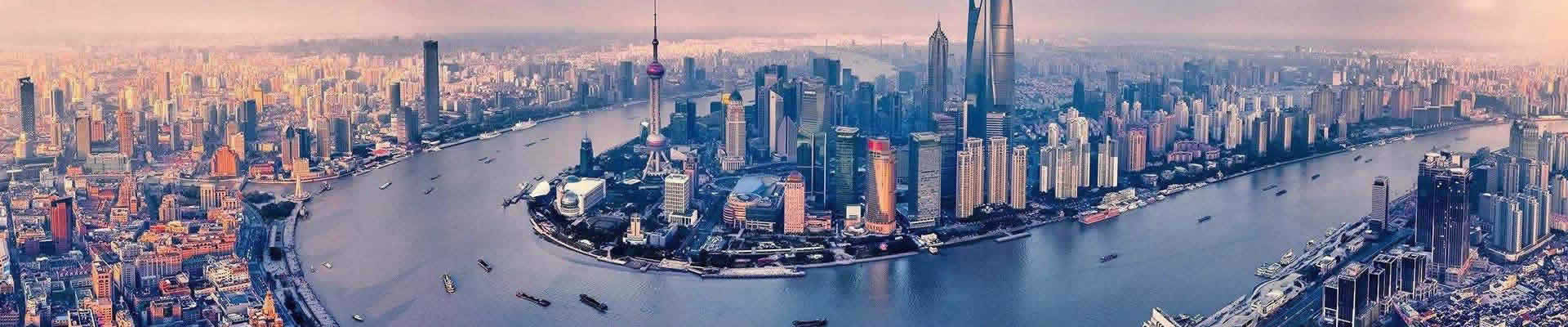
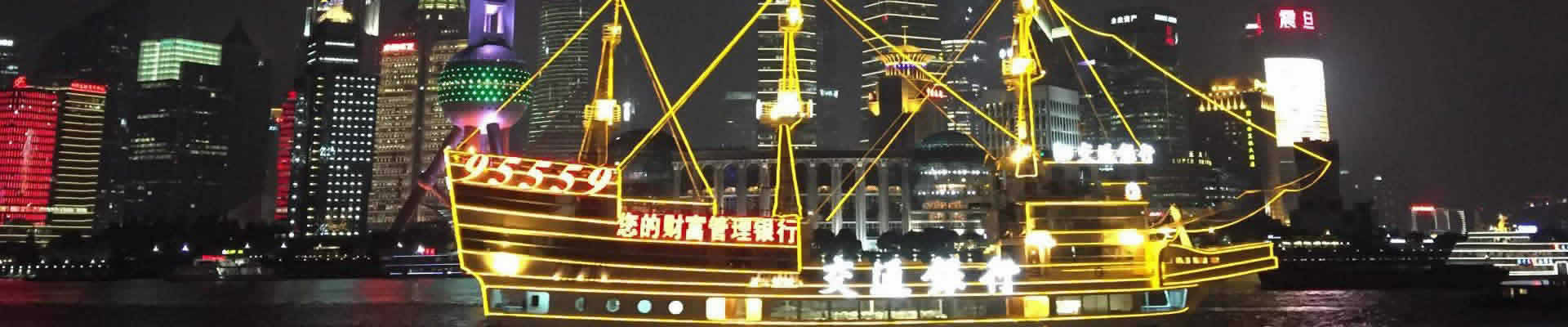

Planning to travel to Shanghai? This dynamic metropolis, often hailed as the “Pearl of the Orient,” seamlessly weaves ancient traditions (like its 700-year-old Yu Garden) with cutting-edge modernity (such as the 632-meter Shanghai Tower). Navigating its bustling streets, diverse neighborhoods, and layered culture can feel daunting without a roadmap—but this comprehensive Shanghai travel guide is here to help. Whether you’re a first-time visitor eager to tick off iconic spots or a seasoned traveler seeking hidden local gems, we’ve covered every angle: from timing your trip to cultural etiquette, budget hacks to after-dark adventures. By the end, you’ll have all the Shanghai travel tips you need to turn your journey to Shanghai into an unforgettable experience.
 Luxurious Getaway: Comfortable Business-Class High-Speed Train Day Trip from Shanghai to Hangzhou
 Enchanting Hangzhou Tour from Shanghai: Two-Day Exploration of Scenic Beauty and Culture
Visa & Entry Requirements: Start Your Shanghai Travel Right
Before booking your flights for Shanghai tourism or Shanghai vacation, ensuring you have the correct visa and documents is crucial. This section breaks down the entry requirements for international travelers, so you can avoid last-minute hassles.
1. Visa Types for Shanghai Travel
Most foreign travelers need a Chinese Tourist Visa (L Visa) to enter Shanghai for tourism or vacation purposes. Here’s what you need to know:
· Eligibility: Available to travelers visiting China for sightseeing, family visits, or short-term cultural exchanges (not for work or study).
· Application Process: Apply at the Chinese Embassy or Consulate in your home country. You’ll need to submit a completed visa application form, a valid passport (with at least 6 months of validity remaining and 2 blank pages), a recent passport-sized photo, and proof of travel arrangements (round-trip flight tickets, hotel bookings for your Shanghai vacation).
· Processing Time: Typically 4–5 business days; expedited service (2–3 days) is available for an extra fee.
· Validity & Duration: Usually 30–90 days from the date of issue, with a stay duration of 15–30 days per entry (varies by nationality).
2. Visa Exemptions & Transit Policies
If you’re short on time or only passing through Shanghai, you may qualify for visa-free entry—great news for quick Shanghai travel:
· 72-Hour/144-Hour Transit Visa Exemption: Citizens of 53 countries (including the US, UK, Australia, Canada, Japan, South Korea, and most EU countries) can stay in Shanghai (and the Yangtze River Delta region, including Suzhou and Hangzhou) for 72 or 144 hours without a visa, provided they have a valid passport, a confirmed onward flight/train ticket to a third country/region, and proof of transit.
· Visa-Free Tourist Groups: Travelers from certain countries (e.g., Russia, Singapore, Malaysia) can join organized tourist groups approved by the Chinese government and visit Shanghai without a visa for up to 15 days.
3. Essential Documents for Entry
Don’t forget to bring these documents with you to avoid delays at the airport:
· Valid passport (with visa, if required).
· Round-trip flight tickets or onward travel documents.
· Hotel booking confirmations for your Shanghai vacation (print a physical copy, as some immigration officers may ask to see it).
· Travel insurance policy (recommended, as it covers medical expenses and trip cancellations).
· Proof of sufficient funds (e.g., bank statements, credit cards) to cover your stay in Shanghai (usually $50–$100 per day per person).
Best Time to Visit Shanghai: Maximize Your Travel Experience
Shanghai’s climate varies dramatically by season, and choosing the right time for your Shanghai travel or Shanghai vacation can make a huge difference in your experience. Here’s a detailed breakdown of each season, including weather, crowds, and seasonal highlights for Shanghai tourism.
1. Spring (March–May): The Golden Season for Shanghai Travel
Spring is widely regarded as the best time to visit Shanghai for tourism and vacation. Here’s why:
· Weather: Mild and pleasant, with temperatures ranging from 12°C to 25°C (54°F to 77°F). The air is fresh, and rainfall is moderate (occasional light showers).
· Crowd Levels & Peak Periods: Overall crowds are moderate, making it easy to visit attractions without long waits.
The peak periods to avoid are:
*May Day Holiday (May 1–5), when popular spots like the Bund, Shanghai Disneyland, and Yu Garden see a sharp increase in visitors (crowd density reaches 80%-90% of maximum capacity).
*Weekend afternoons (13:00–17:00), especially in scenic areas such as the French Concession and Gucun Park. Weekdays (Monday to Thursday) are the best time to travel with the least crowds.
· Seasonal Scenery & Must-Visit Spots: Spring in Shanghai is a "flower viewing season" with diverse landscapes.
Key highlights include:
*Cherry blossoms: Gucun Park (the largest cherry blossom viewing spot in Shanghai, with over 10,000 cherry trees in full bloom from late March to early April), Tongji University (cherry blossom-lined roads with a scholarly atmosphere), and Century Park (cherry blossoms paired with lake views).
*Azaleas: Huangpu River Bund Promenade and Xujiahui Park, where azaleas of various colors bloom along the banks and in the park.
*Other flowers: Peach blossoms in Nanhui Peach Blossom Village (early to mid-March), rapeseed flowers in Chongming Island (late March to early April).
*Featured activities: Shanghai International Flower Show (held at Century Park every April, showcasing thousands of varieties of flowers from home and abroad).
· Packing Guide: Focus on light and layered clothing to adapt to temperature changes.
*Upper wear: Light jackets, long-sleeved shirts, thin sweaters (for cool mornings and evenings); short-sleeved T-shirts (for warm afternoons).
*Lower wear: Casual pants, jeans, or knee-length skirts (paired with stockings for cool days).
*Necessities: Foldable umbrella (to cope with sudden showers), comfortable walking shoes (suitable for flower viewing and walking tours), sunscreen (SPF 30+ for outdoor activities), and a light scarf (for wind protection and matching).
· Transportation Status: Public transportation operates smoothly overall.
*Metro: No significant congestion except during morning and evening rush hours (7:30–9:30 AM, 5:30–7:30 PM) on Line 2 (connecting Pudong Airport, Lujiazui, and the Bund) and Line 10 (passing through Yu Garden and Tianzifang).
*Roads: Traffic jams may occur near scenic areas during peak periods (e.g., around Gucun Park on weekends), so it is recommended to take the metro instead of taxis or private cars.
*Inter-city travel: Spring is a good time for day trips to Suzhou and Hangzhou. High-speed trains from Hongqiao Railway Station run frequently, with a travel time of 30-60 minutes, and tickets are easy to buy (book 1-2 days in advance on weekends).
2. Summer (June–August): Hot & Humid, but Great for Nightlife
Summer is Shanghai’s peak tourist season for families (due to school holidays), but it’s also the hottest and most humid time of the year. Here’s what to expect:
· Weather: Sweltering and humid, with average temperatures between 25°C and 35°C (77°F to 95°F). Afternoon thunderstorms are common, and typhoons may occur (usually in July–August), which can disrupt travel plans (flights delayed, outdoor attractions closed).
· Crowd Levels & Peak Periods: Overall crowds are very high, as it’s the peak tourist season for families (due to summer vacations worldwide).
Peak periods to avoid:
*Summer vacation (mid-July to late August), when Shanghai Disneyland, Yu Garden, and water parks (Happy Valley Water Park, Chimelong Ocean Kingdom) are overcrowded (crowd density reaches 90%-100% of maximum capacity).
*Weekend afternoons (12:00–18:00), especially at outdoor attractions and shopping malls.
*Afternoon thunderstorms, when crowds gather in indoor spaces (malls, museums) suddenly. Early mornings (8:00–10:00) and evenings (19:00–22:00) are the best times to travel.
· Seasonal Scenery & Must-Visit Spots: Summer in Shanghai is all about "cool fun" and vibrant nights.
Key highlights include:
*Night markets: Wujiang Road Night Market (the most famous, with various street foods), Xintiandi Night Bazaar (blending fashion and food), and Qibao Ancient Town Night Market (traditional water town night view).
*Rooftop bars: Flair Rooftop Bar (on the 58th floor of Ritz-Carlton Pudong, with panoramic skyline views), Sir Elly’s Rooftop Bar (colonial-style, with Bund views).
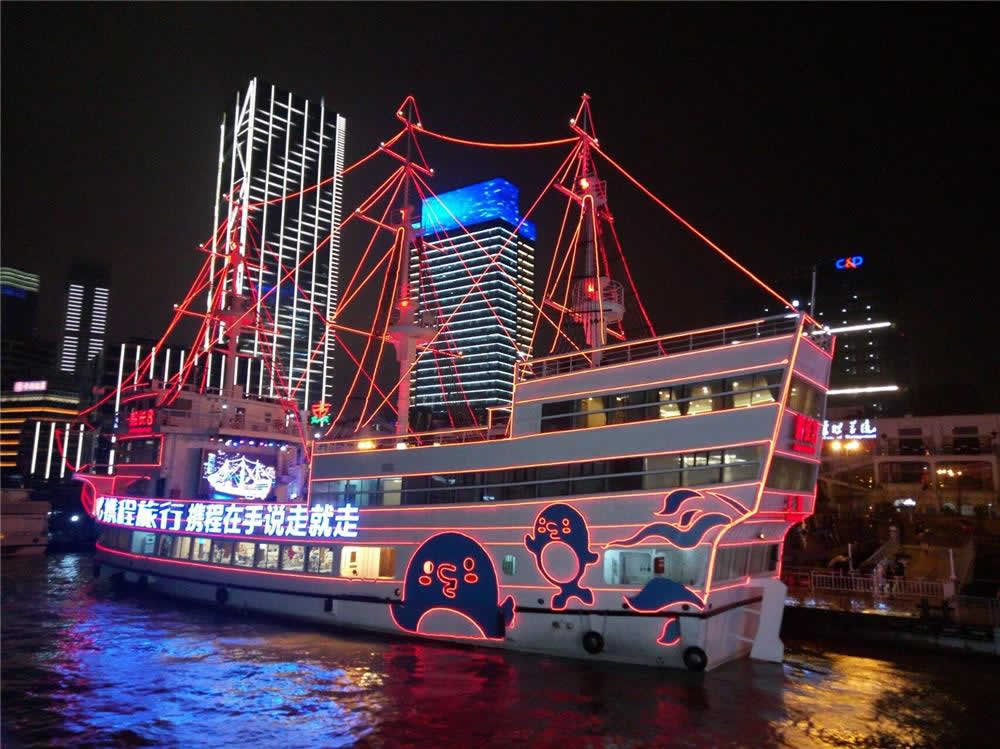
*Water-related activities: Happy Valley Water Park (thrilling water slides), Huangpu River night cruises (cool breeze and night views of both banks), and Chongming Island Water Town (enjoying lotus flowers in July–August).
*Featured activities: Shanghai International Film Festival (early June, a grand event for movie lovers), and summer music festivals (e.g., Strawberry Music Festival, held in suburban venues).
· Packing Guide: Focus on cool, breathable, and moisture-wicking clothing to cope with the heat and humidity.
*Upper wear: Short-sleeved T-shirts, tank tops, lightweight shirts (linen or cotton fabric recommended).
*Lower wear: Shorts, casual pants, or skirts (avoid heavy fabrics).
*Necessities: High SPF sunscreen (SPF 50+), sunhat, sunglasses, portable fan or small electric fan, foldable umbrella (for both sun and rain), moisture-wicking socks, and comfortable sandals (breathable) or sneakers.
*Additional items: Heatstroke prevention medicine (e.g., Huoxiang Zhengqi Water), facial mist, and a reusable water bottle (stay hydrated at all times).
· Transportation Status: Public transportation operates smoothly overall, but heat and thunderstorms can affect travel.
*Metro: No significant congestion except during morning and evening rush hours (7:30–9:30 AM, 5:30–7:30 PM) on Line 2 (Pudong Airport to downtown), Line 10 (tourist areas), and Line 11 (Happy Valley); air conditioning is available on all metro trains (set to 24-26°C).
*Roads: Traffic jams are common during rush hours and after thunderstorms; taxis and ride-hailing services may be hard to hail during peak periods.
*Special notes: Typhoon warnings (Level 1-4) may suspend public transportation and close highways—pay attention to weather forecasts and official announcements in advance.
3. Autumn (September–November): Another Golden Season for Shanghai Vacation
Autumn is equally popular for Shanghai travel and tourism, thanks to its cool weather and vibrant fall foliage. Here’s what you need to know:
· Weather: Crisp and dry, with temperatures between 10°C and 22°C (50°F to 72°F). Clear skies are common, making it ideal for outdoor activities and photography.
· Crowd Levels & Peak Periods: Overall crowds are moderate to high, with significant fluctuations due to holidays.
Peak periods to avoid are:
*National Day Holiday (October 1–7), the busiest travel period of the year, when popular attractions such as the Bund, Yu Garden, and Shanghai Disneyland are overcrowded (crowd density reaches 90%-100% of maximum capacity), and hotel prices soar by 50%-100%.
*Weekend afternoons (12:00–17:00), especially in fall foliage viewing spots like Xujiahui Park and Gongqing Forest Park.
*Mid-autumn Festival (lunar August 15th, usually in September or early October), when family outings increase, leading to crowded parks and scenic areas. Weekdays (Monday to Thursday) are the best time to travel, with fewer crowds and more comfortable visiting experience.
· Seasonal Scenery & Must-Visit Spots: Autumn in Shanghai is a "colorful season" with charming fall foliage and rich cultural activities.
Key highlights include:
*Fall foliage viewing: Xujiahui Park (ginkgo trees and plane trees turn golden, creating a romantic atmosphere), French Concession (Wukang Road, Anfu Road, with sycamore trees lining the streets, the ground covered with fallen leaves like a golden carpet), Century Park (maple trees and metasequoia turn red and yellow, matching the lake view), Gongqing Forest Park (the largest urban forest park, with diverse autumn leaves and suitable for picnics).
*Cultural events: Shanghai Tourism Festival (early September to late September, with grand parades on Nanjing Road, float shows, and free or discounted tickets for many attractions), Shanghai International Arts Festival (late October to early November, featuring international performances, exhibitions and other activities).
*Other highlights: Mid-autumn Festival lantern shows (Yu Garden and Xintiandi, with traditional lanterns and modern light shows), outdoor camping in suburban areas (Chongming Island, Sheshan National Forest Park, enjoying the cool autumn breeze and starry sky).
· Packing Guide: Focus on layered clothing to adapt to the obvious day and night temperature difference.
*Upper wear: Short-sleeved T-shirts, long-sleeved shirts (for afternoons), thin sweaters, light jackets or windbreakers (for mornings and evenings).
*Lower wear: Casual pants, jeans, or long skirts (paired with stockings for cool days).
*Necessities: Sunscreen (SPF 30+, as the autumn sun is still strong), moisturizer (to cope with dry air), comfortable walking shoes (suitable for foliage viewing and long walks), a lightweight scarf (for warmth and matching), and a foldable umbrella (to cope with occasional light rains).
· Transportation Status: Public transportation operates smoothly overall, with stable travel conditions.
*Metro: No significant congestion except during morning and evening rush hours (7:30–9:30 AM, 5:30–7:30 PM) on Line 2 (Lujiazui, Bund), Line 10 (Yu Garden, Xintiandi) and Line 8 (Gongqing Forest Park).
*Roads: Traffic jams may occur near popular scenic areas and shopping malls during weekends and holidays (e.g., around Xujiahui Park, Nanjing Road), so it is recommended to take the metro.
*Inter-city travel: Autumn is an excellent time for day trips to Suzhou (humble administrator's garden, lingering garden with autumn chrysanthemums), Hangzhou (West Lake with autumn osmanthus fragrance) and Wuxi (Taihu Lake). High-speed trains from Hongqiao Railway Station run frequently, with a travel time of 30-90 minutes, and it is recommended to book tickets 3-7 days in advance during National Day.
4. Winter (December–February): Cold & Quiet, with Festive Charm
Winter is the low season for Shanghai tourism and travel, offers a tranquil sightseeing atmosphere, a strong festive ambiance, and distinctive winter experiences—despite the lower temperatures—making it a preferred choice for niche travelers. Below are key considerations and additional details for winter travel to help ensure a smooth and enjoyable Shanghai winter journey.
· Weather & Climate: Cold, damp and windy, with average temperatures ranging from 0°C (32°F) to 10°C (50°F). The lowest temperature can drop to -5°C (23°F) on cold days, and the high humidity (70%-85%) makes the cold feel piercing (known as "damp cold" which penetrates clothes easily).
· Crowd Levels & Peak Periods: Overall crowds are low to moderate, making it easy to visit attractions without long waits.
Peak periods to avoid are:
*Chinese New Year (Spring Festival, usually late January to early February), when millions of locals travel home, leading to crowded airports/train stations, and some small shops, local eateries and street stalls close (about 30%-40% of small businesses are closed); popular attractions like the Bund and Yu Garden may still have moderate crowds due to domestic tourists.
*Christmas Eve (December 24) and New Year’s Eve (December 31), when the Bund, Nanjing Road, and Xintiandi are crowded with people celebrating (crowd density reaches 70%-80% of maximum capacity).
*Weekend afternoons (13:00–17:00) at indoor attractions (Shanghai Museum, Shanghai Science and Technology Museum) and shopping malls (IFC Mall, Nanjing Road Pedestrian Street). Weekdays (Monday to Thursday) are the best time to travel with the least crowds.
· Seasonal Scenery & Must-Visit Spots: Winter in Shanghai is a "festive and cozy season" with unique charm.
Key highlights include:
*Holiday lights: The Bund and Lujiazui (December–February) are decorated with colorful lights and lanterns, and the buildings are lit up at night, creating a romantic festive atmosphere; Nanjing Road Pedestrian Street and Xintiandi also have Christmas trees and holiday decorations from late December to early January.
*Spring Festival lantern shows: Yu Garden and Xintiandi (during Spring Festival) hold grand lantern shows, with traditional red lanterns, zodiac-themed lanterns (2026 is the Year of the Horse, so horse-shaped lanterns will be the highlight) and modern light shows, which are very lively.
*Indoor attractions: Shanghai Museum (avoid the cold and appreciate cultural relics), Shanghai Science and Technology Museum (suitable for families with children), Shanghai Ocean Aquarium (watch marine life in a warm environment); indoor ski resorts (e.g., Qibao Snow World) are perfect for experiencing snow fun in the city.
*Special activities: Shanghai New Year Countdown Party (December 31, held on the Bund or Lujiazui, with fireworks shows and performances), Spring Festival temple fairs (Yu Garden and City God Temple, with traditional folk performances, snack stalls and souvenir shops).
· Packing Guide: Focus on warm, windproof and moisture-proof clothing to cope with the damp cold.
*Upper wear: Thermal underwear, thick sweaters, down jackets or heavy wool coats (preferably windproof and waterproof), and a thin down vest (for layering).
*Lower wear: Thermal pants, thick jeans or woolen pants (avoid thin fabrics).
*Necessities: Warm scarves, gloves (preferably waterproof), hats (cover ears), non-slip warm shoes or snow boots (the ground may be slippery on rainy days).
*Additional items: Hand warmers (disposable or rechargeable), lip balm and moisturizer (to cope with dry air), umbrellas (for light rain or snow), and a small blanket (for cold nights or long trips).
· Transportation Status: Public transportation operates normally overall, but cold and rainy/snowy weather may affect travel.
*Metro: Runs smoothly with no significant congestion (except during peak hours before and after Spring Festival); all metro trains are equipped with heating (set to 22-24°C), which is very warm.
*Roads: Rainy and snowy days may cause slippery roads and traffic jams, especially in the morning and evening rush hours (7:30–9:30 AM, 5:30–7:30 PM); taxis and ride-hailing services are in high demand during Spring Festival, so it is recommended to book in advance.
*Airports and railway stations: Crowded during the Spring Festival travel rush (one of the largest human migrations in the world), so arrive at the airport/railway station at least 2-3 hours in advance for check-in and security checks.
Getting Around Shanghai: Navigate Like a Local
Shanghai has one of the most advanced transportation networks in Asia, but its sheer size can be overwhelming for first-time travelers. This section covers all transportation options for your Shanghai travel, from airports to local transit, to help you save time and money.
1. Airport Transfers: From PVG/Hongqiao to Downtown
Shanghai has two major airports: Pudong International Airport (PVG) and Hongqiao International Airport (SHA). Here’s how to get to downtown Shanghai from each airport for your vacation or tourism trip:
Pudong International Airport (PVG)
As Shanghai’s main international gateway, Pudong International Airport (PVG) is one of the busiest airports in Asia, serving millions of travelers annually for Shanghai travel and vacation.
· Basic Overview & Terminal Layout: PVG has 4 terminals in total, including Terminal 1 (T1), Terminal 2 (T2), Satellite Terminal 1 (S1), and Satellite Terminal 2 (S2). T1 mainly serves domestic and some international flights (e.g., Air China, China Eastern domestic routes); T2 focuses on international flights (covering major airlines from Europe, America, Asia, etc., such as Emirates, Delta, Japan Airlines) and some domestic premium routes. S1 and S2 are connected to T1 and T2 via shuttle trains (5-minute ride), mainly undertaking boarding tasks for international and regional flights. The airport is equipped with clear signages in both Chinese and English, and free shuttle buses run between terminals (operating every 15-20 minutes, 24 hours a day).
· Arrival & Entry Process Optimization: After landing, international travelers will go through immigration inspection first (with dedicated channels for visa holders, visa-free transit passengers, and fast-track services for premium class passengers). It is recommended to prepare valid passports, visas (if required), entry cards (can be filled out online in advance via the "Shanghai Airport" official app), and supporting documents (hotel bookings, round-trip tickets) to speed up the process. After immigration, pick up luggage at the designated carousel (luggage information is displayed on electronic screens), and then go through customs inspection (green channel for no declaration, red channel for declaration of dutiable items such as valuables and food).
· Transportation Connections to Downtown & Surroundings:
1. Metro: Line 2 (Airport Line) connects PVG to downtown Shanghai, with the terminal station at East Nanjing Road (passing through Lujiazui, People’s Square, etc.). The journey takes about 60-90 minutes, and the fare is ¥8-10. Trains run from 6:00 AM to 10:45 PM; for late-night arrivals, take the airport bus or taxi.
2. Airport Bus:
1. Shanghai city center routes
(1) Pudong Airport to People's Square: Operating hours are 07:00 - 23:00 from Pudong Airport and 06:00 - 22:00 from People's Square. During peak hours (07:00 - 09:00, 17:00 - 19:00), buses depart every 15 minutes; during off-peak hours, every 20-30 minutes. Stops include Dongfang Road Zhangyang Road, Century Avenue Metro Station, and People's Square (Wusheng Road).
(2) Pudong Airport to Hongqiao Transportation Hub: Operating hours are 07:00 - 23:00 from Pudong Airport and 06:00 - 22:00 from Hongqiao Transportation Hub. Buses depart every 30 minutes, with a journey time of approximately 90 minutes. Stops include Hongqiao Airport Terminal 2 and Hongqiao Railway Station.
(3) Pudong Airport to Shanghai South Railway Station: Operating hours are 07:00 - 23:00 from Pudong Airport and 06:00 - 22:00 from Shanghai South Railway Station. Buses depart every 20-30 minutes, with a journey time of approximately 60 minutes. Stops include Longyang Road Metro Station and Shanghai South Railway Station South Square.
2. Yangtze River Delta City Routes
(1) Pudong Airport to Suzhou: Operating hours are 08:30 - 21:30 from Pudong Airport and 05:30 - 19:30 from Suzhou. Buses depart every 60 minutes, stopping at Ganjiang West Road and Suzhou Railway Station North Square. The fare is approximately 80 RMB per person.
(2) Pudong Airport to Hangzhou: Operating hours are 09:00 - 20:00 from Pudong Airport and 06:00 - 18:00 from Hangzhou. Buses depart every 45-60 minutes, stopping at Wulinmen and Hangzhou East Station. The fare is approximately 100 RMB per person.
(3) Pudong Airport to Nanjing: Operating hours are 08:00 - 20:00 from Pudong Airport and 05:00 - 17:00 from Nanjing. Buses depart every 90 minutes, stopping at Nanjing Central Gate and Nanjing South Station.
3. Important Reminders
(1) For real-time schedules, please check the "Pudong Airport Official Website" or the "Airport Shuttle Bus App" to avoid delays due to temporary schedule changes.
(2) Some routes cease operation at night (after 2:00 AM). Alternatively, you can take Metro Line 2 (last train at 10:00 PM) or use a ride-hailing service.
(3) For inter-provincial routes, please arrive at the waiting area one hour in advance and bring valid identification documents.
3. Taxi & Ride-Hailing: The taxi waiting area is located outside the arrival hall Exit 2 and Exit 4. The fare from PVG to downtown (e.g., the Bund, People’s Square) is about ¥150-200, and the journey takes 40-60 minutes (depending on traffic). Ride-hailing apps (Didi, Amap) are also available; the pickup point is designated by the app, and it is recommended to confirm the location with the driver in advance.
4. High-Speed Rail & Long-Distance Bus: The airport has a high-speed rail station (Pudong Airport Station) connected to the Shanghai-Suzhou-Nantong High-Speed Railway, with direct trains to Suzhou, Nantong, etc. The long-distance bus station is located near T2, with routes to neighboring cities such as Hangzhou, Ningbo, and Wuxi.
· Airport Services & Facilities:
*VIP Lounges: There are more than 30 VIP lounges in the airport, including airline lounges (e.g., China Eastern Airlines Lounge, Cathay Pacific Lounge) and paid lounges (e.g., Plaza Premium Lounge). Passengers with first-class/business class tickets, airline elite memberships, or certain credit cards can use the lounges for free, which provide services such as catering, rest areas, and business facilities.
*Luggage Services: Luggage storage is available in T1 (Arrival Hall B1) and T2 (Arrival Hall B1), with fees ranging from ¥20-80 per item per day (depending on luggage size). Luggage wrapping services are also provided near the check-in counters (¥30-50 per item) to prevent damage.
*Currency Exchange & Payment: Currency exchange counters (Bank of China, Industrial and Commercial Bank of China) are located in the arrival and departure halls, supporting major currencies such as USD, EUR, JPY, and GBP. ATMs are widely available, and most accept international credit cards (Visa, Mastercard). Mobile payment (Alipay, WeChat Pay) is accepted in airport restaurants, shops, and service counters.
*Other Practical Facilities: 24-hour medical service centers (T1 and T2), mother-and-baby rooms (every terminal floor), free Wi-Fi (connect to "PVG-Free-WiFi" and verify via mobile phone number), charging stations (in waiting areas and boarding gates), and duty-free shops (in the international departure hall, selling cosmetics, perfumes, alcohol, tobacco, and luxury goods).
*Emergency & Special Services: For lost items, contact the airport lost and found office (T1: +86-21-68346324; T2: +86-21-68340096). For travelers with reduced mobility (e.g., the elderly, disabled), wheelchair services can be reserved in advance through the airline or the airport service hotline (+86-21-96990). There are also dedicated channels for unaccompanied minors and pet transportation services (subject to airline regulations).
Hongqiao International Airport (SHA)
As Shanghai’s core domestic and regional aviation hub, Hongqiao International Airport (SHA) is strategically located in the western part of the city, adjacent to Hongqiao Railway Station. It is renowned for its convenient transportation connections and efficient travel experience, serving tens of millions of travelers annually for Shanghai travel, vacation, and business trips.
· Basic Overview & Terminal Layout: SHA is a key aviation hub focusing on domestic and short-haul international/regional routes, with two terminals (T1 and T2) and no satellite terminals.
*The functional division is clear: T1 mainly undertakes international and regional flights, with airlines such as China Eastern Airlines, China Southern Airlines, Air Asia, and Tigerair settling in; T2 is dedicated to domestic flights, undertaking domestic routes of major airlines including China Eastern Airlines, Shanghai Airlines, Air China, and Hainan Airlines.
*The airport is equipped with clear Chinese and English signs throughout, and there are two convenient transfer methods between T1 and T2:
- Free shuttle bus: 24-hour operation, 10-15 minutes per trip during peak hours (7:00-9:00 AM, 5:00-7:00 PM), 20-30 minutes per trip during off-peak hours, with boarding points at Exit 6 of T1 Arrival Hall and Exit 10 of T2 Arrival Hall;
- Underground passage: Directly connecting the two terminals, about 10-15 minutes on foot, suitable for travelers with light luggage.
· Arrival & Entry Process Optimization: For international travelers arriving at T1, the entry process is streamlined into four steps: first, follow the signs to the immigration inspection area after landing, with dedicated channels for visa holders, 72-hour/144-hour transit visa-free passengers, and fast-track channels for premium class passengers and airline elites. Second, prepare valid documents in advance, including passport, visa (if required), pre-filled entry card (can be completed online via the "Shanghai Airport" official app/WeChat mini-program), hotel booking confirmation, and round-trip/onward travel documents. Third, pick up luggage at the designated carousel after passing immigration, with real-time luggage information displayed on electronic screens. Finally, go through customs inspection: take the green channel for no declaration, and the red channel for dutiable items (valuables over ¥5,000, fresh food, etc.). Tips: Avoid peak arrival hours (10:00 AM-12:00 PM, 2:00 PM-4:00 PM) to save time.
· Transportation Connections to Downtown & Surroundings:
SHA boasts the most convenient transportation links in Shanghai, with multiple options to meet diverse needs:
1. Metro: The most recommended choice for tourists, with Line 2 and Line 10 connecting to the city center. Line 2 departs from Hongqiao Airport Terminal 2 Station, passing through People’s Square and Lujiazui, taking 30-45 minutes to the city center (People’s Square) with a fare of ¥5-7; Line 10 links to Xintiandi and Yu Garden, taking 25-35 minutes to Xintiandi, operating from 5:30 AM to 11:30 PM.
2. Airport Bus: 8+ routes covering Nanjing Road, Xujiahui, etc., 24-hour operation, fare ¥10-25.
- Hongqiao Airport provides a free shuttle bus service connecting Terminals 1 and 2 to assist passengers who have gone to the wrong terminal.
Terminal 1: P2 Bus Area
First bus: 06:00
Last bus: 22:30
Frequency: Every 30 minutes
Terminal 2: Gate 1, Arrivals Level
First bus: 06:00
Last bus: 23:00
Frequency: Every 30 minutes
T1 Terminal to Luopu Bridge
Route: Hongqiao Airport T1 – Luopu Bridge (Luban Road, Longhua East Road)
Towards Luopu Bridge: First bus 06:00, Last bus 23:00
Towards Hongqiao Airport T1: First bus 06:00, Last bus 21:30
Contact number: 021-22346541
Fare information: Multi-stage fare, fare range 2-5 yuan
807
Route: Hongqiao Airport T1 to Qingjian New Village
Towards Qingjian New Village: First bus 05:30, Last bus 23:00
Towards Hongqiao Airport T1: First bus 05:30, Last bus 22:30
Contact number: 021-52757553
Fare information: Single fare, 2 RMB
1207
Konggang 7th Road to Shanghai Zoo
Outbound: First bus 06:00, Last bus 20:00
Inbound: First bus 06:30, Last bus 20:30
Contact number: 021-62688177
Fare: Single fare 1 RMB
pecial Note: Buses to Terminal 2 operate on a "one-stop, separate arrival and departure" model. After entering the airport, buses will stop at the departure level for passenger drop-off; passengers leaving the terminal should wait at the bus stop on the first floor of the transportation center. This stop is located on the first floor of the East Transportation Center.
3. Taxi & Ride-Hailing: Taxi waiting areas at Exit 3 of T1 and Exit 6 of T2, fare ¥50-100 to the city center, journey 20-40 minutes; Didi and Amap are widely used with clear pickup points.
4. High-Speed Rail Connection: Adjacent to Hongqiao Railway Station, accessible via Metro Line 2 or free shuttle bus (5-minute ride), facilitating inter-city travel to Suzhou, Hangzhou, etc.
· Airport Services & Facilities: Comprehensive facilities are available to meet travelers’ needs:
*Luggage Services: Luggage storage at T1 (Arrival Hall B1, near Exit 6) and T2 (Arrival Hall B1, near Exit 10), fare ¥20-80 per item per day; luggage wrapping near check-in counters, ¥30-50 per item.
*Currency Exchange & Payment: Bank of China and ICBC exchange counters in arrival/departure halls (supporting USD, EUR, etc.); ATMs accepting international credit cards (Visa, Mastercard); Alipay and WeChat Pay accepted in most venues, with international card binding available for foreigners.
*Medical & Maternal-Child Services: 24-hour medical centers at T1/T2 Departure Hall 3F; mother-and-baby rooms on each floor (equipped with nursing beds, changing tables).
*Other Facilities: Free Wi-Fi ("SHA-Free-WiFi" via mobile verification), charging stations, T1 international departure duty-free shops (cosmetics, alcohol, etc.), and VIP lounges (catering, rest, business services).
· Emergency & Special Services:
*Lost Luggage: Contact lost and found (T1: 021-22344553 ; T2: 021-22381086) or airline counter with flight and luggage details.
*Missed Flights: Go to the airline’s departure counter immediately for ticket changes/rescheduling (possible additional fees); arrive 2-3 hours early for domestic flights, 3-4 hours for international flights.
*Special Assistance: Wheelchair services reserved via airline or hotline (+86-21-96990) 24 hours in advance; unaccompanied minor registration at airline counters; pet transportation subject to airline and quarantine regulations.
· Dining & Shopping Options:
*Dining: Local snacks (Din Tai Fung xiaolongbao at T2 Departure Hall 3F, Yang’s Shengjian at T1 Arrival Hall 1F, osmanthus cake at T2 pastry shops), international fast food (KFC, McDonald’s), and Chinese restaurants (Sichuan, Cantonese cuisine).
*Shopping: T1 international departure duty-free shops (luxury goods, perfumes), boutiques, and convenience stores (7-Eleven, Family Mart) in arrival/departure halls. The departure hall offers more options, so arrive early to browse and taste.
2. Local Transit: Metro, Buses, Taxis, & Bikes
Once you’re in downtown Shanghai, these local transit options will help you explore the city efficiently during your travel and tourism trip:
Metro: The Backbone of Shanghai Travel
Shanghai’s metro system has 20+ lines, covering all major attractions, shopping areas, and residential districts. It’s fast, affordable, and reliable—perfect for daily travel:
Line 2: (Green Line)
· Introduction: The east-west artery through Shanghai's core, connecting the two major air/rail gateways (Pudong International Airport and Hongqiao Airport/Railway Station) with top landmarks like Lujiazui, Nanjing Road, and Jing'an Temple.
· Operating Hours: Approximately 05:30-23:30 (Trains to Pudong Airport end earlier, departing from Guanglan Road around 22:30-22:50. Pay attention!).
· Fare: 3-10 RMB. Airport sections cost more (e.g., Guanglan Road to Pudong Airport is 8 RMB).
· Key Transfer Stations:
*People's Square (to Line 1, 8)
*Jing'an Temple (to Line 7, 14): Commercial and historic area.
*Century Avenue (to Line 4, 6, 9): Major 4-line transfer hub in Pudong.
*Longyang Road (to Line 7, 16, 18, Maglev Train): Transfer to Maglev for Pudong Airport.
· Major Attractions/Areas Along the Line:
*Hongqiao Airport T2 / Hongqiao Railway Station: Air-rail interchange hub.
*Zhongshan Park: Commercial area and park.
*Jing'an Temple: Jing'an Temple, Jing'an Kerry Centre, Jiuguang Department Store.
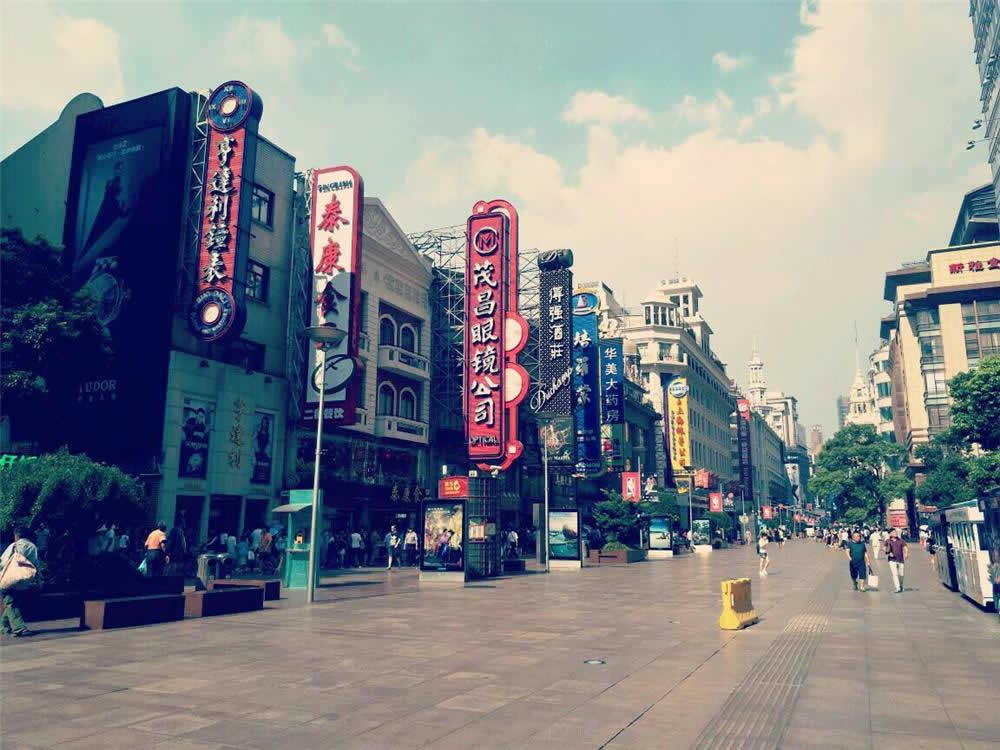
*West Nanjing Road / East Nanjing Road: Plaza 66, Wujiang Road Pedestrian Street, Nanjing Road Pedestrian Street (China's most famous shopping street).
*Lujiazui: Oriental Pearl Tower, Jinmao Tower, Shanghai Tower, Shanghai World Financial Center, Pudong Art Museum, Binjiang Avenue.
*Shanghai Science & Technology Museum: Shanghai Science & Technology Museum, Century Park.
*Pudong International Airport: Main international flight hub.
· Tourist Tip: One of the busiest lines. When going to Pudong Airport, confirm the train's final destination is "Pudong International Airport" (some trains terminate at Guanglan Road, requiring a same-platform transfer). At Lujiazui Station, Exit 1 leads to the Oriental Pearl Tower, Exit 2 leads to Shanghai Tower/SWFC.
Line 1 (Red Line)
· Introduction: The first metro line in Shanghai, this north-south artery connects key hubs and commercial districts like Shanghai Railway Station, People's Square, and Xujiahui. Essential for tourists.
· Operating Hours: Approximately 05:30-22:30 (exact times vary by station; check the official app).
· Fare: Distance-based, 3-6 RMB. Pay with Shanghai Public Transportation Card, Metro Daduhui App, or single-journey tickets.
· Key Transfer Stations:
*People's Square (to Line 2, 8): Largest downtown transfer hub.
*Shanghai Railway Station (to Line 3, 4): Connects to railway network.
*Xujiahui (to Line 9, 11): Major commercial area.
*South Shaanxi Road (to Line 10, 12): Near Huaihai Road commercial area.
· Major Attractions/Areas Along the Line:
*Shanghai Railway Station: Railway transport hub.
*People's Square: Shanghai Museum, Shanghai Urban Planning Exhibition Center, People's Park.
*Site of the First CPC National Congress·South Huangpi Road: Site of the First CPC National Congress Memorial, Xintiandi.
*South Shaanxi Road: Huaihai Road shopping street, Moller Villa.
*Xujiahui: St. Ignatius Cathedral, Xujiahui Library, large shopping malls.
*Shanghai Circus World: Shanghai Circus World (ERA Intersection of Time acrobatics show).
· Tourist Tip: Extremely crowded during rush hours, especially the northern section. For People's Square area, choose exits from Lines 1, 2, or 8 flexibly.
Line 14: (Gold/Burnt Orange Line)
· Introduction: A new (opened late 2021) driverless line running east-west through the city center. It connects many attractions like Jing'an Temple, Yuyuan, Lujiazui, and southern Pudong. With spacious carriages and new facilities, it's an efficient new option for tourists.
· Operating Hours: Approximately 05:30-22:30.
· Fare: Distance-based, 3-7 RMB.
· Key Transfer Stations:
*Jing'an Temple (to Line 2, 7)
*Site of the First CPC National Congress·South Huangpi Road (to Line 1)
*Dashijie (to Line 8): Close to Shanghai Museum and People's Square.
*Yuyuan (Future transfer to Line 19; currently walk to Line 10's Yuyuan Station): City God Temple/Yuyuan Garden area.
*Lujiazui (to Line 2)
· Major Attractions/Areas Along the Line:
*Jing'an Temple Station: Jing'an Temple commercial area.
*Site of the First CPC National Congress·South Huangpi Road Station: Xintiandi.
*Yuyuan Station: City God Temple/Yuyuan Garden area (about 10-15 min walk from Exit 1).
*Lujiazui Station: Lujiazui financial district and observation decks.
*South Pudong Road Station: Close to Pudong Art Museum, Binjiang Avenue.
· Tourist Tip: As a new line, stations are modern with clear signage. The carriages have viewing windows at the ends for tunnel views, popular with kids. For Yuyuan Garden, use Exit 1 of Line 14's Yuyuan Station and walk along Fuyou Road. It's a slightly longer walk than from Line 10's station but may be less crowded.
Line 10: (Lavender/Purple Line)
· Introduction: Running in a "U" shape, it connects Hongqiao Transport Hub, downtown historical-cultural areas, and Yangpu District. Its unique route runs alongside elevated roads for city views and links many key cultural attractions.
· Operating Hours: Approximately 05:30-22:30 (Main Line). The branch line (to Hangzhong Road) ends slightly earlier. Check the app for details.
· Fare: Distance-based, 3-7 RMB.
· Key Transfer Stations:
*Hongqiao Airport T2 / Hongqiao Railway Station (to Line 2): Air-rail hub.
*South Shaanxi Road (to Line 1, 12): Huaihai Road commercial area.
*East Nanjing Road (to Line 2): Eastern end of Nanjing Road Pedestrian Street.
*Yuyuan (to Line 14 via walk): City God Temple/Yuyuan Garden area.
*Tiantong Road (to Line 12): Near Suzhou Creek, Postal Museum.
*Siping Road (to Line 8): Access to Tongji University, Lu Xun Park.
*Hailun Road (to Line 4): Near 1933 Old Millfun.
· Major Attractions/Areas Along the Line:
*Shanghai Zoo: Shanghai Zoo (right outside the station).
*Songyuan Road: Soong Ching Ling Cemetery.
*Jiaotong University: Shanghai Jiao Tong University (Xuhui Campus), Qian Xuesen Library.
*Shanghai Library: Shanghai Library (Huaihai Road branch).
*South Shaanxi Road: Huaihai Road shopping street, iapm mall.
*Yuyuan: City God Temple, Yuyuan Garden (Exit 1 is the closest).
*Tiantong Road: Shanghai Postal Museum, Suzhou Creek promenade, classic viewpoint of Lujiazui “Three Giants” near Bulgari Hotel intersection.
*Hailun Road: 1933 Old Millfun (creative park with unique architecture).
*Tongji University: Tongji University campus.
*Wujiaochang: Core commercial center of Yangpu District (a short walk from the station).
· Tourist Tip: Line 10 has a Main Line (to Jilong Road) and a Branch Line (to Hangzhong Road), splitting at Longxi Road Station. Trains from Hongqiao go to both destinations. Always check the train's final destination on platform screens and announcements to avoid taking the wrong train. For Yuyuan Garden, use Exit 1 of Line 10's Yuyuan Station for the closest access.
Line 7: (Orange Line)
· Introduction: A major north-south line running from Baoshan District through Jing'an, Xuhui Districts to southern Pudong New District. It connects several cultural venues, university towns, and residential areas, important for visiting western Shanghai and parts of Pudong.
· Operating Hours: Approximately 05:30-22:30.
· Fare: Distance-based, 3-7 RMB.
· Key Transfer Stations:
*Jing'an Temple (to Line 2, 14): Core commercial area and temple.
*Changshu Road (to Line 1): Near Hengshan-Fuxing Historical Area.
*Dong'an Road (to Line 4): Near Shanghai Stadium, Fudan University Shanghai Cancer Center.
*Longyang Road (to Line 2, 16, 18, Maglev): Major transport hub.
*Huamu Road: Shanghai New International Expo Centre (right outside).
· Major Attractions/Areas Along the Line:
*Gucun Park: Gucun Park (famous cherry blossom spot, extremely crowded in spring).
*Changshou Road: One of Putuo District's commercial centers.
*Jing'an Temple: (See above).
*Changshu Road: Explore Hengshan-Fuxing Historical Cultural Area on foot, visit Zhang Leping's Former Residence, Blackstone Apartments, etc.
*Zhaojiabang Road: Near Yueyang Hospital.
*Houtan: Houtan Wetland Park, near China Art Museum (original China Pavilion) (via walk).
*Changqing Road: Near Expo Source commercial area, Expo Park.
*Yaohua Road: Near China Art Museum, Mercedes-Benz Arena.
*Yuntai Road: Near Shanghai World Expo Exhibition and Convention Center.
*Gaoke Road West: Residential area transfer station.
*Longyang Road: (See above).
*Huamu Road: Shanghai New International Expo Centre (large exhibition complex).
· Tourist Tip: For Gucun Park cherry blossoms, get off at Gucun Park Station. During peak season, crowd control measures are in place; allow plenty of time and follow staff guidance. For China Art Museum, use Exit 4 of Yaohua Road Station for the closest access.
Line 4: (Light Purple Loop Line - Shares tracks with Line 3 on most sections)
· Introduction: Loop Line. The only metro loop line, following Shanghai's Inner Ring Elevated Road, connecting multiple sub-centers, transport hubs, and key attractions. It shares tracks and platforms with Line 3 (an elevated line) on most sections (Baoshan Road to Hongqiao Road).
· Operating Hours: Inner/Outer Loop approximately 05:25-22:35 (some first trains start later). As a loop, pay attention to direction (Inner Loop is clockwise, Outer Loop is counterclockwise).
· Fare: Distance-based, 3-4 RMB. A full loop back to the starting point incurs the maximum fare.
· Key Transfer Stations (All are separate underground stations, not shared with Line 3):
*Shanghai Railway Station (to Line 1, 3): Railway hub.
*Zhongshan Park (to Line 2, 3): Commercial area.
*Century Avenue (to Line 2, 6, 9): Major 4-line transfer hub.
*Pudong Avenue (to Line 14): Access to North Bund, riverfront.
*South Xizang Road (to Line 8): Near World Expo Museum, Power Station of Art.
*Hailun Road (to Line 10): Near 1933 Old Millfun.
*Nanpu Bridge: Transfer to buses or walk onto the bridge for views.
· Major Attractions/Areas Along the Line:
*Shanghai Indoor Stadium: Large sports venues, Shanghai Swimming Center.
*Century Avenue: Extension of Lujiazui financial district.
*Pudong Avenue: North Bund riverfront, Shanghai Shipyard Riverside Greenland, Gongping Road Ferry Pier (to the Bund).
*Yangshupu Road: Yangpu Riverside industrial heritage corridor (e.g., Maomao Warehouse, Yangshupu Waterworks), requires a walk or bike ride from the station.
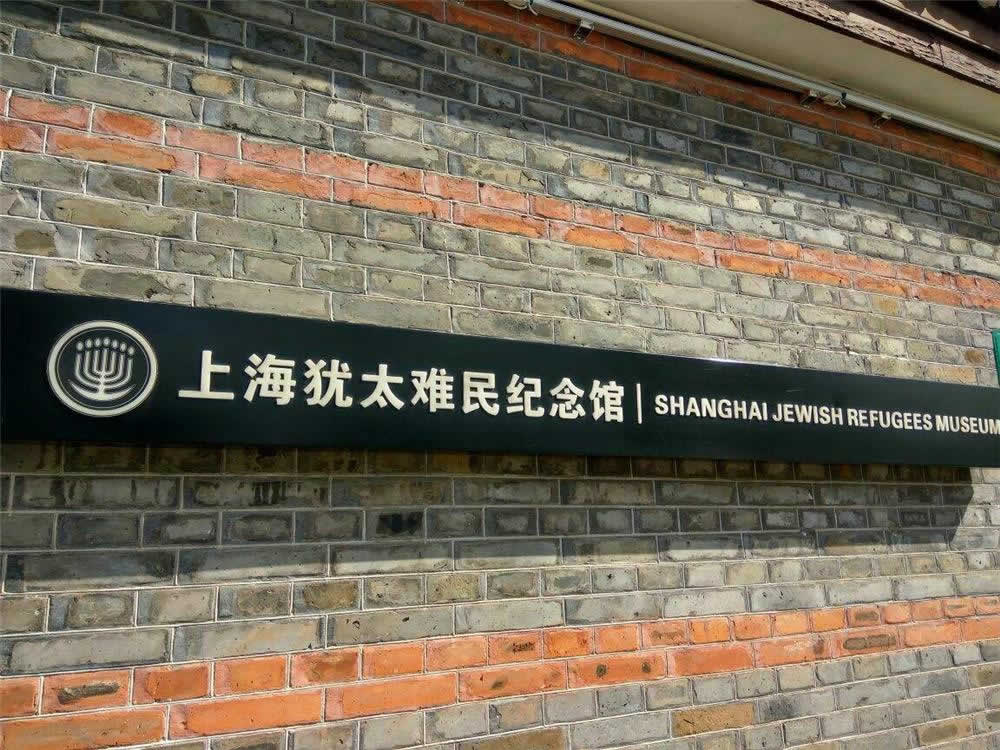
*Linping Road: Ruihong Xincheng commercial area, Shanghai Jewish Refugees Museum (via walk).
*Hailun Road: 1933 Old Millfun.
*South Xizang Road: World Expo Museum (free), Power Station of Art, Shanghai Children's Art Theater.
*Nanpu Bridge: The bridge itself is a landmark and viewpoint.
*Tangqiao: Near Shanghai Museum of Traditional Chinese Medicine.
· Tourist Tip:
*Distinguish from Line 3: This is the most important point! On the shared section (Baoshan Road - Hongqiao Road), Lines 4 and 3 use the same elevated platform and tracks. Always look up at the circular line diagram on the platform (purple for Line 4, yellow for Line 3) and the colored stripe on the train (purple for Line 4 train, yellow for Line 3), or listen to announcements. Line 4's independent stations (e.g., Century Avenue, Pudong Avenue) are all underground.
*Direction Choice: As a loop, there are usually two routes to a destination (Inner or Outer Loop). Use the app to find the shorter/less-transfer route.
*Sightseeing Value: Riding Line 4 (especially on the elevated shared section) offers a non-touristy view of Shanghai's urban landscape.
· Other Useful Lines for Tourists (Brief)
Line 13 - Pink Line: Natural History Museum (branch of Shanghai Science Museum), Huaihai Road, Xintiandi, World Expo Museum. Generally less crowded.
Line 11 - Brown Line: The only line to Shanghai Disney Resort. The resort is right outside Disney Station. Also goes to Xujiahui, Jiaotong University area.
· Shanghai Metro General Important Information
1. Payment
*Most recommended: "Metro Daduhui" App. Use QR code to enter/exit. Includes English/Chinese maps and real-time info. Foreigners can register with a passport.
*Alternatively, use a physical Shanghai Public Transportation Card (20 RMB deposit, available at service centers), or buy single-journey tickets (from vending machines).
*Shanghai Public Transportation Card and "Metro Daduhui" App also work on buses, ferries, and most taxis.
2. Operating Hours
Most lines start around 05:30-06:00, end around 22:30-22:30. Some sections to suburbs/airports end earlier. Always check the last train time.
3. Security Check
All passengers must pass baggage security screening. Allow extra time, especially during rush hours.
4. Official App
"Metro Daduhui" or "Shanghai Metro Official Guide". Provide accurate maps, fares, schedules, real-time crowding, and station exit info.
5. Network
Free Wi-Fi in all stations and trains (requires Chinese mobile number verification). Good mobile data coverage.
6. Etiquette
Let passengers exit first; queue on the platform; no eating/drinking in carriages; offer seats to those in need.
Buses: Affordable for Short Trips
The Shanghai bus system is an efficient complement to the metro network, ideal for short connections, night travel, and experiencing the city's vibe. Buses can take you to charming neighborhoods not reached by the subway.
1. Most Important: How to Pay
This is the first step to a smooth bus ride.
· Mobile Payment (Most Recommended)
Alipay or WeChat: Search for the "Ride Code" mini-program within the app, follow instructions to activate the "Shanghai Public Transportation Ride Code". Upon boarding, scan the generated QR code on the reader near the driver.
· Shanghai Public Transportation Card
*Purchase and top-up at metro station service centers. Tap the card on the validator when boarding.
*If your phone supports it, add the transportation card to your mobile wallet (e.g., Apple Pay, Huawei Wallet) and tap your phone to board.
· Cash (Backup Option)
Have exact change ready (fare is 2 RMB for most lines). Drop cash into the fare box—no change is given.
2. How to Find the Correct Bus Stop and Bus
· Identify the Bus Stop Sign
Look for green or white pole-mounted signs listing all bus routes serving that stop. Always check the direction arrow on the sign—it shows the bus's travel direction. Choose the stop matching your destination direction.
· Use a Map App (Essential)
*Baidu Maps or Gaode Maps are the best tools for navigation in China.
*How-to: Enter destination ? Select "Bus" option ? The app will show walking directions to the stop, real-time bus location, estimated arrival time, fare, and most importantly—an alight reminder.
3. Boarding and Alighting Procedures
· Boarding
*Wait in line at the designated stop. Most buses use front door boarding, rear door exiting. Pay your fare immediately upon boarding (scan, tap, or insert cash).
· Alighting
*This is the most critical step: You must press the stop button in advance.
*Listen carefully for the English station announcement. After your target stop is announced, press the red "STOP" button on a pole or handrail inside the bus. Press it once; it will light up or beep.
*If no one presses the button and no one is waiting at the stop, the driver may not stop. After the bus comes to a full stop, exit via the rear door.
4. Bus Lines Especially Useful for Tourists
· Bus 71 (Medium-Capacity BRT)
*Route: Runs between the Bund (East Yan'an Road) and Hongqiao Hub, using a dedicated lane on Yan'an Road.
*Fare: 2 RMB.
*Advantage: Much faster than regular traffic during rush hours. Passes through core areas like People's Square and Jing'an Temple.
· City Tourist Lines
*Lines like Tourist Line 1 connect major attractions like Shanghai Stadium, Xujiahui, Hengshan Road, Huaihai Road, and the Bund.
*Fare: Usually 2 RMB, an economical sightseeing option.
· Night Bus Lines
*The main bus service after the metro closes (after approximately 23:00).
*Route numbers start with "3" (e.g., 301, 320).
*Important: Intervals are long (possibly 30-60 minutes), always check the schedule on a map app in advance.
5. Summary of Important Notes
· Fare: Almost all regular urban lines have a flat fare of 2 RMB. Suburban or long-distance lines cost more and are distance-based.
· Operating Hours: Daytime lines typically run from 5:30 to 23:00. Night buses run from around 23:00 to around 4:30 the next morning.
· Safety & Etiquette: Keep your belongings secure; no eating or drinking; offer seats to those in need; hold on while the bus is moving.
· Asking for Help: If lost or unsure, politely ask the driver or a young passenger nearby who might speak English. Simply saying the destination name (e.g., "The Bund?") and showing your map app usually works.
Taxis & Ride-Hailing: Convenient for Late Nights & Luggage
· Licensed Taxis: Look for taxis with green (downtown), blue (Pudong), or orange (suburbs) roofs. Meters start at ¥14 (first 3 km), then ¥2.4 per km. Drivers rarely speak English, so show them your destination in Chinese (copy-paste from your hotel confirmation).
· Pro Tips: Avoid unlicensed taxis (black cars) near airports/train stations—they may overcharge. Always ask for a receipt (it has the taxi company’s contact info if you lose something).
 3-Day Shanghai to Hangzhou Tour: Discover Hangzhou & Wuzhen’s Charm
 Convenient Shanghai to Hangzhou Day Tour: Elegance and Comfort with Impression West Lake Show
Shared Bikes: Explore at Your Own Pace
· Which Shared Bikes Are Available to Foreign Tourists?
This is the most important question. Not all brands support registration with foreign documents.
1. Meituan Bike
*Identification: Yellow bikes with "Meituan" on the front and basket.
*Registration Support: Supports real-name verification with foreign passports. This is its biggest advantage.
*App Required: You need to download the Meituan App, a super-app for food delivery, ride-hailing, shopping, and bikes.
2. HelloBike
*Identification: Blue bikes with "Hello" on the frame.
*Registration Support: According to recent user reports, its real-name verification system sometimes accepts foreign passports, but the process can be unstable and is not 100% guaranteed.
*App Required: You need to download the HelloBike App.
· Complete Usage Process (Using Meituan Bike as Example)
1. Step 1: Preparation
*Download the Meituan App: Search for "Meituan" in your app store.
*Prepare Payment: Link an international credit card (e.g., Visa, Mastercard) within the Meituan App. Some users report needing multiple attempts or contacting their bank to authorize small transactions.
*Prepare Documents: Have your physical passport ready for taking photos during real-name verification.
2. Step 2: Registration & Real-Name Verification (Most Critical)
*Find the "Bike" or "Cycling" entry on the Meituan home page.
*Follow prompts to register an account and proceed to real-name verification.
*Select document type as "Passport", then take photos of your passport information page as instructed. The system will auto-recognize the info.
3. Step 3: Unlocking & Riding
*Scan to Unlock: Use the scan function in the app to scan the QR code on the back of the seat or inside the basket. A "beep" sound means the lock is open.
*Check the Bike: Briefly check tires, brakes, and bell.
*Follow Rules: You must ride in the designated bike lanes. Shanghai traffic is busy. Prioritize safety and obey traffic lights.
*Wear a Helmet: It's mandatory for e-bikes in some areas. While not enforced for regular bikes, it's highly recommended for safety. Bikes don't come with helmets; bring your own.
4. Step 4: Returning & Payment
*Find a Recommended Parking Area: Look for the "P" marked recommended parking areas on the app map. Park the bike within this zone.
*Manually Lock: You must physically close the lock on the back of the seat until you hear a "click".
*Confirm Trip End in App: After locking, immediately confirm the return in the app. The system will auto-settle the payment.
*Payment: The fare is automatically deducted from your linked payment method.
· Pricing & Fees
*Base Fare: Typically 1.5 RMB / 30 minutes. Slight variations may exist between brands and bike types (e.g., standard, multi-speed). The app shows the price before you ride.
*Packages: Apps often offer "7-Day Unlimited Ride Pass", "30-Day Unlimited Ride Pass", etc., which are cost-effective for frequent use (e.g., a 7-day pass is about 10-15 RMB).
*Important: No deposit is required. Modern shared bike systems have largely eliminated deposits, using real-name credit scores instead.
· Important Notes & Cycling Etiquette
*Parking Rules: You must park in marked public bicycle parking areas or the app's recommended parking zones. It is strictly forbidden to park in car lanes, middle of sidewalks, green belts, inside residential compounds, or shopping malls. Otherwise, you may incur a high relocation fee (5-50 RMB).
*Safety First: Bike lanes in Shanghai often have fast-moving e-bikes. Keep to the right, avoid wearing headphones, and use hand signals when turning.
*Navigation: Use the cycling mode in your map app when navigating. You can mount your phone on the handlebar, but ensure it's secure.
*Bike Availability in Hotspots: Near metro stations and popular attractions, bikes can be scarce during rush hours, or parking spots full. Be flexible with your plans.
· Problems & Customer Service
*Bike Malfunction: If unlocking fails after scanning, or you find the bike damaged, immediately click "Report Problem" in the app and do not ride it. Choose another bike.
*Return Problem: If the app continues charging after you've locked the bike, contact online customer service immediately from the order details page. Send photos of the parking location and the bike. The Meituan App has an English customer service option.
*Emergency: In case of a traffic accident, call the police (110) and ambulance (120) immediately.
Where to Stay in Shanghai: For Every Budget & Travel Style
Choosing the right accommodation is key to a successful Shanghai travel or Shanghai vacation. Shanghai offers a wide range of options, from luxury 5-star hotels with skyline views to cozy lane house homestays that let you experience local life.
1. Core Principle: Your Location Defines Your Experience
In Shanghai, choosing the right area is more crucial than comparing hotel stars. A perfect location saves you hours of commuting daily and lets you truly feel the city's pulse. Here’s an in-depth analysis of three tourist-friendly areas with distinct vibes.
Area 1: The Heart of Puxi - People's Square / East Nanjing Road
· Area Keywords: Transport hub, classic landmarks, efficient sightseeing.
· Why Stay Here? This is the absolute geographical and transport center of Shanghai. With Metro Lines 1, 2, and 8 intersecting here, you can reach anywhere with ease. Almost all classic attractions—the Bund, Nanjing Road Pedestrian Street, Yuyuan Garden, Shanghai Museum—are within walking distance or a short metro ride. Hotels range from historic luxury landmarks to youthful budget options.
· Best For: First-time visitors, time-limited travelers, those reliant on public transport, families.
· Real Hotel Recommendations in This Area
1. Luxury (Nightly Rate: CNY 1800 - CNY 4000+)
Fairmont Peace Hotel
*Key Highlights: A legendary Art Deco landmark located at the source of the Bund. Features a renowned jazz bar and a historical museum. Some rooms offer direct views of the Lujiazui skyline. Excellent experience for foreign tourists, with international-standard service.
2. Mid-Range (Nightly Rate: CNY 600 - CNY 1500)
The Bund Hotel
*Key Highlights: Unbeatable location, 5-10 min walk to the Bund and Nanjing Road. An older hotel with recent renovations, winning on practicality and location. This is a cost-effective option for tourists with a limited budget who want to stay near the Bund.
3. Budget (Nightly Rate: ¥300 - ¥600)
Holiday Inn Shanghai Nanjing Road
*Key Highlights: International chain ensures quality standards. Located at the west end of Nanjing Road Pedestrian Street, with direct access to Metro Line 2 People's Square Station. Rooms are compact but clean and modern—a perfect, reliable base for exploration.
Area 2: The Pinnacle of Pudong - Lujiazui
· Area Keywords: Futuristic skyline, luxury experience, breathtaking night views.
· Why Stay Here? Staying in Lujiazui means you’re neighbors with landmarks like the Oriental Pearl Tower, Shanghai Tower, and Shanghai World Financial Center. Hotels here are generally newer with modern designs. High-floor rooms offer unbeatable views overlooking the historical Bund buildings on the Puxi side. Connected to Puxi via Metro Lines 2, 14, the sightseeing tunnel, and ferries, offering a unique “cross-river” experience.
· Best For: Travelers seeking modern luxury, business travelers, celebrating special occasions, photography enthusiasts.
· Real Hotel Recommendations in This Area
1. Luxury (Nightly Rate: CNY 2000 - CNY 5000+)
Mandarin Oriental Pudong, Shanghai
*Key Highlights: Exemplary service and impeccable attention to detail. Located on the Huangpu Riverfront, with direct river views from some rooms and all restaurants/spa. An elegant, private urban oasis.
2. Mid-Range (Nightly Rate: ¥800 - ¥1,800)
Mid-Range (Nightly Rate: CNY 800 - CNY 1800)
*Key Highlights: Transformed from a Four Seasons, with solid quality foundations. Inside the IFC mall, offering ultimate convenience for shopping, dining, and Metro Line 2 Lujiazui Station. Skyline view rooms are the main attraction.
3. Budget (Nightly Rate: ¥400 - ¥800)
Shanghai Marriott Hotel Lujiazui
*Key Highlights: In Lujiazui, this represents great value for an international brand. Walkable to metro and riverside promenade. Marriott members earn points. Full facilities, suitable for pragmatic travelers who value brand consistency.
Area 3: Puxi Style - Jing'an Temple / Former French Concession
· Area Keywords: Artistic and trendy, historic neighborhoods, cafes & bars, local vibe.
· Why Stay Here? This is the best area to experience Shanghai’s unique “style.” Tree-lined streets are flanked by beautifully restored heritage houses, independent designer boutiques, top art galleries, and hidden cocktail bars. The area is vibrant yet relatively tranquil, perfect for strolls and exploration. Well-served by Metro Lines 2, 7, and 14.
· Best For: Repeat or in-depth visitors, younger travelers, design and culture lovers, foodies.
· Real Hotel Recommendations in This Area
1. Luxury (Nightly Rate: CNY 1600 - CNY 3500)
Jing An Shangri-La, West Shanghai
*Key Highlights: Seamlessly connected to the Jing'an Kerry Centre, integrating luxury, shopping, dining, and transport (Metro Lines 2 & 7 Jing'an Temple Station). Spacious rooms and high service levels make it perfect for both business and leisure.
2. Mid-Range (Nightly Rate: CNY 700 - CNY 1600)
The Sukhothai Shanghai
*Key Highlights: A design hotel hidden in bustling Jing'an, blending Thai serenity with urban energy. Strong design aesthetic, with public spaces resembling art galleries. Excellent restaurants and bars, popular with the trendy crowd.
3. Budget (Nightly Rate: ¥350 - ¥700)
Shanghai Jing'an Ufficio Hotel
*Key Highlights: China's first "carbon neutral" hotel, converted from an old warehouse, combining eco-concepts with industrial design. Excellent location, walkable to central Jing'an Temple. Offers a unique, personalized experience rather than a standardized chain feel.
2. Final Booking Checklist
Before hitting “confirm booking,” verify these points—common pain points for foreign travelers:
· Booking Platform: Prioritize Trip.com or the hotel’s official website. They have the best support for international credit cards and English-speaking customer service.
· Payment: Choose “Pay Online Now” to avoid potential issues with foreign card payments at the front desk.
· ID & Registration: Email or message the hotel to confirm they accept foreign passports for check-in and ask about any deposit (usually a credit card pre-authorization).
· Internet Access: If you need access to Google, WhatsApp, etc., check reviews or ask if the hotel Wi-Fi is stable. Have your personal VPN ready as a backup.
· Plugs & Voltage: Confirm if the room has universal power sockets or USB ports, or if the front desk lends adapters (often available).
What to Eat in Shanghai: Savor Authentic Flavors & Local Delicacies
No Shanghai travel or vacation is complete without tasting the city’s unique cuisine. Shanghai food (Hu cuisine) is known for its sweet and savory flavors, fresh ingredients, and delicate cooking techniques. This section covers must-try dishes, best food neighborhoods, and practical dining tips for foreign travelers.
1. Understanding Shanghainese Cuisine - It's Not Just "Sweet"
The common foreign impression of Shanghainese food as "sweet" is just the tip of the iceberg. The core of Shanghainese cuisine (Benbang Cai) is "Nong You Chi Jiang"—meaning rich in oil, dark in color, and heavy in sauce, emphasizing deep, savory umami. Another signature is "Zao", using fermented rice wine lees for marinating or seasoning, imparting a unique aroma.
Key terms: Hongshao = red-braised/slow-stewed; Qingchao = stir-fried; Congyou = scallion oil
2. Must-Try Classics & A Safe Ordering Guide
Even facing a fully Chinese menu, ordering these dishes is foolproof.
1. Cold Appetizers
· Four Joy Baked Wheat Gluten: A cold dish of wheat gluten, mushrooms, wood ear fungus, and peanuts braised in sweet soy sauce. Spongy texture, savory-sweet, appetizing.
· Shanghainese "Smoked" Fish: Not actually smoked, but deep-fried fish chunks soaked in a secret sweet-spicy sauce. Crispy outside, tender inside, intensely flavorful.
2. Main Dishes
· Hongshao Rou (Red-Braised Pork Belly): The soul of Shanghainese cuisine. Large chunks of pork belly slow-braised for hours with soy sauce, sugar, and Shaoxing wine. Rich but not greasy, melts in your mouth. Must eat with rice!
· Sizzling Eel Strips: Boneless eel strips stir-fried, served with sizzling hot scallion oil poured over at the table. Silky texture, incredibly fresh flavor.
· Salt Pork & Bamboo Shoot Soup: A spring seasonal soup. "Dun" (simmered) with salted pork, fresh pork, and spring bamboo shoots. Milky white broth, supremely umami.
3. Staple Food & Dim Sum
· Soup Dumplings (Xiaolongbao): Shanghai's icon. Delicate skin meat and piping hot soup. How to eat: Hold in a spoon, nibble a small hole, sip the soup first, then dip in ginger vinegar.
· Pan-Fried Pork Buns (Shengjianbao): Pan-fried until the bottom is crispy and golden, topped with sesame seeds and scallions, filled with juicy pork.
· Scallion Oil Noodles: Simple perfection. Noodles tossed in slow-cooked scallion oil and soy sauce, incredibly fragrant.
· Vegetable Rice: Rice cooked with lard, green vegetables, and salted pork. Every grain is distinct and fragrant.
3. Where to Eat? From Authentic to High-End
1. Time-Honored Eateries (For Tradition)
· Shanghai Old Restaurant / De Xing Guan: Century-old, the textbook for Benbang cuisine. Lively atmosphere, the place to experience authentic "Nong You Chi Jiang." Best for lunch.
· Da Hu Chun / Yang's Fry-Dumpling: Representatives of different Shengjianbao styles. Da Hu Chun uses fully fermented dough with solid filling; Yang's is famous for thin skin and abundant soup.
2. Refined Modern Shanghainese (Atmosphere & Taste)
· Fu Series (Fu 1015, Fu 1088, etc.): Top-tier Shanghainese cuisine hidden in heritage villas. Reservations essential, higher price point, but offers top-notch food, service, and ambiance.
· Jesse Restaurant: The Tianping Road branch always has a queue. Classic dishes, authentic flavors, a gathering spot for locals and savvy tourists.
3. International "Safe Zones"
· Upscale Mall Food Halls: Places like Taikoo Hui, Jing'an Kerry Centre, iapm have curated food floors with a variety of reliable, quality restaurants. Menus often have pictures or English, ambiance is comfortable.
· The Bund: Western and high-end Chinese restaurants with stunning views, perfect for special occasions. Expensive but memorable.
4. Practical Survival Tips for Foreign Travelers
· Ordering Tool: Download the Dianping app, China's "Yelp + OpenTable." Use its photo translate feature to scan menus, or search restaurants to order from pictures uploaded by users.
· Spice Level Warning: Shanghainese food is not spicy. But many restaurants also serve Sichuan or Hunan cuisine. If you don't eat spice, always say: "Bu yao la" (No spice) or "Wei la" (Mild spice).
· Drink Pairings: Chinese meals are usually paired with tea (free). Try local yellow wine (e.g., Shikumen) with braised dishes, or Osmanthus Fermented Rice Ball Soup (a dessert wine) as a sweet ending.
· Payment & Reservations: Most restaurants accept Alipay/WeChat Pay. For popular places, always reserve in advance via Dianping or phone. Walking in often means a long wait.
· Street Food Courage: Feel free to try scallion pancakes, fried dough sticks (Youtiao), Cifantuan (rice rolls). Follow the long queues—they mean freshness and taste. Use cash or have your mobile payment ready.
5. Special Experiences & Pitfalls to Avoid
1. Worth-Trying Experiences:
· Morning/Afternoon Tea (Dim Sum): Not just for Cantonese cuisine. Many Shanghainese restaurants and luxury hotels offer exquisite dim sum buffets on weekends.
· Crab Feast: If visiting in autumn (Sep-Nov), you must try hairy crab. Specialized restaurants provide tools and teach you how to dissect it elegantly.
2. Common Pitfalls to Be Aware Of:
· Restaurants in Tourist Zones: Some eateries in Yuyuan Garden or the Bund targeting tourists can be overpriced with average food. Walk a couple blocks to find places filled with locals.
· "Market Price" Seafood: If seafood is listed as "seasonal price" on the menu, always ask the server for the exact price per jin (500g) or per piece before ordering to avoid a shock at checkout.
· Final Advice: Come with an open mind. The charm of Shanghai's food lies in its inclusiveness and fusion—from the lively street food stalls to the refined Bund feasts. Order boldly and enjoy the flavorful journey.
Top Attractions in Shanghai: Explore Iconic Landmarks & Hidden Gems
Shanghai is a city of contrasts, where historic landmarks stand side by side with modern skyscrapers. This section covers the top attractions for your Shanghai travel or vacation, including iconic landmarks, hidden gems, and tips for avoiding crowds and saving time.
1. Iconic Landmarks (Must-Visit for First-Time Travelers)
These landmarks are the symbols of Shanghai—you can’t miss them during your first trip:
1. The Bund
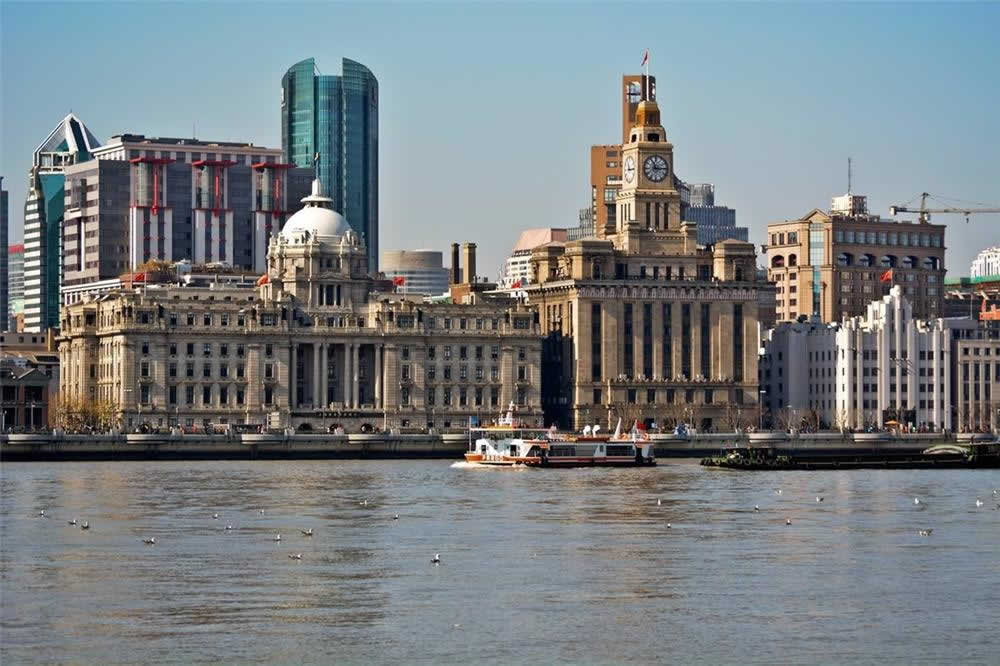
The Bund (Zhongshan East Road) is a 1.5-kilometer-long waterfront promenade lined with 52 colonial-era buildings of different architectural styles (Gothic, Baroque, Renaissance, etc.), known as the "Gallery of World Architecture." It offers stunning views of the Huangpu River and Pudong’s skyline (Shanghai Tower, Oriental Pearl Tower).
· Best Time to Visit: Sunset (17:00–19:00) for golden-hour photos, or night (19:00–22:00) when the buildings and Pudong skyline are lit up.
· Transportation: Metro Line 2/10 to East Nanjing Road Station (10-minute walk) or Line 10 to Yuyuan Garden Station (20-minute walk).
· Pro Tips: Avoid weekends and holidays (extremely crowded). Walk from South Bund to North Bund for fewer crowds and better views. Don’t fly drones without permission (strictly regulated).
2. Oriental Pearl Tower
The Oriental Pearl Tower is Shanghai’s most iconic skyscraper, standing 468 meters tall on the banks of the Huangpu River in Pudong. It’s a symbol of Shanghai’s modernity, offering panoramic views of the city from its observation decks. The tower also features a glass-bottomed walkway, a space capsule (highest observation deck), and an aquarium.
· Best Time to Visit: Morning (9:00–11:00) to avoid crowds, or evening (18:00–20:00) for skyline views with city lights.
· Transportation: Metro Line 2 to Lujiazui Station (5-minute walk from Exit 1).
· Pro Tips: Book tickets online in advance (via Ctrip or the official website) to skip long lines. Choose a clear day for the best views—foggy days can obscure the skyline. The glass-bottomed walkway (259 meters high) is not for the faint of heart!
3. Shanghai Tower
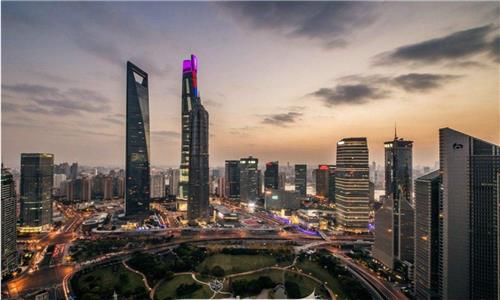
As the world’s second-tallest building (632 meters), Shanghai Tower dominates Pudong’s skyline. Its unique twisted design not only looks stunning but also reduces wind resistance. The tower’s "Top of Shanghai" observation deck (546 meters high) offers the highest unobstructed views of Shanghai, including the Bund and Oriental Pearl Tower.
· Best Time to Visit: Late afternoon (16:00–18:00) to watch the sunset and the city light up gradually.
· Transportation: Metro Line 2 to Lujiazui Station (10-minute walk, connected to IFC Mall via underground passages).
· Pro Tips: The observation deck uses high-speed elevators (630 meters per minute) that reach the top in just 55 seconds. Combine your visit with a stop at IFC Mall (luxury shopping) or Jin Mao Tower (adjacent skyscraper) for a full Pudong experience.
4. Shanghai Museum
Located in People’s Square, the Shanghai Museum is one of China’s top museums, housing over 1 million cultural relics spanning 5,000 years of Chinese history. It’s famous for its collections of bronzes, ceramics, calligraphy, paintings, and jade artifacts—perfect for travelers interested in Chinese culture and history.
· Best Time to Visit: Morning (9:30–11:30) on weekdays (fewer crowds than weekends). The museum is closed on Mondays (except public holidays).
· Transportation: Metro Line 1/2/8 to People’s Square Station (Exit 1, 5-minute walk).
· Pro Tips: Admission is free (no ticket required), but you need to reserve a spot online in advance (via the official WeChat account or website). Rent an English audio guide (¥40) to learn more about the relics. Photography is allowed in most areas (no flash).
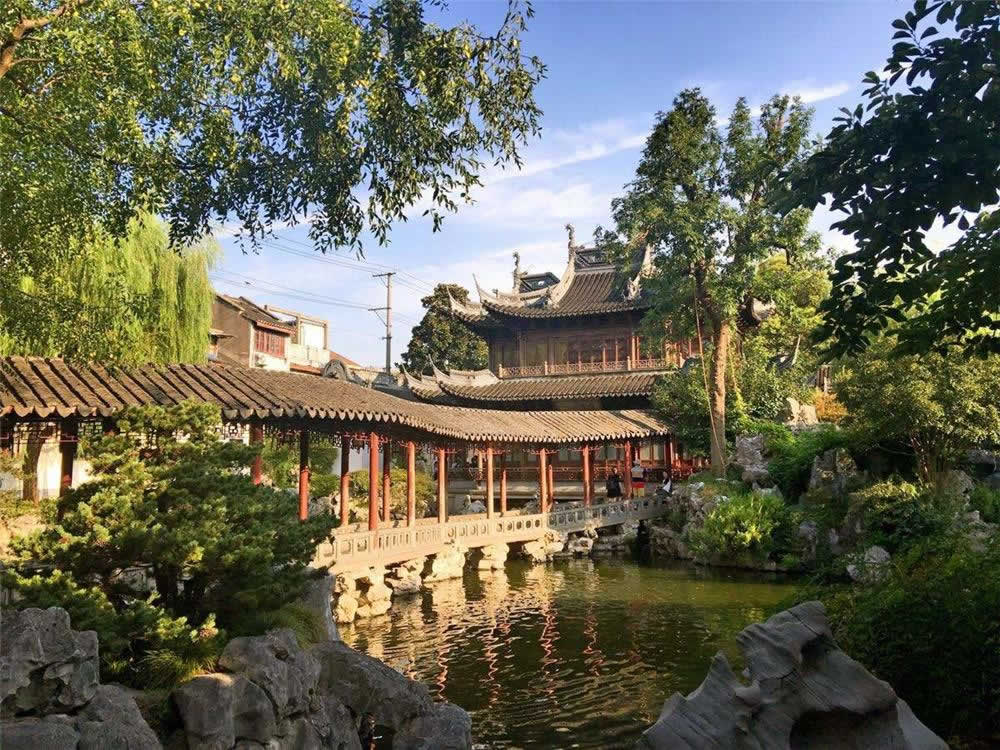
5. Yu Garden
Yu Garden is a classical Chinese garden built in the Ming Dynasty (1559–1577), covering an area of 20,000 square meters. It features rock formations, ponds, pavilions, bridges, and ancient trees, embodying the essence of traditional Chinese garden design. The garden is surrounded by a bustling pedestrian street with traditional snack shops and souvenir stalls.
· Best Time to Visit: Early morning (8:30–10:00) to avoid crowds and enjoy the garden’s tranquility. Spring (March–April) and autumn (October–November) offer pleasant weather and beautiful scenery.
· Transportation: Metro Line 10 to Yuyuan Garden Station (Exit 3, 10-minute walk).
· Pro Tips: Ticket price is ¥40 (adults), ¥20 (students with ID). Wear comfortable walking shoes—there are many steps and narrow paths. Don’t miss the "Exquisite Jade Rock" (a famous 3.3-meter-tall limestone rock in the garden).
2. Hidden Gems: Off-the-Beaten-Path Attractions
For travelers who want to escape the crowds and explore Shanghai’s lesser-known charm, these hidden gems are perfect. They offer a more authentic glimpse of the city’s culture and local life:
1. Wukang Road: Historic Villas & Literary Vibes
Wukang Road is a quiet, tree-lined street in the French Concession, known as Shanghai’s "most beautiful historic road." It’s lined with over 100 historic villas (built in the 1920s–1930s) in various styles, including Art Deco and colonial. The road is also associated with many Chinese literary figures and celebrities, adding a strong literary vibe.
· Highlights: Wukang Mansion (a iconic Art Deco building), former residences of celebrities (e.g., Ba Jin, a famous writer), cozy cafes and bookstores.
· Best Time to Visit: Afternoon (14:00–17:00) for a leisurely stroll, or early morning (9:00–11:00) to avoid crowds.
· Transportation: Metro Line 10 to Shanghai Library Station (Exit 2, 8-minute walk).
2. Duolun Road Cultural Street
Duolun Road is a historic street in Hongkou District, known as the "cradle of modern Chinese literature." In the 1920s–1930s, it was a gathering place for famous writers, artists, and scholars (e.g., Lu Xun, Guo Moruo). Today, the street retains its old-world charm, with brick-paved roads, old buildings, and small galleries, bookstores, and teahouses.
· Highlights: Lu Xun’s Former Residence, Duolun Road Cultural Center, antique shops, and street art.
· Best Time to Visit: Weekend mornings (10:00–12:00) when the street hosts small cultural markets and performances.
· Transportation: Metro Line 3/8 to Hongkou Football Stadium Station (Exit 2, 15-minute walk).
3. Xintiandi: Historic Lane Houses & Modern Nightlife
Xintiandi is a unique area that blends old and new Shanghai. It features restored shikumen (stone-gate) lane houses (traditional Shanghai residences) that now house upscale restaurants, bars, boutiques, and art galleries. It’s perfect for travelers who want to experience traditional Shanghai architecture while enjoying modern nightlife.
· Highlights: North Xintiandi (quieter, with more boutiques and art galleries), South Xintiandi (livelier, with bars and restaurants), Former Site of the First National Congress of the Communist Party of China.
· Best Time to Visit: Evening (19:00–22:00) when the lights are on and the atmosphere is lively.
· Transportation: Metro Line 10/13 to Xintiandi Station (Exit 6, 5-minute walk).
3. Pro Tips for Visiting Shanghai Attractions
To make the most of your visit to Shanghai’s attractions and avoid unnecessary hassle, here are some key tips:
· Book Tickets in Advance: For popular attractions (Oriental Pearl Tower, Shanghai Tower, Shanghai Disneyland), book tickets online 1–3 days in advance (especially during peak seasons). This saves time waiting in line and ensures you get a spot (some attractions sell out quickly).
· Avoid Peak Hours: Most attractions are crowded from 11:00 AM to 3:00 PM. Visit early in the morning (8:30–10:30) or late afternoon (4:00–6:00) to avoid crowds and long waits.
· Use Public Transit: Most attractions are easily accessible by metro. Avoid taxis during rush hours (7:30–9:30 AM, 5:30–7:30 PM) as traffic jams are common.
· Carry Essential Items: Bring a reusable water bottle (tap water is not safe to drink, but most attractions have water fountains), sunscreen, a hat, and an umbrella (for unexpected rain). Wear comfortable walking shoes—you’ll be walking a lot!
· Respect Local Rules: Don’t climb on historic relics or take photos where prohibited. Keep your voice down in quiet areas (e.g., museums, gardens). Dispose of trash properly—Shanghai is a clean city, and littering is fined.
Shanghai Shopping Guide: From Luxury Temples to Alleyway Treasures
1. Understanding Shanghai Shopping
Shopping in Shanghai is more than just “buying things”—it's a layered exploration of the city. Understanding its structure will make your experience far more efficient.
Tier 1: Global Luxury & High-End Department Stores
· Locations: West Nanjing Road, The Bund, Lujiazui IFC.
· Logic: Buy international luxury brands with global warranties and no authenticity concerns. Prices are usually higher than in Europe, but styles are the latest and most complete, offering unparalleled flagship store experiences and top-tier service.
Tier 2: Local Design, Creative Brands & Curated Boutiques
· Locations: Former French Concession (Anfu Rd, Wukang Rd, Julu Rd), Xintiandi, West Bund Art District.
· Logic: Buy unique items full of Shanghai character. This is where you discover China's next-generation designers, independent art brands, and lifestyle products.
Tier 3: Traditional Specialties & Local Markets
· Locations: Yuyuan Bazaar, characteristic old streets, intangible cultural heritage workshops.
· Logic: Buy culturally imprinted souvenirs and handicrafts. Experience the fun of bargaining and feel the most down-to-earth commercial pulse.
2. Zoned Shopping Map & Practical Strategies
Zone A: The Temple of Luxury - West Nanjing Road
· Vibe: Asia's top shopping street, powerful atmosphere, windows like art exhibitions.
· Must-Visit Landmarks:
*Plaza 66: Home to flagship stores of top luxury brands such as Louis Vuitton, Cartier, and Hermès.
*CITIC Square & Westgate Mall: Featuring international luxury brands and high-end lifestyle brands.
*Starbucks Reserve Roastery Shanghai: The world's largest Starbucks, a shopping destination in itself.
· Practical Tips:
(1) Membership Benefits: Before shopping, you can inquire at the mall's service desk about applying for a membership card. There are often promotions where you can redeem shopping points for parking vouchers or cash coupons.
(2) Tax Refund Information: Some shopping malls (such as Plaza 66) have brand stores that offer "tax refunds for foreign tourists upon departure." For purchases exceeding 500 RMB at a single store, you can apply for a refund of approximately 9-12% of the value-added tax. Be sure to ask the sales staff and request the tax refund form.
(3)Language: All sales staff in luxury stores speak fluent English.
Zone B: Modern Skyline - Lujiazui
· Vibe: Shopping in the clouds, futuristic.
· Must-Visit Landmarks:
*IFC Mall Shanghai: Following in the footsteps of its Hong Kong counterpart, it boasts a wide range of brands, is connected to the subway and major office buildings, and has a strong atmosphere of white-collar professionals.
*Super Brand Mall Shanghai: More focused on mass consumption and family-friendly activities, it features a huge riverside viewing platform.
· Practical Tips:
(1) Scenic Restaurants: Many restaurants within IFC offer stunning terrace or window views, perfectly combining shopping, sightseeing, and dining.
(2) Convenient Transportation: From IFC, you can directly access tourist attractions such as the Oriental Pearl Tower and Shanghai Tower via underground passages.
Zone C: The Source of Chic - Former French Concession
· Vibe: Under plane trees, a shop at every step, surprises around every corner.
· Must-visit routes:
*Anfu Road: Home to the Shanghai Dramatic Arts Centre, this street features stores like Duozhuayu (a second-hand book and eco-friendly clothing store), HARMAY (a multi-brand beauty store), and numerous independent designer boutiques and concept stores.
*Wukang Road - Wuyuan Road: Discover unique shops housed in historical buildings, selling antique furniture, handmade jewelry, fragrances, and coffee accessories.
*Julu Road: Creative hubs like JUJU758 are located here, housing many local designer studios and lifestyle concept stores.
· Practical Tips:
(1) Exploration Method: Walking or cycling is the only correct way. Don't set specific goals; wander around at your leisure.
(2) Payment: Many independent shops may only accept Alipay/WeChat Pay, so have your phone ready.
(3) Sizing Issues: Local designer brands may have smaller sizes, and the cuts are based on Asian body types. Be sure to try things on.
Zone D: Trend Hub - Xintiandi & Huaihai Road
· Vibe: International trends in Shikumen lanes, a collision of tradition and modernity.
· Must-Visit Landmarks:
*Xintiandi: Divided into North Block (primarily restaurants) and South Block (primarily shopping). Xintiandi Style I & II in the South Block features cutting-edge domestic and international designer brands.
*Huaihai Road: TX Huaihai is a curated shopping mall targeting Generation Z, with each floor featuring a different exhibition; iapm is known for its "night shopping" concept and a wide range of international high-street brands.
· Practical Tips:
(1) Stay informed about events: Xintiandi and TX Huaihai frequently host pop-up shops, art exhibitions, and trendy events. Check their official social media accounts before your visit to find out what's happening.
(2) Dining options: This area offers a wide variety of dining choices, allowing you to seamlessly combine shopping with enjoying delicious food.
Zone E: Cultural Souvenirs - Yuyuan & Old Streets
· Vibe: Bustling market in Ming-Qing style architecture, a mix of traditional and modern goods.
· Must-Buy List:
*Silk Products: Scarves, pajamas. Look for time-honored brands like "Shanghai Story".
*Tea & Tea Sets: Buy from Huxinting Teahouse or specialized tea shops like Wang Yutai.
*Traditional Pastries: Pastry gift boxes from Xinghualou or Shenda Cheng, perfect as respectable souvenirs.
· Practical Tips:
(1) Bargain boldly: For handicrafts and small commodities without fixed prices, you can start bargaining from 30%-50% of the marked price.
(2) Authenticate items: Be extra cautious when buying valuable items such as jade and pearls. It's best to buy from reputable established shops and request a certificate of authenticity.
(3) Beware of scams: Avoid following strangers who seem overly helpful to so-called "private tea houses" for consumption.
3. Ultimate Wisdom for Foreign Travelers
1. Payment: Alipay/WeChat Pay reign supreme. Accepted almost everywhere. Ensure your account is linked to an international credit card and topped up.
2. Refund Process:
· Conditions: Spend over 500 RMB in a single store on the same day.
· Steps: Show your passport at checkout, request a Tax Refund Form. At departure airport (Pudong/Hongqiao), present the forms, passport, and unused goods at the tax refund counter for stamping and refund (to credit card or cash).
3. Shipping: If you buy too much, use SF Express or EMS to ship directly from the mall or hotel. Large malls often have service counters. Be aware of customs declaration rules.
4. Sizing: China uses international sizing, but the cut differs. Simple reference: Chinese sizes (women's) are typically 1-2 sizes smaller than EU/US. E.g., US 4 / UK 8 ˜ Chinese M or 160/84A.
5. Essential Apps:
· Dianping: Find shopping mall and store information, user reviews, and real-time promotions.
· Brand Official Mini Programs: Many brands have mini-programs on WeChat, allowing you to check styles and inventory in advance, and even make online reservations for in-store try-ons.
· Map Apps (Baidu/Gaode): Navigate precisely to those hidden gem stores tucked away in alleyways.
*Final Philosophy: In Shanghai, the most precious thing might not be the item itself, but the process of discovery. Feel the ambition of modern China in luxury malls, and touch the soul of the city in shops under the plane trees. Stay curious and enjoy this dual harvest of material and spiritual wealth.
Shanghai Nightlife Guide: From Bund Bars to 4 AM Soy Milk
1. Understanding the Core Logic of Shanghai Nightlife
Shanghai’s night is not a singular carnival, but a layered, zoned, sophisticated theater. Understanding its operating rules is the first step to a perfect experience.
· "Three Rings" Theory: Shanghai's nightlife unfolds in three concentric rings.
*Inner Ring (Refined Social Circle): The Bund, Rockbund, Jing'an Kerry Centre. High-end bars, terraces, jazz, and low-pitched conversations. Strict dress code, high prices.
*Middle Ring (Diverse Experience Circle): Former French Concession, Xintiandi, West Nanjing Road area. The most diverse scenes: underground clubs, independent cocktail bars, wine bars, quiet pubs, live music houses.
*Outer Ring (Local Life Circle): Late-night eateries, soy milk shops, barbecue stalls, and neighborhood bars around residential areas. No show, just the authentic fireworks of local life.
· Core Rules:
*Reservations Rule: Always book ahead for popular bars, terrace seats, weekend club booths. Walking in will likely get you turned away.
*Timing Rhythm: Bars get busy after 9 PM, clubs peak between midnight and 2 AM, late-night eateries operate from midnight till dawn.
*Payment & Dress Code: Mobile payment is accepted almost everywhere. Inner ring venues generally have dress codes (no flip-flops, tank tops).
2. Scenario-Based Practical Guide
Scene 1: "I Want a Killer View with a Sophisticated Drink"
· Keywords: The Bund, Lujiazui, rooftop terraces, classic cocktails, mix of business people and tourists.
· Venue Recommendations:
*The Shanghai EDITION · ROOF: On East Nanjing Road, boasts a 270-degree open terrace with simultaneous views of the historic Bund and Lujiazui skyline. Relatively young and trendy vibe. Book window seats days in advance.
*Flair (The Ritz-Carlton Shanghai, Pudong): On the 58th floor of IFC, Shanghai's highest rooftop bar. Unbeatable view, but extremely pricey with frequent minimum spend. Best visited at dusk for sunset and lights coming on.
*Bar Rouge: Legendary venue at Bund 18. House music, terrace facing the Oriental Pearl Tower, lively atmosphere after midnight. Weekend cover charge often includes one drink.
Scene 2: "I Want to Experience the Underground/Subculture Music Scene"
· Keywords: Techno, House, indie bands, industrial spaces, veteran crowds.
· Venue Recommendations:
*Elevator: The heart of Shanghai's underground electronic scene. Located in an air-raid shelter, no sign, top-tier sound system, frequent international Techno/Psytrance DJs. Follow its WeChat official account for the secret address and event info—that's the real ticket in.
*ALL Club: Curated by renowned musicians, located on Yuyuan Road. Excellent music taste (from experimental electronic to African rhythms), artistically designed space, a sanctuary for music lovers.
*Yuyintang Music Park: The cradle of Shanghai's indie rock/bands. Pure venue, affordable tickets, the best place to feel the raw energy of young Chinese local bands.
Scene 3: "I Want a Cozy Place to Chat with Unique Drinks"
· Keywords: Cocktail bars, speakeasy, whiskey bars, creative specials, intimate vibe.
· Venue Recommendations:
*Speak Low: Top-tier Asian speakeasy. Hidden behind a bookcase in a "bar tools shop" on Fuxing Middle Road. Four floors, each with different themes and menus (e.g., third floor: Japanese sophistication, fourth floor: American enthusiasm). Requires booking well in advance.
*Sober Company: From the same group as Speak Low, takes the "sober" theme to the extreme. Divided into cafe, kitchen, and society spaces, culminating in a secret "tipsy" room. Highly gamified and ritualistic.
*The Cannery: Canned food and vintage-themed bar on Yuyuan Road. Relaxed and friendly vibe, excellent food (especially smoked fish and pâté), great for late-night gatherings.
Scene 4: "I Want the Most Authentic, Gritty, Late-Night Street Food Experience"
· Keywords: Late-night dai pai dongs, soy milk & fried dough, firewood wonton, street-side BBQ, no reservations needed.
· Experience Recommendations:
*Zhaozhou Road / Jianguo East Road area: Still brightly lit in the early hours, gathering legendary late-night eateries like Changjiao Noodles and Erlang Wonton. Eating a bowl of hot wonton on a roadside stool is the other side of Shanghai nightlife.
*Changli Road Night Market (Sangangli): Although traditional night markets are now regulated, the area around Sangangli still has lively BBQ, crayfish, and beer stalls with a?? atmosphere and friendly prices.
*Yongkang Road Bar Street (Transformed): Once a crazy bar street, now a quiet coffee and bistro area. But in the early hours, a few small spots remain lit, serving as gentle havens for night owls.
3. Essential Survival Guide for Foreign Travelers
· ID & Age Check:
*You must carry your original passport to enter any bar or club (photos or copies are usually not accepted).
*The legal drinking age is 18, and checks are strict.
· Pricing & Payment:
*Price Range: A cocktail at a Bund bar: 120-200 RMB; independent bar in the French Concession: 90-150 RMB; beer at a club: 60-100 RMB. Club booths often have minimum spends of several thousand RMB.
*Payment: Alipay/WeChat Pay accepted almost everywhere. Some high-end bars also take international credit cards.
· Safety & Etiquette:
*Personal Safety: Shanghai is generally very safe at night, but still watch your belongings in crowded entertainment areas.
*Drinking Culture: Drinking competitions or pressure to drink are uncommon. Enjoy at your own pace.
*Smoking Ban: Smoking is strictly prohibited in all indoor public places, including bars and clubs. Smoke in designated outdoor areas.
· Information Sources:
*Don't rely on Google. Use WeChat to follow the official accounts of bars/clubs you're interested in for the latest events, booking links, and address details.
*Use the Dianping app to check user reviews, average spending, and opening hours.
· Transport Guide:
*Most metro lines stop running between 23:00-23:30.
*Use the DiDi Chuxing app (has English interface) to hail a car late at night. You may need to wait in line in the early hours.
*Avoid unlicensed "black cars" soliciting outside venues. Insist on using regular ride-hailing apps.
Final Wisdom: Shanghai's night can be the golden reflection in a champagne glass on the Bund, or the white moonlight in a soy milk bowl at a lane entrance. The best nightlife experiences often happen in that lost moment between your planned Point A and Point B. Stay open, safety first.
Useful information
1. Emergency Information
Shanghai Useful Phone Numbers
Area Code: 021
Fire Emergency: 119
Police: 110
Banks
Shanghai Branch of Citibank; Floor 20, China Shipping Building, No.1, Pudong Main Street, 58791200
Shanghai Branch of Overseas Chinese Bank; Floor 23, No.710, Oriental Road, 58200200
Yangpu Subbranch of Shanghai Branch of Huaxia Bank, No.1207, Kongjiang Road, 65709961
The Head Quarter of Bank of Communications, No.18 Xianxia Road, 62751234
Shanghai Pudong Developing Bank (The Headquarter), No.50 Ningbo Road, 63291188
Shanghai Bank, No.476 Xianxia Road, 62955327
Post Office
Lujiazui Post Suboffice; No.365, Shangcheng Road
Post Service Center in New Century Square; No.501, Zhangzhang Road
Oriental Pearl Tower Post Office; No.2, Fenghe Road (259meters away from the Oriental Pearl Tower)
Post Service Center in the Sight-seeing Hall of Jin Mao Tower; Floor 88 of The Sight-seeing Hall of Jin Mao Tower
Be prepared for huge crowds at the airport, tourist sites, shopping areas, restaurants, and hotels during the Chinese New Year (usually in January or February) and the week-long holidays of International Labor Day (May 1) and National Day (Oct 1).
2. Tax Refunds, SIM Cards & Leftover RMB
1. Detailed Tax Refund Process
*At the Store: For single receipts over ¥500, show passport, request the yellow tax refund form, ensure staff fills it completely.
*At Airport: Check in first, but tell staff your luggage needs tax inspection. Take luggage and goods to customs stamp office (at PVG T2, between check-in islands D & E) for inspection. After stamping, then check luggage.
*Get Cash: After immigration, submit stamped forms at tax refund counters (e.g., Global Blue, Alipay). Choose refund to Alipay (instant) or credit card (~2 weeks).
2. Handling Your Chinese SIM Card
*If you bought a real-name prepaid SIM, no need to actively cancel. After balance runs out or plan expires, the carrier will automatically deactivate it in 3-6 months.
*Easiest: Keep the SIM as a souvenir, or simply discard it.
3. Smart Handling of Leftover RMB
*Best Option: Spend it all at airport duty-free.
*Second Best: Exchange back to your currency at airport bank counters (poor rates).
*Keep Option: Keep ¥100-200 in bills as souvenirs, or for a future trip.
Shanghai is always changing. That corner you missed this time may be brand new when you return. The best souvenir isn't a completed checklist, but the regret and anticipation that makes you say, "I'll be back." Safe travels. Shanghai awaits your return.
Travel Tips in Shanghai Recommended by Your Way Holiday
We will provide a private & spacious car and a local professional tour guide with over 5 years guiding experience only work for you or your group. You will be escorted during your tour. Transport, ticket, and dining (At some local restaurants popular with locals) all we will arrange for you according your requirements. Please check our most popular Shanghai Tours including The Bund as below:
 Discover Natural Beauty with Day Trips from Shanghai to Hangzhou: Tea Fields & West Lake
 ‘Heaven On Earth’ Hangzhou Day Trip from Shanghai by Bullet Train
Are the above sample tour programs not suitable for you? We have more Shanghai tours. Our tours can be tailor-made based on your requirements and budget to create unique Shanghai experiences that allow you to interact with the local people and culture. Our enthusiastic tour expert will promptly reply you in details within 24 hours.
Prev: Shanghai Travel FAQS
Next: No next link
Wechat: YourWayHolidayAsia
24 Hours Hotline:
+86 137-3541-1378
* Authentic Experiences: Genuine local experiences that immerse you in the true essence of Shanghai and beyond.
* Safety First: Highest safety standards with secure activities and reliable transportation.
* Customizable Tours: Flexible itineraries tailored to your interests and needs.
* Local Expertise: In-depth knowledge of Shanghai and China, offering exclusive insights.
* Professional Guides: Licensed bilingual guides with over 5 years of experience.
* Comfortable Travel: Experienced drivers and well-maintained vehicles for a smooth journey.
* Sustainable Tourism: Commitment to responsible tourism and supporting local communities.
* Customer-Focused: Personalized service and continuous improvement based on your feedback.
* Free Cancellation: Cancel up to 24 hours before travel for flexibility and peace of mind.
* 24/7 Support: Round-the-clock assistance for any questions or help needed.
1 to 1 tailor-made service from our professional travel advisors for the most sophisticated
Constantly excellent reviews for attraction, hotel and service Competitive price
Local experts provide quality tours Best selected knowledgeable local guides Authentic local restaurants
7*24 hours available to create you a worry-free tour. No Hidden Fees and absolutely no pressure to buy. Secured