24 Hours Hotline: +86 137-3541-1378
Email:[email protected]
24 Hours Hotline: +86 137-3541-1378
Email:[email protected]


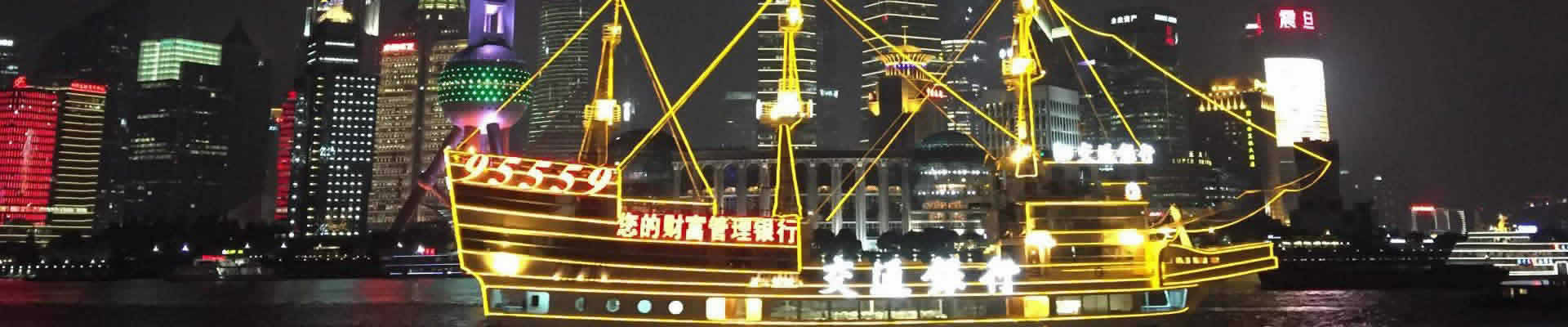

Shenzhen, a dynamic "immigrant metropolis" and global hub in Southern China, is a culinary paradise where local intangible cultural heritage (ICH) delicacies, Cantonese traditions, cross-regional fusions, indigenous hometown dishes, and international flavors converge. Unlike Guangzhou’s deep-rooted focus on traditional Cantonese cuisine, Shenzhen’s charm lies in its inclusivity—turning "outsider tastes" into local classics and preserving age-old recipes while embracing innovation. This guide covers every dimension of Shenzhen’s food scene, from street snacks to premium seafood, ensuring you taste the city’s soul.
Why Shenzhen Food Is a Must-Try
Shenzhen’s culinary scene is not just about food—it’s a reflection of the city’s spirit. Here are 5 core reasons to dive into its flavors:
· Immigrant Culture: A Melting Pot of Flavors
60% of Shenzhen’s population are immigrants from across China (Hainan, Chaoshan, Sichuan, Hunan, Fujian, etc.). Each group brought their hometown recipes, which evolved with local ingredients and tastes—creating unique fusion dishes (e.g., Hainan-Cantonese coconut chicken, Sichuan-Cantonese boiled fish).
· Geographical Advantage: Fresh Seafood & Local Produce
Located at the Pearl River Delta and adjacent to Dapeng Bay/Yantian Port, Shenzhen enjoys daily supplies of fresh seafood (abalone, oysters, sea urchin, sea bass). Its subtropical climate also nurtures high-quality local produce (Nanshan lychee, Xili mango, Shiyan sand pear).
· Balance of Tradition & Innovation
While preserving ICH delicacies (Shajing oyster, Guangming pigeon), Shenzhen reimagines classic flavors—e.g., cheese-glazed rice chicken (Cantonese dim sum with Western cheese), matcha pineapple buns (traditional bakery with Japanese matcha).
· Youthful & Diverse Trends
As a young city (average age ~32), Shenzhen leads new food trends—new-style tea (Heytea, Nayuki’s), camping-style BBQ, Guochao (national trend) dim sum, and healthy vegan eats. It caters to diverse demands from office workers, students, and tourists.
· Accessibility & Affordability
Food spots are accessible via subway/bus; street food (~¥10–30/portion), mid-range restaurants (~¥80–150/person), and high-end dining coexist. You can enjoy authentic flavors without breaking the bank.
Local ICH Delicacies: Shenzhen’s "Living Cultural Heritage on a Plate"
These dishes are protected by national, provincial, or municipal ICH authorities, carrying centuries of history from Shenzhen’s core districts (Bao’an, Longgang, Dapeng). Each bite tells a story of tradition and local wisdom.
1. Local ICH Delicacies: Taste of Shenzhen’s Cultural Heritage
These dishes are more than food—they are protected by cultural heritage authorities, carrying centuries of history from Shenzhen’s core districts (Bao’an, Longgang, Dapeng). Each bite tells a story of tradition and local wisdom.
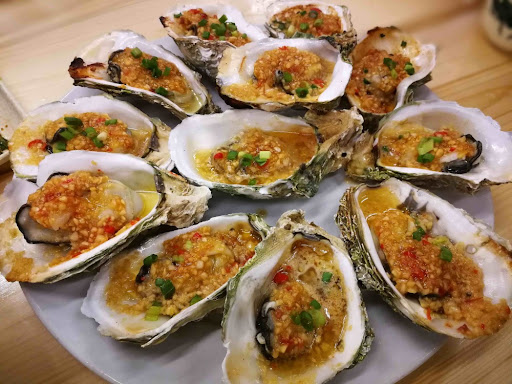
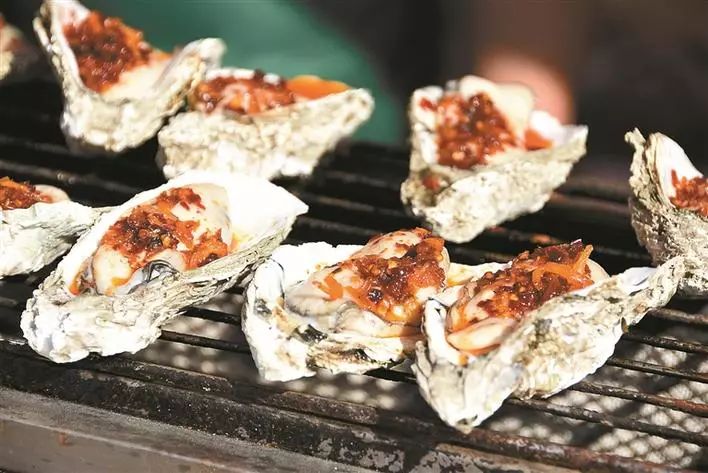
1. Shajing Oyster
Heritage Level: Provincial ICH (2008)
Key Features: Known as "sea milk," these oysters are plump, creamy, and rich in protein. Local farmers use a traditional "fattening" method: transferring oysters to nutrient-dense seawater 1 month before harvest to enhance sweetness.
Must-Try Styles:
· Garlic-grilled fresh oysters: Charred edges lock in juiciness, topped with minced garlic and chili.
· Dried oyster & preserved meat clay pot rice: Oyster umami blends with waxed meat aroma—perfect for winter.
Best Spots: Shajing Oyster Town, Old Oyster Restaurant near Xinsha Rainbow Mall
Cultural Trivia: Shajing’s oyster farming dates to the Song Dynasty (960–1279). Locals once built houses with oyster shells, creating unique coastal architecture.
Selection Tips: Tight shell, heavy weight, natural sea mud on surface; closes quickly when tapped.
Nutrition: High in zinc (71.2mg/100g) and protein; low in fat (1.5g/100g).
Local’s Hidden Way: Pair fresh oysters with local rice wine.
Pairing Taboo: Avoid eating with persimmons or pomegranates (may cause indigestion).
Suitable For: Zinc-deficient groups, post-workout recovery, skin-care enthusiasts.
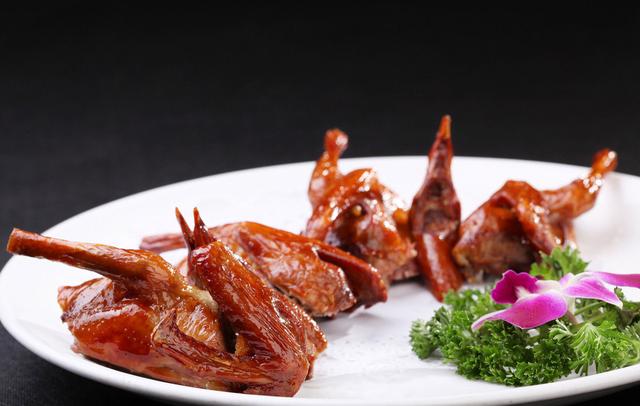
2. Guangming Pigeon
Heritage Status: De facto "Cultural Icon" (pending ICH)
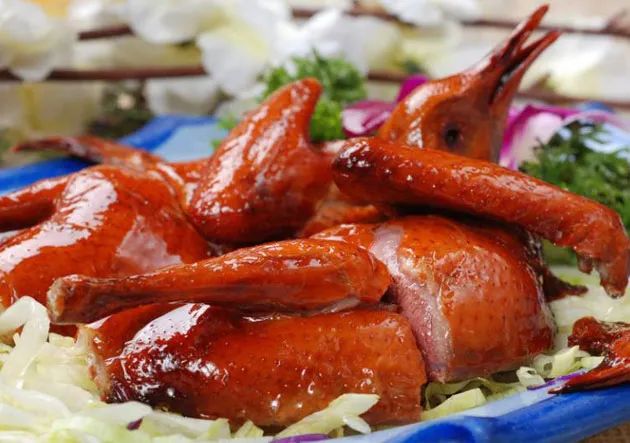
Key Features: Dubbed "China’s No.1 Pigeon," it uses 20-day-old young pigeons marinated in 12 herbs (star anise, cinnamon, cloves) for 2 hours, air-dried, then deep-fried. The result: crispy skin and juicy, tender meat.
Eating Tip: Eat with hands! Tear the breast first to sip the savory juice, then dip in black pepper salt or fresh lemon juice to cut greasiness.
Selection Tips: Ruddy skin, elastic meat, no peculiar odor.
Best Spot: Guangming Guest House, Guangming District
Nutrition: Rich in chondroitin and branched-chain amino acids, nourishes qi and blood.
Fun Fact: Invented in the 1980s for workers at Guangming Farm, it’s now a national best-selling souvenir (vacuum-packed versions are available in supermarkets).
Storage Skill: Vacuum-packed pigeons can be stored at room temperature for 6 months; refrigerate after opening and consume within 3 days.
Cooking Misconception: Do not microwave (makes meat tough); reheat by steaming for 10 minutes.
Suitable For: Postpartum recovery, elderly with weak constitution, people needing qi and blood nourishment.
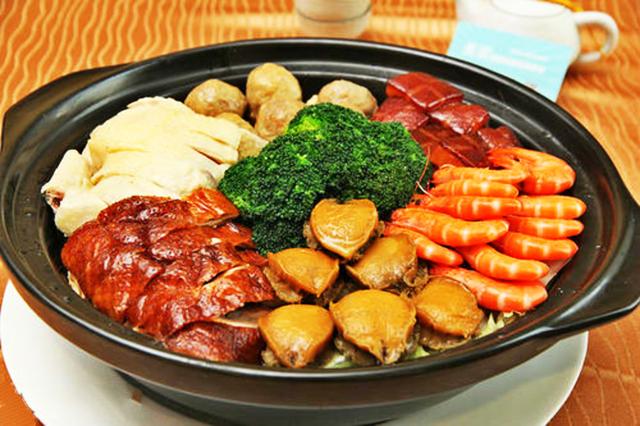
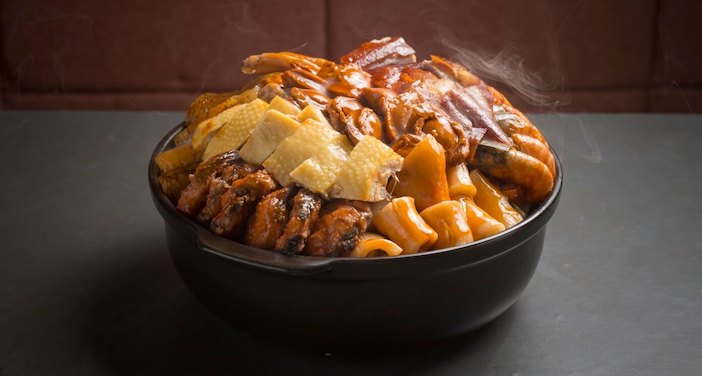
3. Xiasha Big Basin Meal
Heritage Level: Municipal ICH
Key Features: A festive layered dish with 15+ ingredients—fried oysters, chicken, duck, pork belly, dried shrimp, mushrooms, and radish. It symbolizes "family reunion" and "all blessings gathering."
Eating Order: Start from the top (chicken/duck, representing prosperity) and move down—bottom layers absorb the most savory sauce. Best for groups of 4+.
Best Spot: Xiasha Village Old Restaurant, Futian
History: Originated from the Southern Song Dynasty (1127–1279), when exiled nobles used local ingredients to recreate royal feasts.
Customization Option: Classic version (traditional ingredients) | Seafood upgrade (add abalone, lobster).
Reservation Note: Book 1 week in advance for groups of 8+; specify dietary restrictions (e.g., vegetarian, no pork) when booking.
Suitable Occasions: Spring Festival reunions, weddings, company dinners.
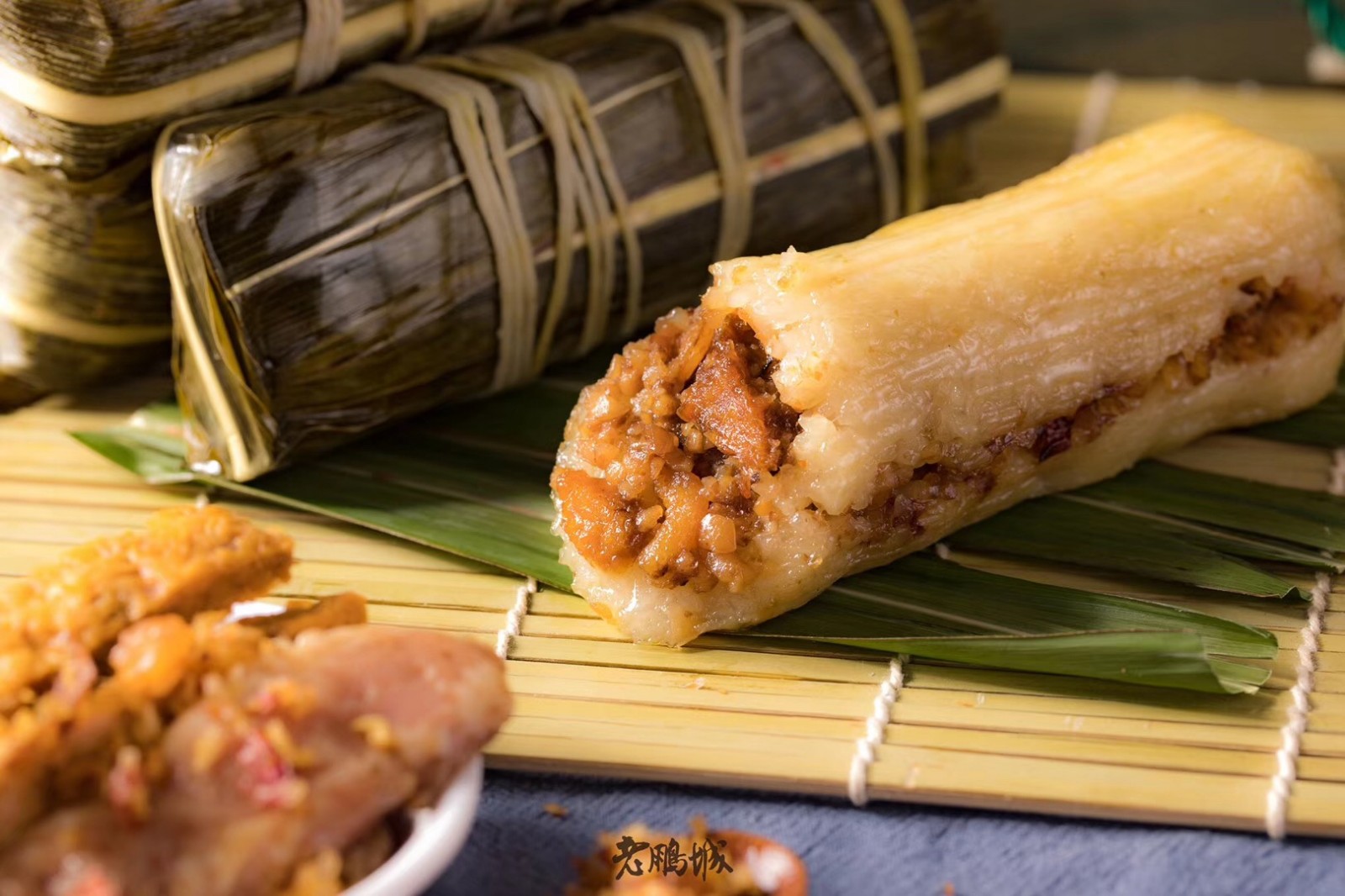
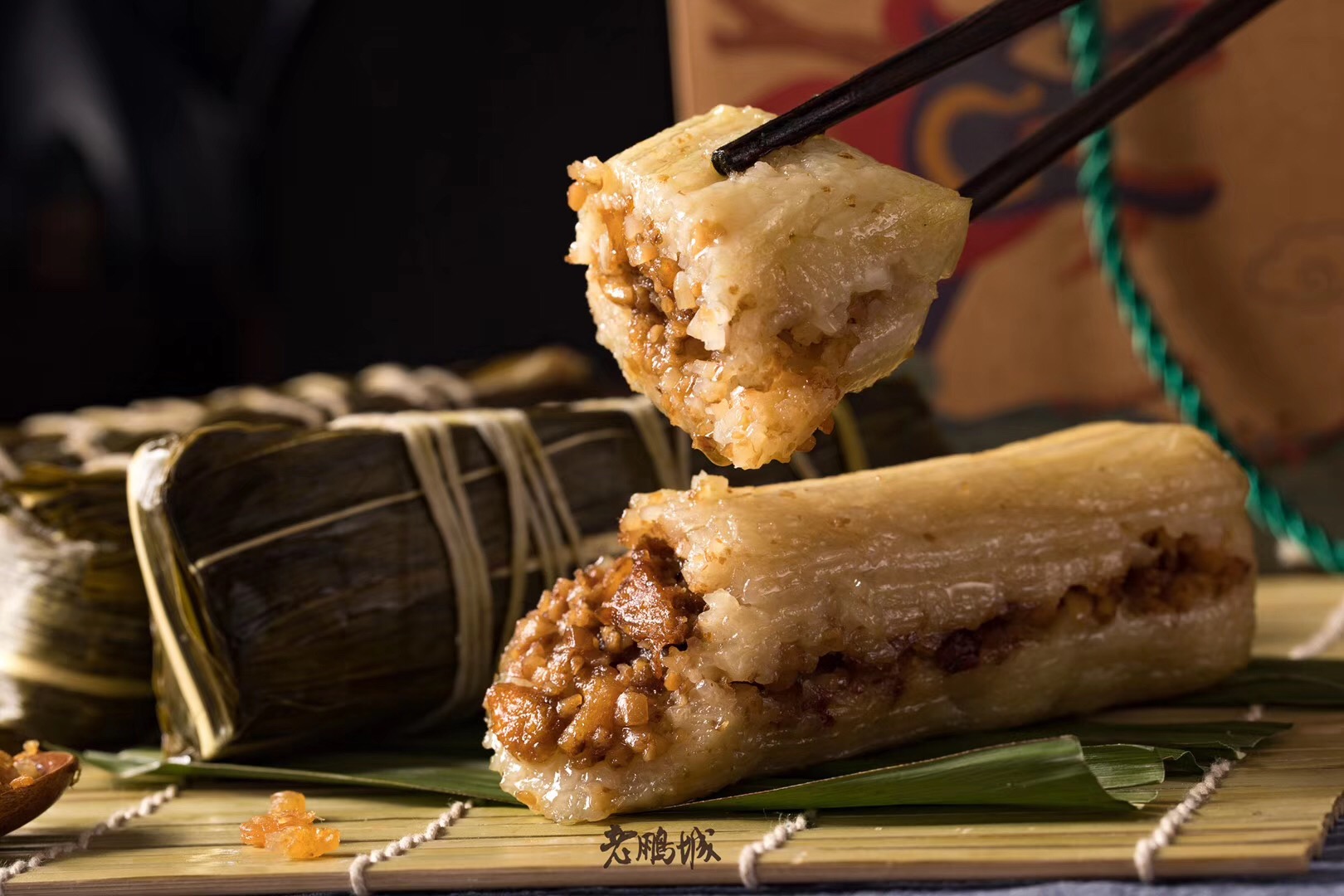
4. Nan’ao Sea Urchin Zongzi
Heritage Level: Municipal ICH
Key Features: Glutinous rice wrapped in local mangrove leaves, filled with fresh sea urchin, dried shrimp, pork belly, and salted egg yolk. It balances "sea freshness" (urchin) and "land richness" (pork).
Eating Tip: Eat hot! The sea urchin melts into the rice, creating a creamy, briny flavor—no extra sauce needed (mangrove leaves add a natural herbal aroma).
Best Spot: Nan’ao Seafood Street, Dapeng New District
Cultural Link: Staple of Dapeng’s "boat people" (Danjia) culture, symbolizes "safe navigation."
Seasonal Limit: Only available from May to July (peak Dragon Boat Festival in June).
Storage Method: Refrigerate for 3 days; freeze for 1 month (reheat by steaming for 8 minutes).
Suitable For: Seafood lovers, glutinous rice enthusiasts.
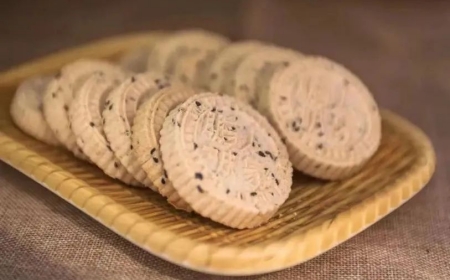
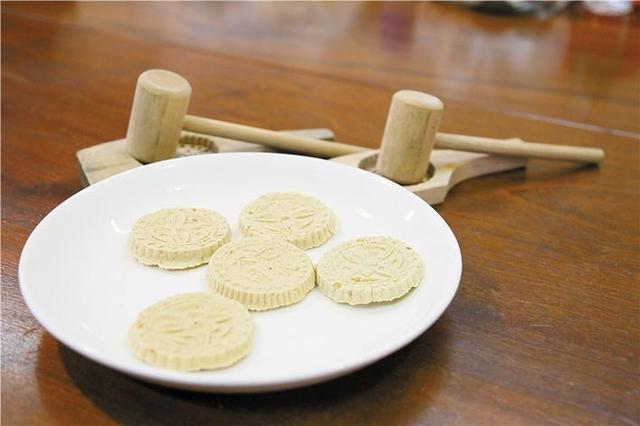
5. Dapeng Rice Cake
Heritage Level: District-level ICH
Origin: Ming Dynasty military food for Dapeng Fortress soldiers (non-perishable, high energy).
Ingredients: Glutinous rice flour, peanuts, sesame, rock sugar (no preservatives).
Production Craft: Grind rice - mix with fillings - press with wooden molds - bake in clay oven.
Flavor Variations: Sweet (peanut/sesame); savory (salted egg yolk/radish).
Selection Tips: Crisp texture, no mold spots; aromatic when opened.
Local Experience: Dapeng Ancient City – make rice cakes with ICH inheritors (weekend workshops).
Gift-Giving Idea: Pack in red paper boxes (symbolizes good luck) for festivals.
Suitable For: Elderly (easy to chew), children (no additives), souvenir seekers.
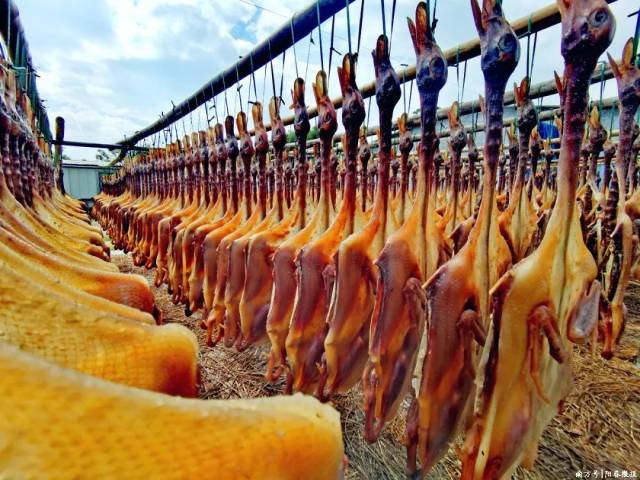
6. Songgang Preserved Duck
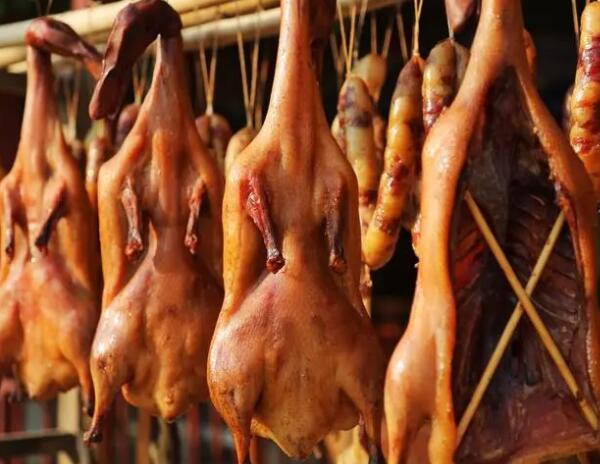
Heritage Level: Municipal ICH
Breed Selection: 6-month-old local duck (1.5kg), lean meat with moderate fat.
Key Feature: Dry surface, tender meat, rich smoke aroma; no greasy taste.
Cooking Methods: Braised with radish, steamed with glutinous rice, sliced as cold dish.
Cultural Value: Represents Shenzhen’s coastal preserved food culture, listed in "Guangdong Famous Snacks."
2. Cantonese Roots: Classic Flavors with Shenzhen Twists
Shenzhen honors Cantonese culinary traditions while adding creative twists. Morning tea, roast meats, and seafood—core elements of Cantonese cuisine—are reimagined with local flair.
1. Cantonese Morning Tea
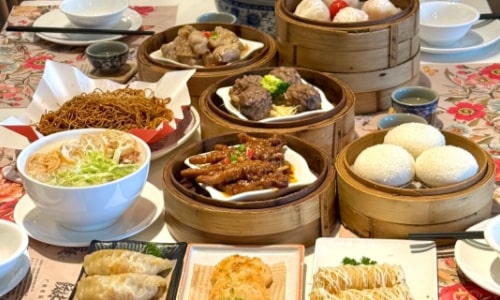
Morning tea ("yum cha") is a social ritual in Shenzhen. Teahouses blend traditional dim sum with modern innovations, attracting locals and tourists alike.
Must-Try Dim Sum
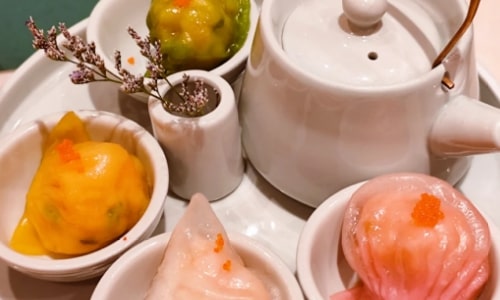
· Shrimp Dumpling: 3 whole shrimps per dumpling (vs. 2 in Guangzhou) for extra juiciness. The translucent wrapper is made with wheat starch + tapioca flour (1:1), steamed at 100°C for 5 mins.
· Cheese Glutinous Rice Chicken: Cream cheese is mixed into glutinous rice, balancing creaminess and savoriness. Soak the lotus leaf overnight to infuse aroma.
· Durian Pastry: Uses fresh Malaysian durian (not frozen) with a 36-layer hand-folded crust, baked at 200°C until golden.
· Shrimp Rice Roll: Silky rice sheet made with stone-ground rice, rolled with 2 whole shrimps and scallions.
Top Tea Houses
· Tim Ho Wan: Michelin-recommended, affordable (dim sum ~¥8–18/portion).
· Maxim’s Palace: Luxury option with harbor views—Hong Kong-style egg tarts are a must.
· Local Neighborhood Teahouses (e.g., "Lao Cai Yuan" in Longgang): Most authentic, popular with locals for 7–8 AM dim sum.
Etiquette Tips
· Pour tea for others first: Tap the table with 2 fingers to say "thank you" (a classic Cantonese tradition).
· Avoid peak hours (10 AM–12 PM): Weekends see lines of 1+ hour.
Morning Tea Itinerary
· Casual Experience: Lao Cai Yuan (7:30 AM arrival) – fresh dim sum, local chat atmosphere.
· Luxury Treat: Maxim’s Palace (9:00 AM arrival) – harbor views, premium ingredients.
2. Cantonese Roast Meats
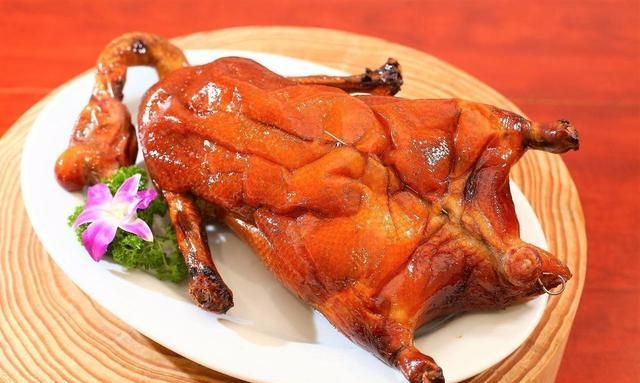
Shenzhen’s roast meats follow Cantonese techniques but use local ingredients (e.g., lychee wood from Nanshan) for unique aroma.
| Roast Meat | Key Features | Best Spot | Pairing |
| Gongming Roast Goose | Lychee wood-smoked; 3–4kg Qingyuan goose. Golden skin, fatty-but-not-greasy. | Shekou Deji Old-Established Roasted Meat Shop, Xiacun New Qiang's Roasted Goose | Plum sauce |
| Char Siu | Two styles: Lean (pork tenderloin) | Longxing Roast Meat Shop, Fat Girl BBQ Restaurant | Homemade char siu sauce |
| Siu Yuk | Crispy skin secret: Poke holes with a fork, rub salt + vinegar (1:1), air-dry overnight. | Hung Kee, Bao’an | White sugar (skin) Garlic chili oil (meat) |
| Gongming Sausage | 30% fat + 70% pork tenderloin; marinated in rice wine + 20 spices. Three sun-drying + three roasting processes. | Gongming Old Street Delicacy Shops | Steamed with rice or stir-fried; Steam with waxed duck for richer flavor |
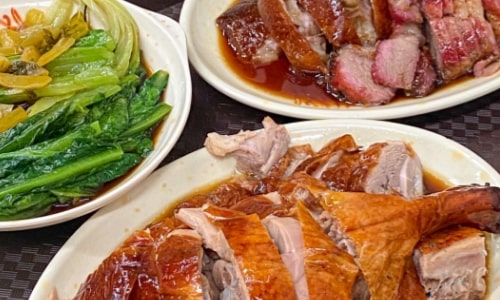
3. Cantonese Seafood
As a coastal city, Shenzhen’s seafood is delivered daily from Dapeng Bay and the Pearl River Delta. Freshness is non-negotiable.
| Seafood Dish | Cooking Method | Best Spot | Freshness Tip |
| Steamed Sea Bass | Steamed with ginger + scallion for 8 mins (per 500g), drizzled with hot oil + soy sauce. | Huangsha Seafood Market Processing Restaurants | Clear eyes, firm gills, no fishy smell |
| Salt-Baked Crab | Fresh flower crab baked with coarse salt for 15 mins, retaining natural sweetness. | Nanshan Seafood Restaurant | Heavy for size (more meat/roe) |
| White-Boiled Shrimp | Boiled in ginger + rice wine water, served with ginger-scallion oil. | Yantian Port Seafood Stalls | Active movement, intact whiskers |
Seafood Market Hack
· Visit Huangsha Seafood Market (Line 1/6 to Huangsha Station): Buy live seafood (e.g., lobster ¥80–120/500g) and get it cooked at nearby restaurants (processing fee ¥10–20/dish).
· Avoid scams: Bring a small scale (some vendors use inaccurate scales); don’t let vendors "help select" (they may push expensive seafood).
.jpg "seafood (1)")
.jpg "seafood (2)")
Indigenous Hometown Dishes: Shenzhen’s Local Treasures
These dishes are unique to Shenzhen’s rural areas (Dapeng, Nanshan, Pingshan) and reflect the city’s agricultural and coastal roots.
1. Dapeng Kiln Chicken
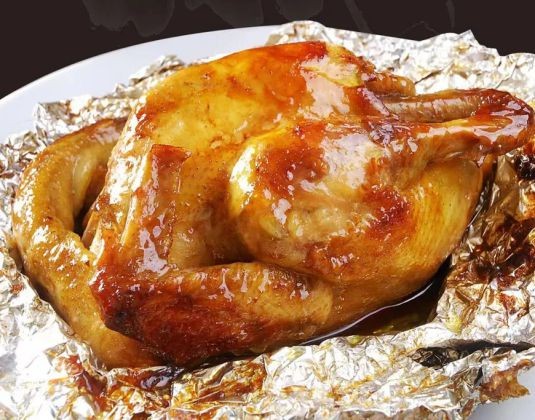
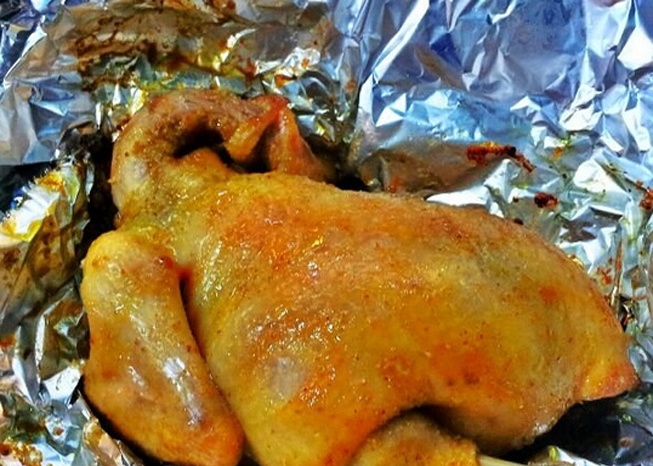
Key Features: Uses free-range Sanhuang chicken marinated in secret sauce (soy sauce + five-spice + honey) for 1 hour. Wrapped in tin foil and baked in a 500°C clay kiln for 30 mins. Result: tender meat, juicy, and infused with earthy aroma.
Eating Tip: Tear the chicken while hot to let the juice flow; dip in the remaining marinade.
Best Spot: Dapeng Ancient City Kiln Chicken Restaurants.
Cultural Note: A Hakka specialty; once a staple for farmers during harvest season.
Cooking Experience: Some restaurants offer "DIY kiln chicken" (book 1 day in advance).
Pairing Drink: Local herbal tea (cools down the "heat" from the chicken).
Suitable For: Outdoor activity groups, family trips.
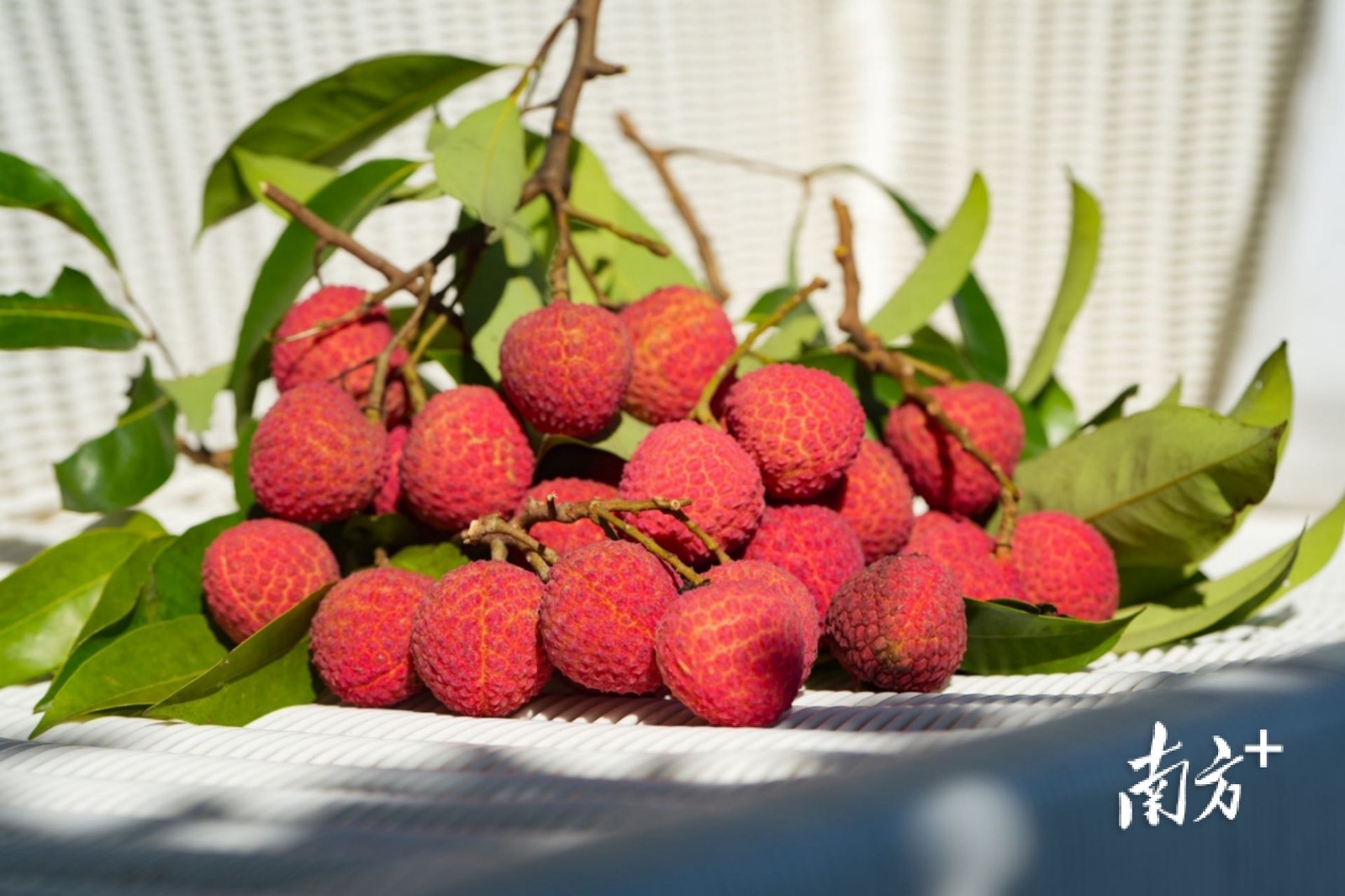
2. Nanshan Lychee
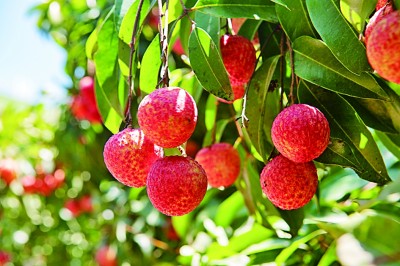
Key Features: National Geographic Indicator Product. Varieties: Nuomici (juicy sweet) | Feizixiao (crisp sweet). Grown in Nanshan’s subtropical climate; no pesticides, naturally sweet.
Best Season: June–July
Best Spot: Nanshan Lychee Orchards – pick-your-own (¥30/kg)
Eating Tip: Eat fresh within 24 hours of picking; refrigerate to keep freshness.
Processing Methods: Make lychee wine, lychee jelly, or dried lychee (preserves for 6 months).
Health Note: Avoid eating too many (may cause "lychee sickness" – dizziness, nausea); pair with salt water.
Suitable For: Fruit lovers, souvenir shoppers (canned lychee).
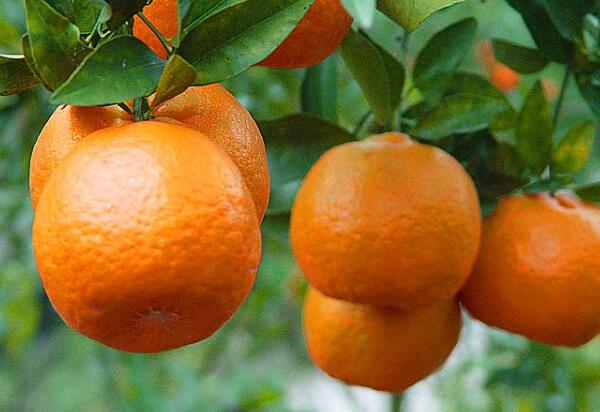
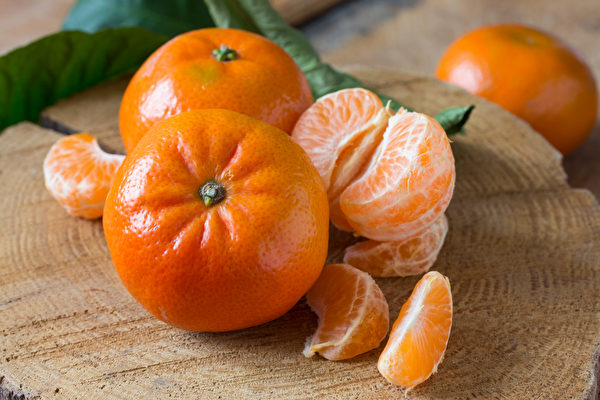
3. Pingshan Golden Turtle Orange
Key Features: Centuries-old variety, named for its golden turtle-like shape. Thin skin, juicy flesh, and natural sweetness (no added sugar). Rich in vitamin C and dietary fiber.
Best Season: October–November
Best Spot: Pingshan Golden Turtle Village Orchards
Cultural Note: A Hakka heritage fruit; used in traditional weddings as a symbol of "sweet marriage."
Culinary Uses: Eat fresh, make orange jam, or brew tea (dried peel).
Storage Skill: Store in a cool, ventilated place for 1 week; refrigerate for 2 weeks.
Suitable For: Vitamin C supplement seekers, tea lovers.
Cross-Regional Fusion: Shenzhen’s Original Inventions
Shenzhen’s immigrant population (60% from other provinces) has birthed unique fusion dishes—loved nationwide for their creativity and flavor balance.
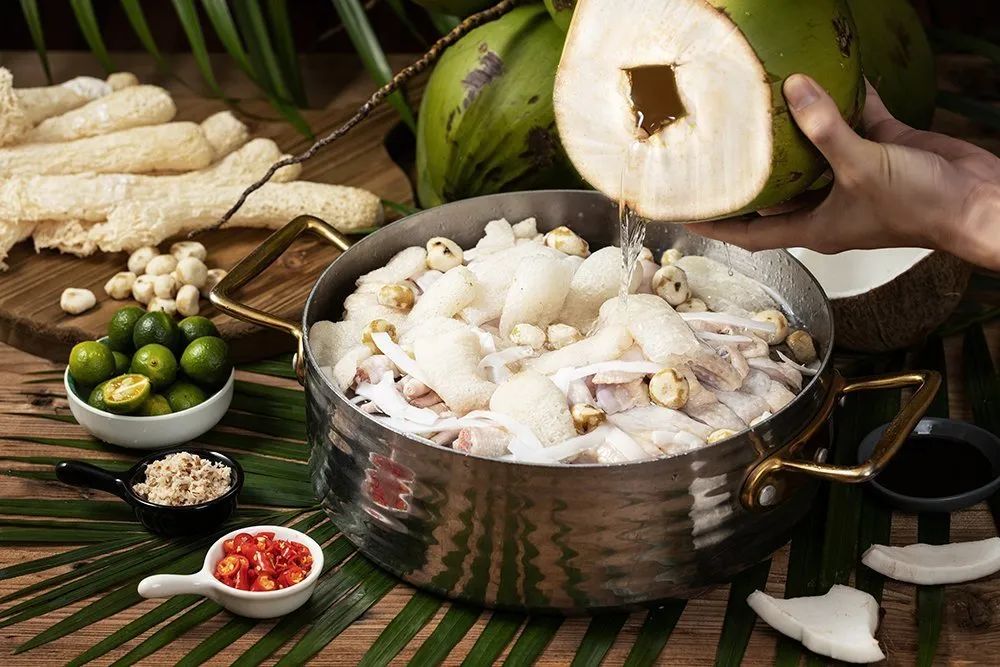
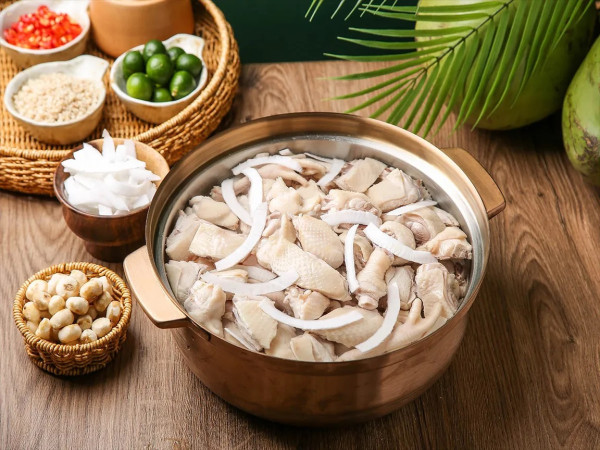
1. Hainan-Cantonese Fusion: Coconut Chicken
Origin: 1990s, created by Hainanese immigrants combining Wenchang chicken with Cantonese soup culture.
Core Innovation: Use fresh coconut water (no added water) as broth; add wolfberries/red dates for nutrition.
Key Ingredients: 1.5kg Wenchang chicken, 3 Hainan green coconuts, sand ginger (for dipping).
Eating Process: Drink broth - blanch chicken (3 mins) - cook seafood/vegetables.
Dipping Sauce Formula: Sand ginger mince + lime juice + soy sauce + chili oil (1:1:2:0.5).
Famous Chain: Runyuan Siji – "Shenzhen’s Coconut Chicken Icon."
Spicy Option: Add Sichuan peppercorns and chili (for spice lovers).
Suitable For: Health-conscious diners, groups, hot pot lovers.
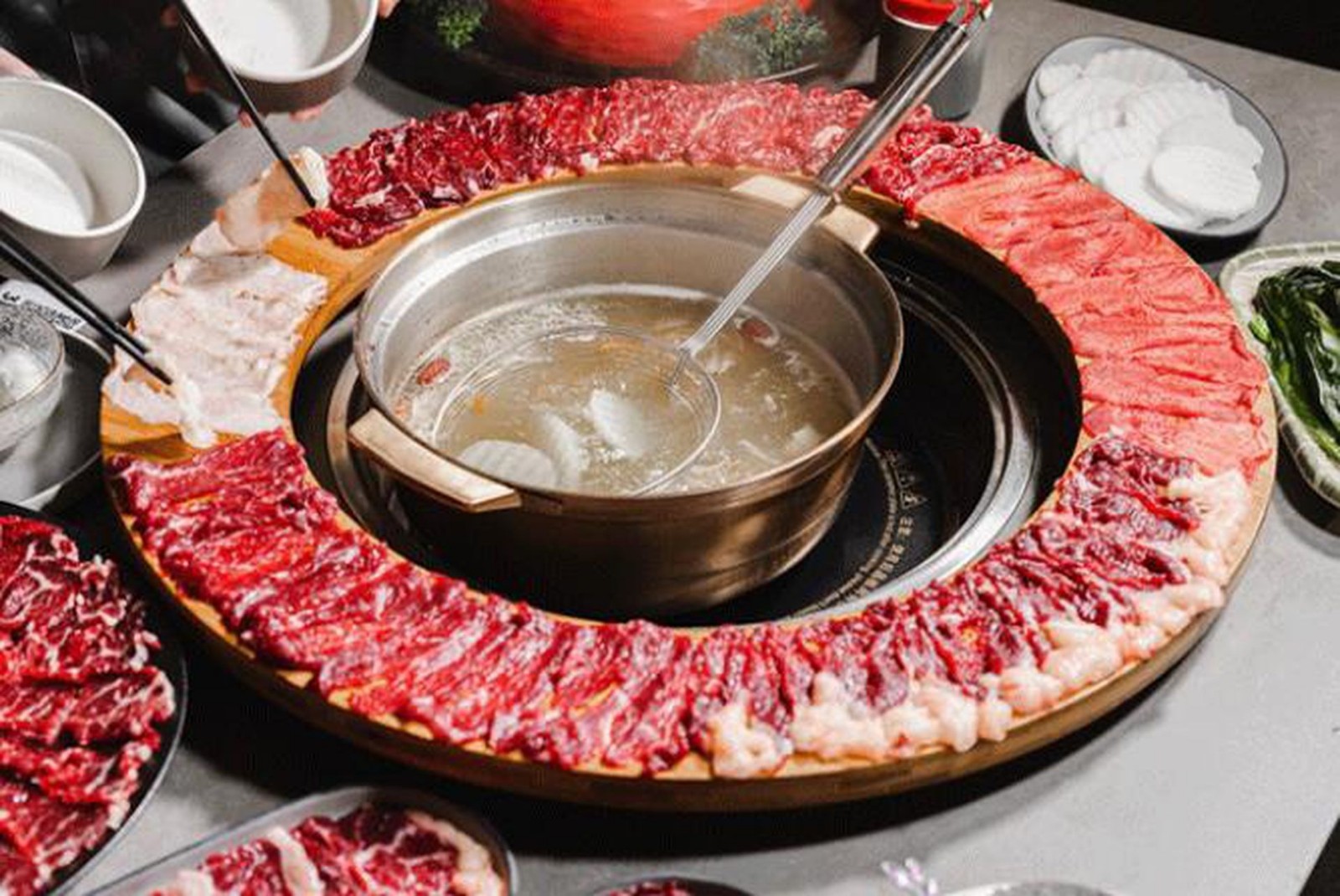
2. Chaoshan Beef Hot Pot
Innovation Point: Add "chest oil" (crispy fat) and "sour bamboo shoots" to localize flavor.
Meat Cuts Guide: Diaolong (8s blanch) - Spoon Handle (10s) - Chest Oil (15s).
Broth Option: Clear beef bone broth (classic) - tomato beef broth (local favorite).
Side Dishes: Sour bamboo shoots, taro slices, fried tofu skin (absorb broth flavor).
Broth Option: Clear beef bone broth (classic) | Tomato beef broth (local favorite).
Secret Dip: Mix sand tea sauce + peanut butter + sesame oil (creamy and savory).
Serving Tip: Order "beef ball soup" as a starter (previews the hot pot’s flavor).
Chain Recommendation: Bahelihai Beef Hot Pot (affordable) - Haidilao Chaoshan Version (premium).
Suitable For: Beef lovers, hot pot enthusiasts, budget diners.
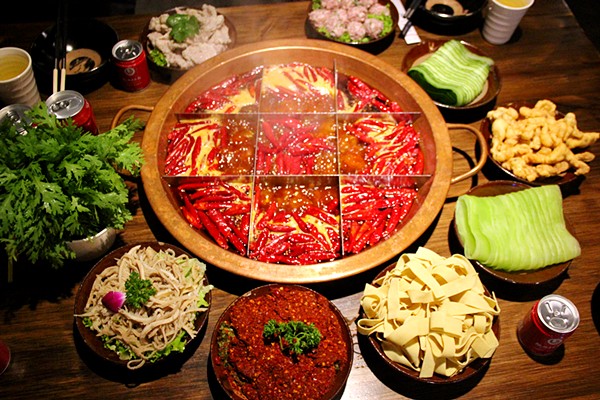
3. Longjiang Braised Pork Rice
Local Upgrade: Braise with oyster sauce + rock sugar (sweeter than Chaoshan version); add pickled mustard greens.
Trotter Selection: Front trotter (more tendons) - back trotter (more meat).
Cooking Secret: Simmer on low heat for 3 hours; soak in sauce overnight for deeper flavor.
Serving Style: Rice + trotter slices + pickled mustard + sauce drizzle (no extra oil).
Budget Option: Local stalls (¥18-25/portion); office workers’ top choice for lunch.
Cultural Note: Called "workers’ comfort food" – filling, affordable, and ready in 5 mins. |
Customization: Ask for "more sauce" (mix with rice) or "less fat" (lean trotter).
Best Spot: Local stalls near Futian CBD (e.g., "A Fu Pork Trotter Rice") – ¥18–25/portion.
Suitable For: Office workers, budget diners, quick meal seekers.
.jpg "Claypot Rice (1)")
.jpg "Claypot Rice (2)")
4. Hakka-Shenzhen Fusion
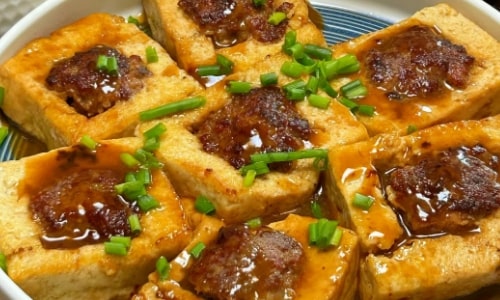
Stuffed Tofu 2.0: Add shrimp paste to filling (enhance umami); pan-fry with chili oil (local spicy preference).
Hakka Tea Cake Innovation: Sweet version (mango filling) - savory version (dried shrimp + radish).
Salt-Baked Chicken Upgrade: Wrap with lotus leaf before baking (add herbal aroma); serve with lemon sauce.
Recommended Restaurant: Hakka Wang (Longgang) - Lao Jia Hakka Cuisine (Bao’an).
.jpg "Salt-Baked Chicken (1)")
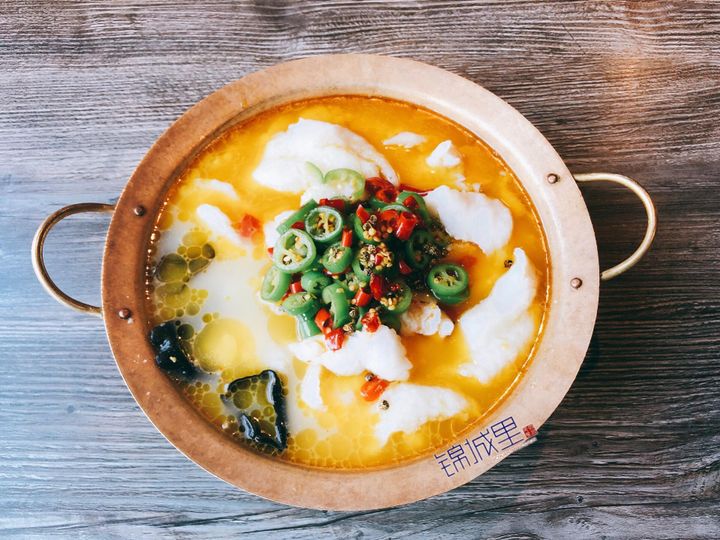
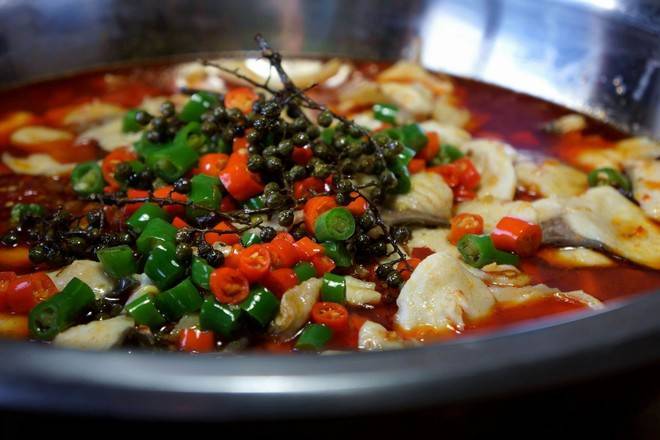
5. Sichuan-Cantonese Fusion: Sichuan Pepper Boiled Fish
Origin: Created by Sichuan immigrants in Nanshan; balances Sichuan’s spiciness with Cantonese’s freshness.
Core Innovation: Use fresh sea bass (Cantonese preference) instead of grass carp; reduce oil (healthier).
Spice Control: Choose "mild" (1 star) - "spicy" (3 stars) - "extra spicy" (5 stars) based on tolerance.
Key Ingredients: Sea bass fillet, pickled cabbage, Sichuan pepper, ginger-scallion oil.
Pairing Drink: Osmanthus oolong tea (neutralizes spiciness).
6. Hunan-Cantonese Fusion: Chopped Chili Fish Head Casserole
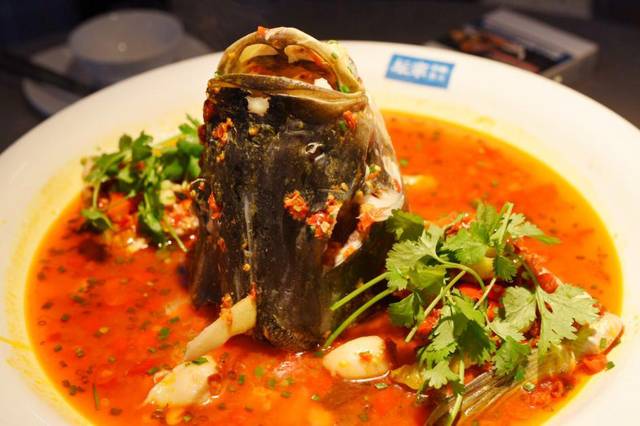
Local Twist: Reduce chili intensity; add fermented black beans (Cantonese umami boost); serve with rice noodles.
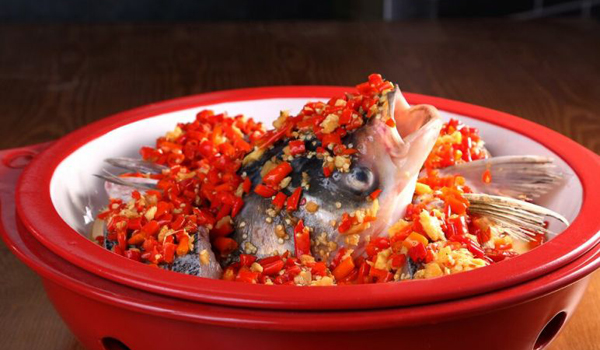
Fish Head Selection: Fresh bighead carp head (1kg); remove gills and black membrane (key to reducing fishy smell).
Chopped Chili: Mix Hunan chopped chili + local sweet chili (1:1) for balanced flavor.
Recommended Spot: Hunan Home Cooking (Futian) - Spicy Fish Head Restaurant (Nanshan).
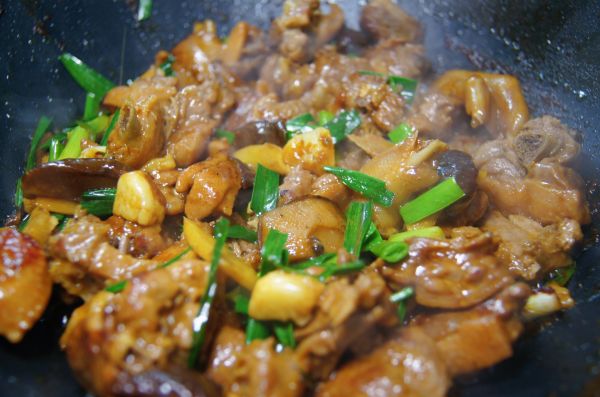
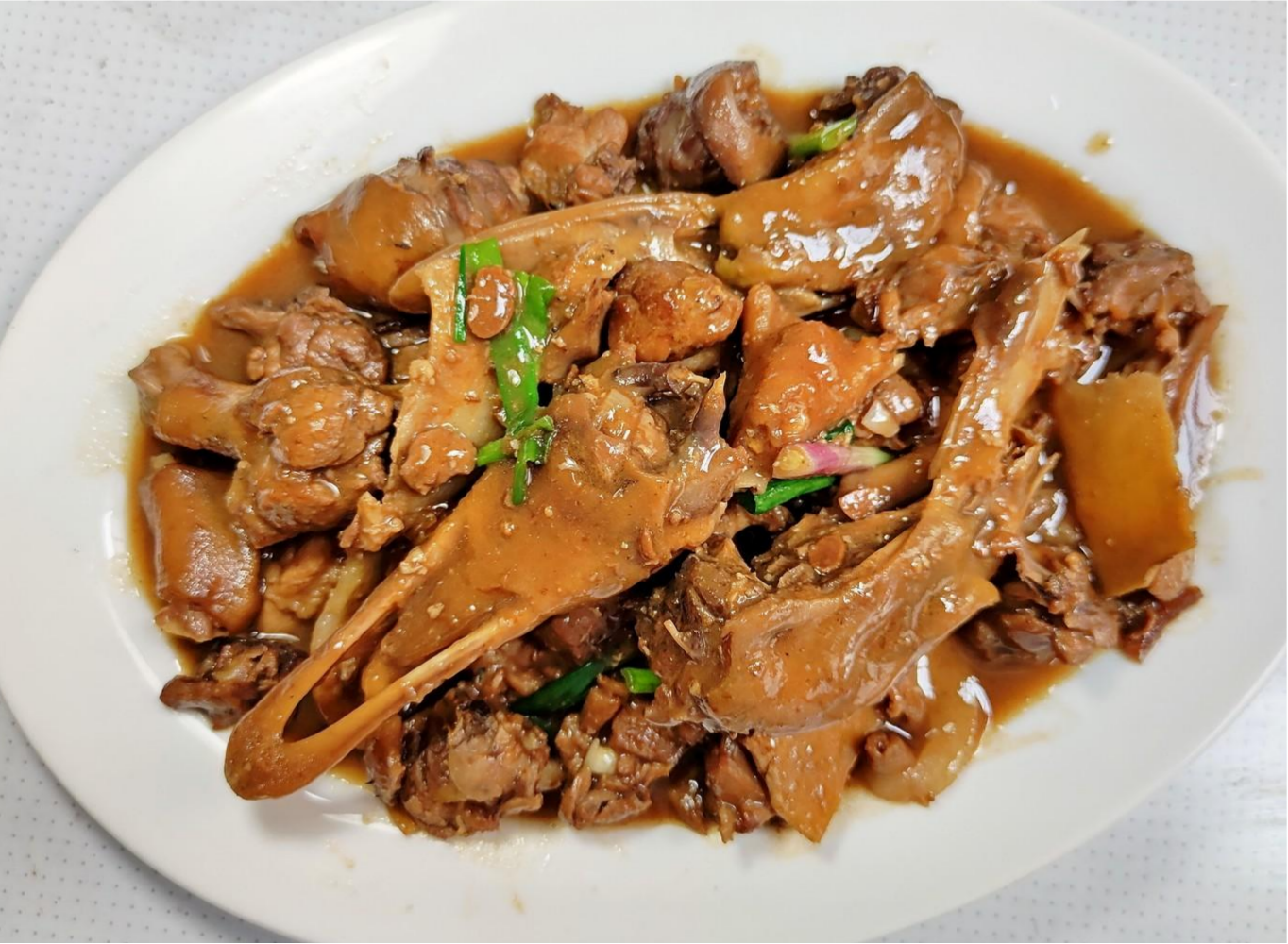
7. Fujian-Cantonese Fusion: Satay Braised Duck
Origin: Fujian immigrants in Xiamen brought satay sauce; combined with Cantonese braising technique.
Satay Sauce Blend: Fujian satay + Cantonese oyster sauce + honey (1:1:0.5) - thick, savory-sweet.
Duck Selection: Half duck (1kg); blanch with ginger + rice wine (tenderize meat).
Side Dish: Braised taro (absorbs sauce flavor) - stir-fried bok choy (fresh balance).
New-Style Tea & Desserts: Shenzhen’s Modern Treats
Shenzhen is China’s "new-style tea capital," home to iconic brands that redefine tea culture.
1. New-Style Tea Brands
| Brand | Signature Drink | Price Range | Key Feature | Seasonal Limited |
| Heytea | Cheese-Top Tea | ¥20–35/cup | Uses high-quality tea leaves; cheese foam made with fresh milk. | Lychee Cheese Tea (Jun–Jul) |
| Nayuki’s Tea | Fruit Tea + Bread | ¥25–40/cup | Fresh fruit chunks; paired with homemade bread. | Osmanthus Oolong (Sep–Oct) |
| Moli Nai Bai | Jasmine Milk Tea | ¥18–28/cup | Premium jasmine tea; low sugar, floral aroma. | Winter Melon Jasmine (Dec–Feb) |
2. Classic Cantonese Desserts
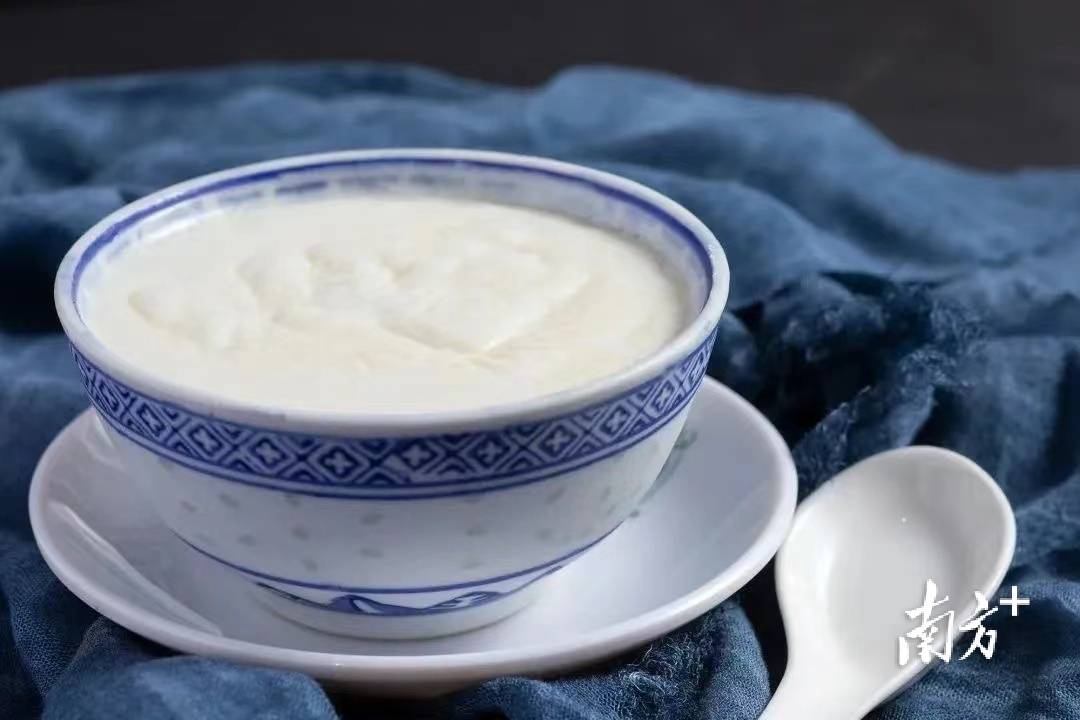
Double Skin Milk: Made with fresh buffalo milk. Thick top layer, silky texture. ¥12–20/portion. Best spot: Nanxin Milk Dessert, Dongmen.
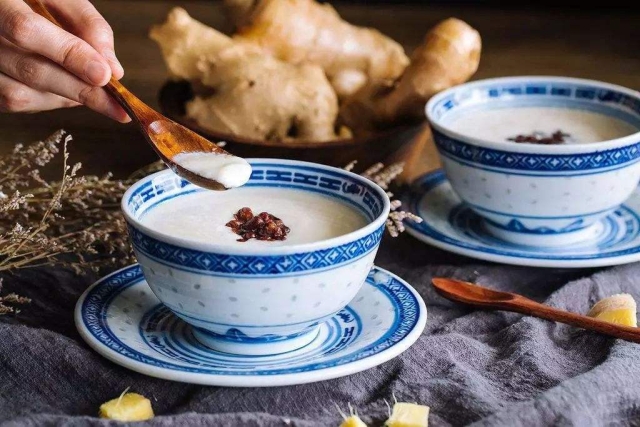
Ginger Milk Pudding: Fresh ginger juice + hot milk (sets naturally). Spicy-sweet. ¥10–18/portion. Best spot: Taiqing Herbal Tea Shop, Bao’an.
Turtle Jelly: Made with herbal extracts (turtle shell, honeysuckle). Clears heat and detoxifies. ¥8–15/portion. Best spot: Local herbal tea shops.
3. Traditional Pastries & Local Snacks
| Food Name | Key Features | Popular Reason | Best Spot |
| Shenzhen Fried Rice Cake | Made with glutinous rice, peanuts, and sugar; crispy, fragrant, and shaped into hearts/peaches via wooden molds. | Deeply intertwined with Spring Festival customs, these festive pastries evoke childhood memories and are enjoyed by people of all ages. | Bao’an Old Market, Dapeng Ancient City Snack Shops |
| Bao’an Yunpian Cake | White, thin, and soft; made with glutinous rice, lard, and sesame. A district-level ICH (2011). | Combining cultural value and delicious taste, it's suitable as a souvenir and enjoys high public recognition. | He Cheng Hao Old Shop, Bao’an |
| Qingming Zai | Also called "Ai Ci"; glutinous rice mixed with mugwort, filled with peanut/sesame (sweet) or radish (savory). | This dish is a must-eat during the Qingming Festival. It has a unique aroma of mugwort, a soft and chewy texture that doesn't stick to the teeth, and represents a combination of Hakka culture and seasonal cuisine. | Kuiyong Old Town, Longgang Hakka Restaurants |
| Gongming Laisi | Silky rice noodles served with roast goose; called “Golden Goose & Silver Noodles” locally. | Paired with roasted goose from Gongming, the rice noodles are soft and smooth, and the goose meat is fragrant and flavorful, making it a representative example of Cantonese-style fast food. | Lao Lin Roast Goose with Laisi Set |
4. Cantonese Desserts (Tang Shui)
| Food Name | Key Features | Popular Reason | Best Spot |
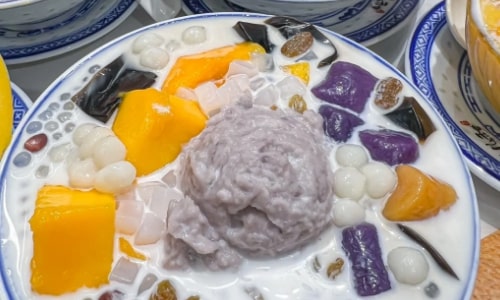
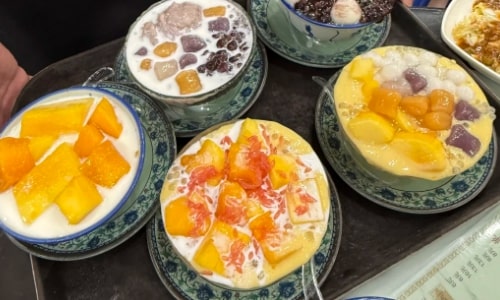
| Chrysanthemum Mango Sago | Mango pulp + sago + pomelo + coconut milk; sweet and refreshing. | A “classic Cantonese dessert”; suitable for summer (iced) and winter (warm). | Nanxin Milk Dessert, Local Tang Shui Shops |
| Double Skin Milk | Made with fresh buffalo milk; thick top “skin” and silky inner layer. Served with red beans or mango. | “Texture is key”; creamy but not greasy; a “test of a good tang shui shop”. | Taiqing Herbal Tea Shop, Bao’an |
| Red Bean Soup with Barley | Red beans + barley simmered for 2 hours; sweet and thick. Helps “relieve dampness”. | Healthy and functional; a “go-to for office workers with heavy humidity”. | All Local Tang Shui Shops |
Street Food & Late-Night Eats: Shenzhen’s After-Dark Vibes
Street food and late-night eats are the soul of Shenzhen’s food scene—cheap, flavorful, and full of "human warmth." Explore these districts for authentic local tastes.
1. Futian District
Dongmen Food Street
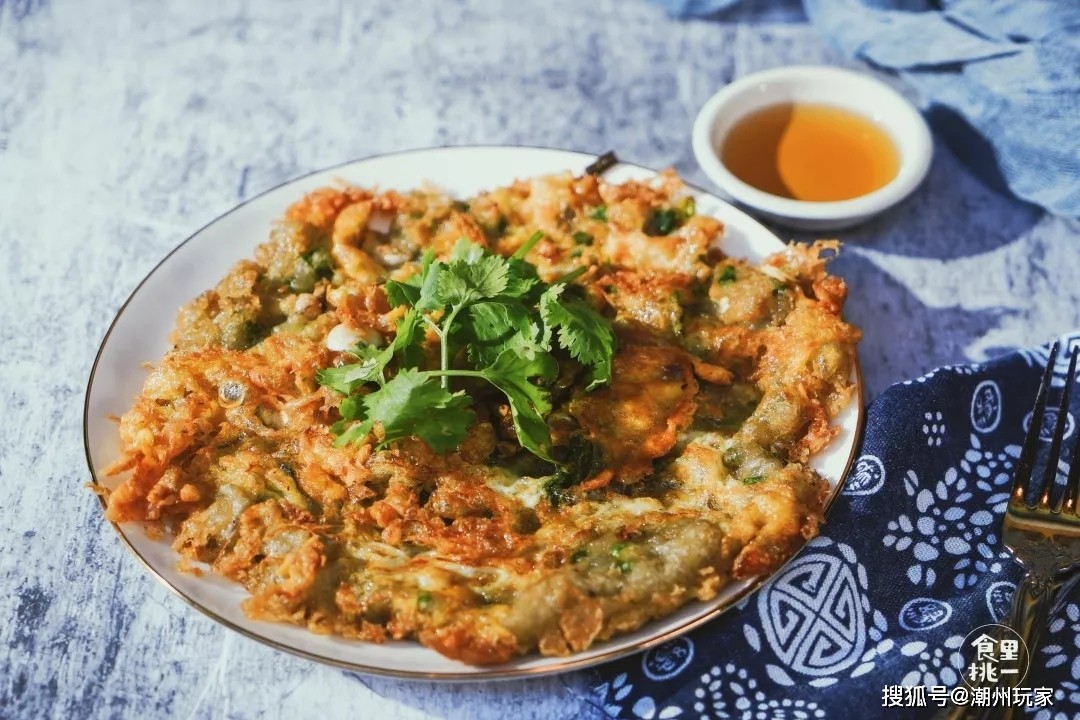
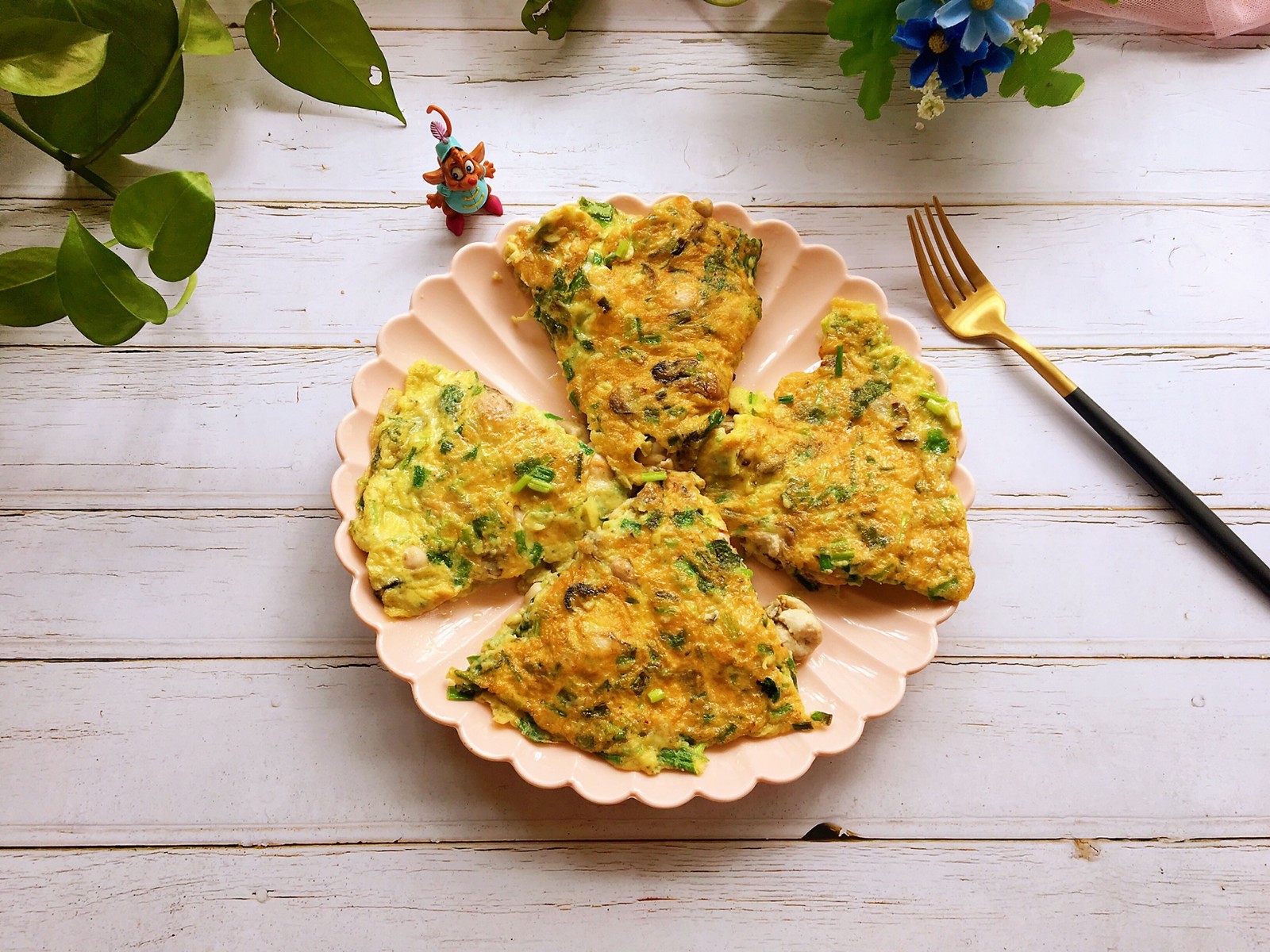
1. Oyster Omelette
Origin: Chaoshan street food, localized with Shajing oysters.
Flavor: Crispy edges, juicy oysters, sweet potato starch texture.
Best Stall: "Uncle Li’s Oyster Omelette" (No. 123 Dongmen Pedestrian Street).
Price: ¥15-20/portion.
Eating Tip: Add sweet chili sauce (classic) or garlic sauce (spicy option).
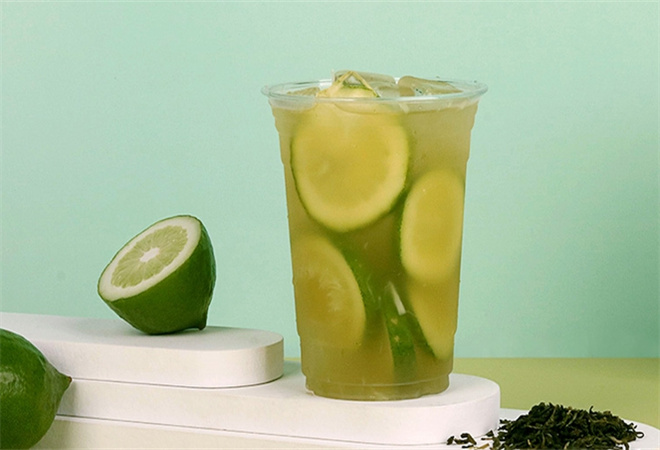
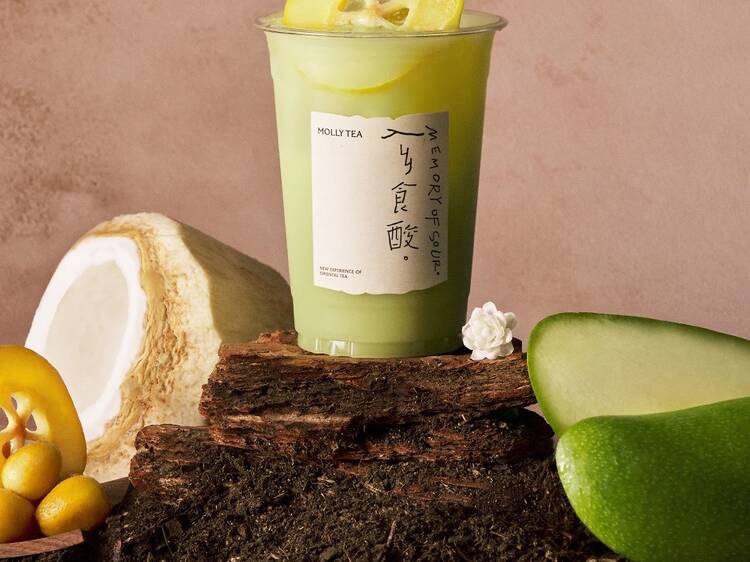
2. Handmade Lemon Tea
Origin: Hong Kong-style drink, adjusted to less sugar for Shenzhen taste.
Key Feature: Fresh lemon hand-beaten (releases aroma); black tea base (no artificial flavors).
Best Stall: "A Mei Lemon Tea" (near Lao Jie Subway Exit A).
Price: ¥12-18/cup.
Customization: 0-50% sugar, 0-100% ice.
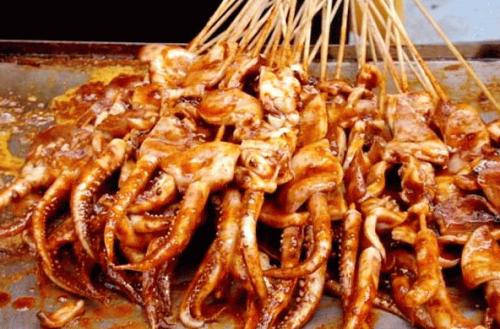
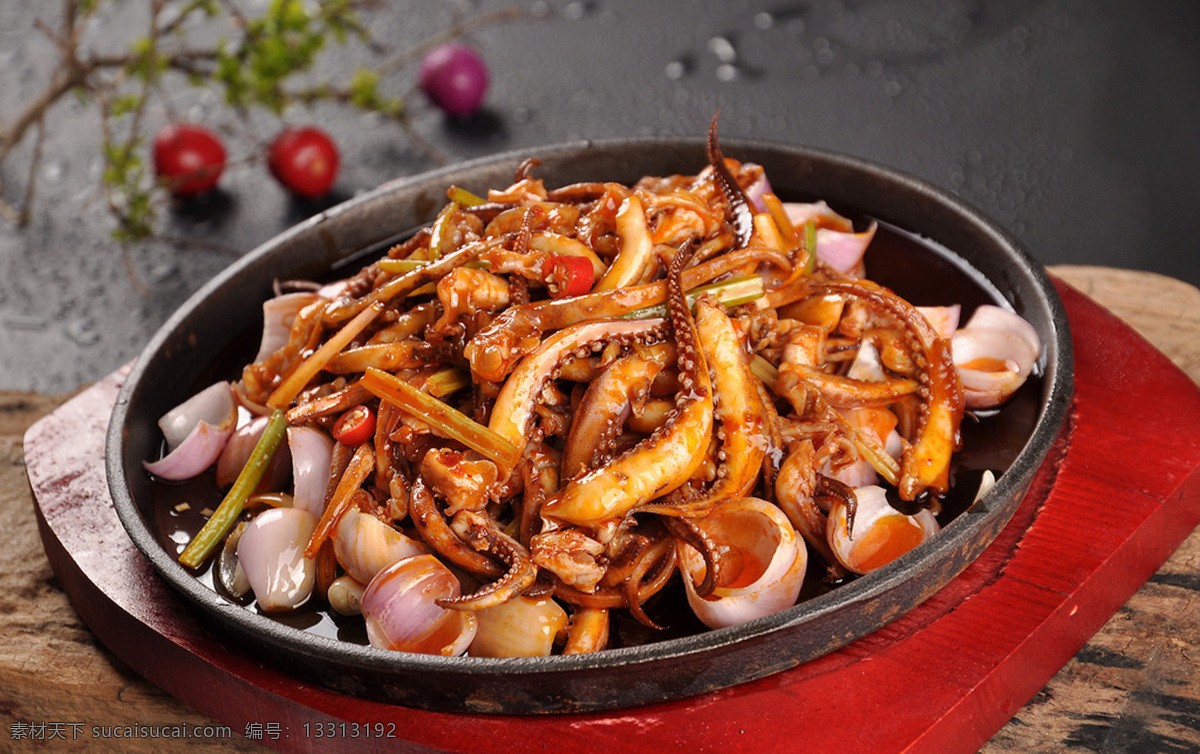
3. Iron Plate Squid Tentacles
Origin: Northeast China, localized with extra cumin and chili (Shenzhen’s spicy preference).
Texture: Chewy, charred edges, coated with savory-spicy sauce.
Best Stall: "Squid Brother" (Dongmen Night Market, near Lao Jie Subway Exit D).
Price: ¥15-20/portion.
Eating Tip: Ask for "extra crispy" (grill 30 seconds longer) for more texture.
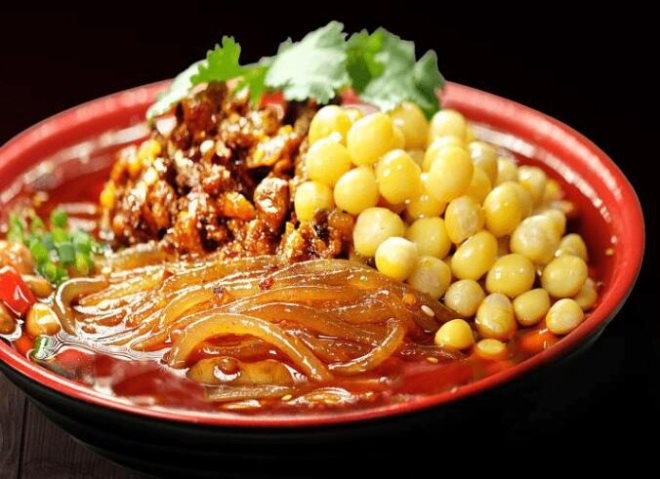
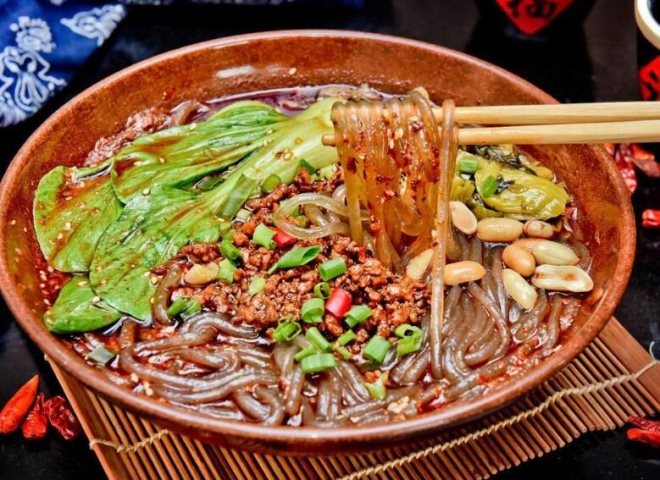
4. Sour & Spicy Vermicelli
Origin: Chongqing, localized with pickled mustard greens (Cantonese favorite).
Flavor: Sour, spicy, numbing (Sichuan pepper), savory.
Best Stall: "Bage Sour & Spicy Vermicelli" (alley next to Dongmen Cinema).
Price: ¥10-15/portion.
Shuiwei 1368 International Street
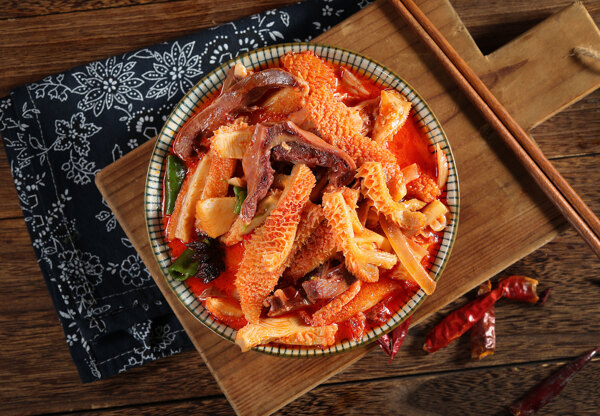
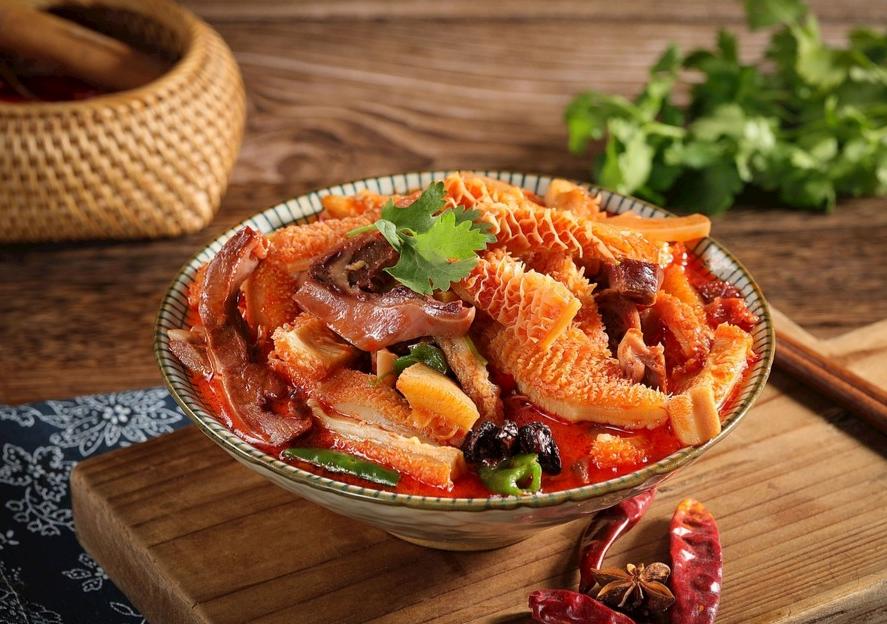
1. Spicy Beef Offal
Origin: Guangzhou, simmered with 10+ herbs (star anise, cinnamon).
Ingredients: Beef tripe, intestines, tendons, radish (simmer 2 hours).
Best Stall: "Uncle Wang’s Beef Offal" (No. 8 Shuiwei 1368 Street).
Price: ¥20-30/portion.
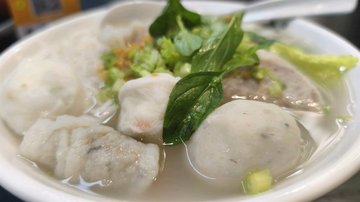
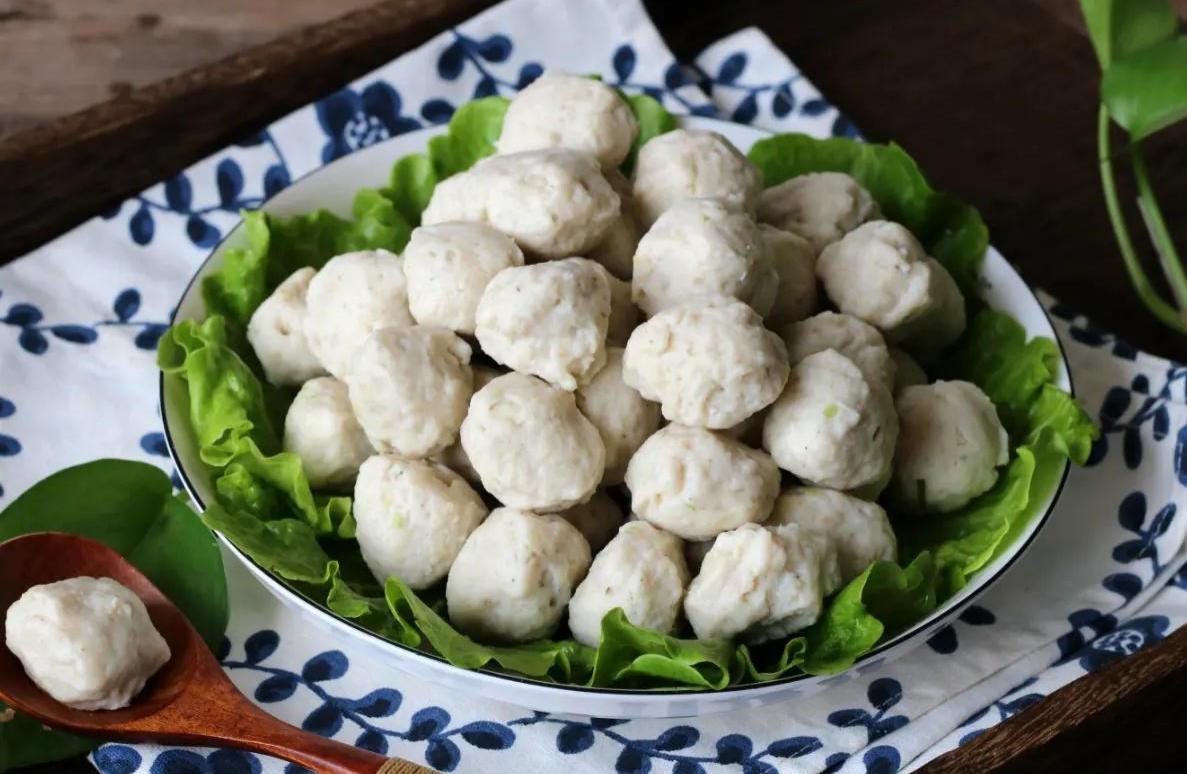
2. Handmade Fish Balls
Origin: Hong Kong, made with fresh cod fish paste (hand-beaten for 20 mins).
Texture: Springy, juicy, no fishy smell.
Best Stall: "Hong Kong Fish Ball Stand" (No. 15 Shuiwei 1368 Street).
Price: ¥10-15/6 piece.
Sauce Option: Curry sauce (classic) or sweet chili sauce.
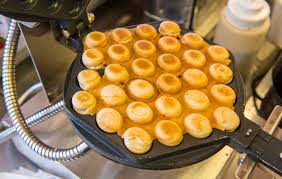
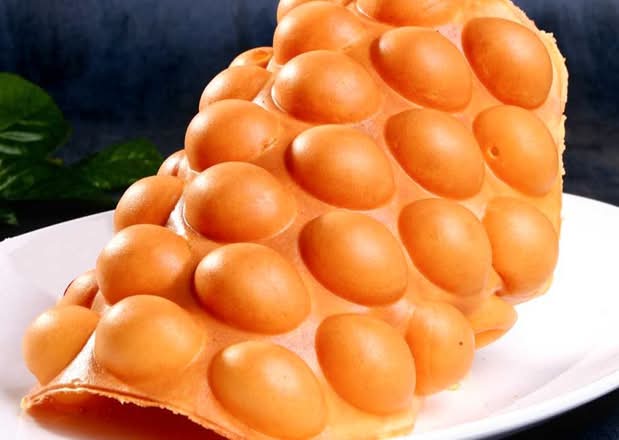
3. Hong Kong-Style Egg Waffle
Origin: Hong Kong, crispy outer layer, soft inner texture.
Flavor Variations: Original (buttery) | Chocolate chip | Matcha.
Best Stall: "Egg Waffle Master".
Price: ¥10-15/piece.
Eating Tip: Eat hot within 5 minutes to retain crispiness.
2. Nanshan District
Sea World Food Street
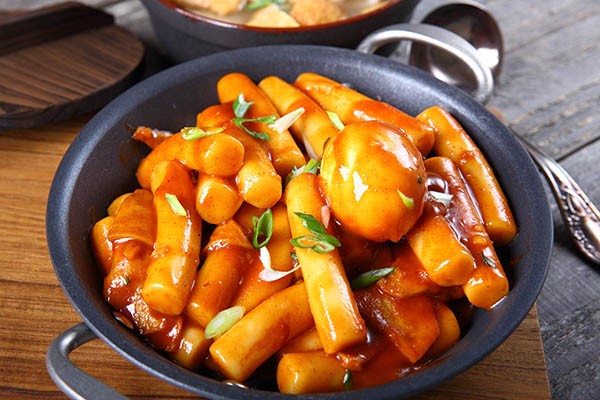
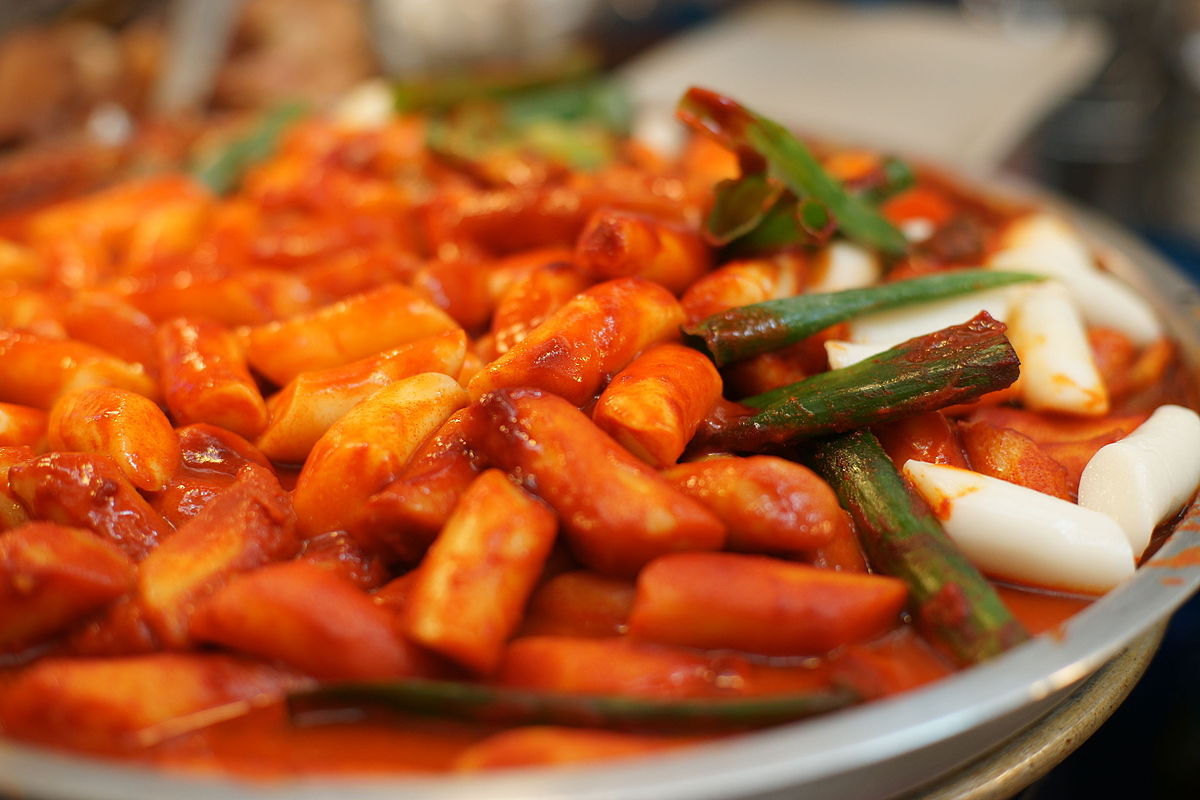
1. Korean Stir-Fried Rice Cakes
Origin: South Korea, localized with less sweetness and more garlic.
Texture: Chewy rice cakes, coated with spicy-savory sauce, served with fish cakes.
Best Stall: "Korean Snack House" (Seaside Promenade, next to Squid King).
Price: ¥20-25/portion.
Spicy Level: Mild (1 star) - Extra Spicy (4 stars).
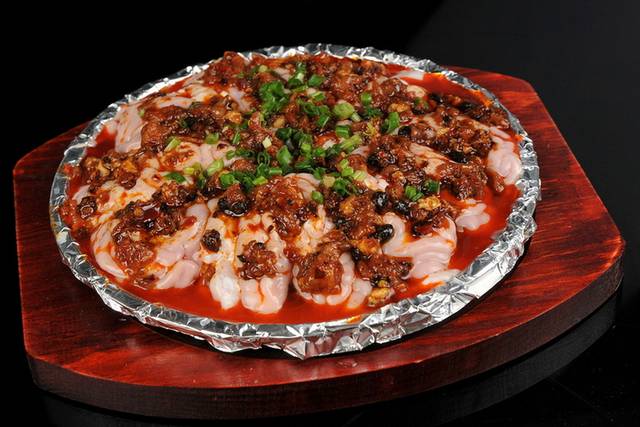
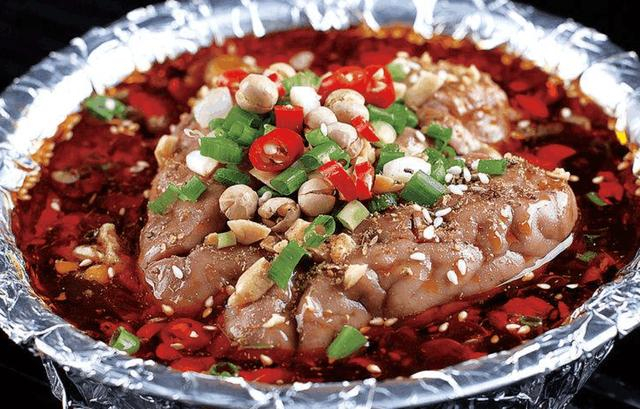
2. Grilled Pork Brain
Origin: Sichuan, marinated in chili sauce + garlic (reduced spiciness).
Texture: Silky, creamy, no fishy smell.
Best Stall: "Spicy Brain Flower" (Sea World Night Market).
Price: ¥18-25/portion.
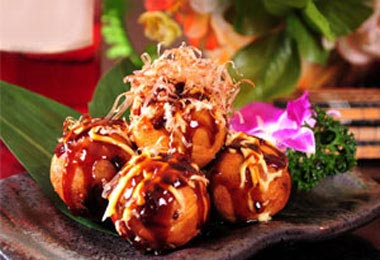
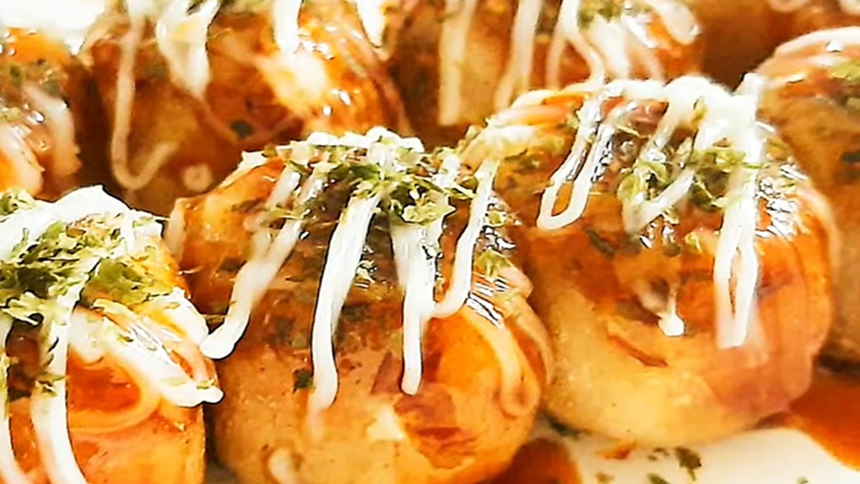
3. Octopus Balls
Origin: Japan, filled with fresh octopus chunks, cabbage, and tempura bits.
Flavor: Savory, topped with seaweed, bonito flakes, and okonomiyaki sauce.
Best Stall: "Octopus Ball House" (Sea World Night Market).
Price: ¥15-20/6 pieces.
Xili Night Market
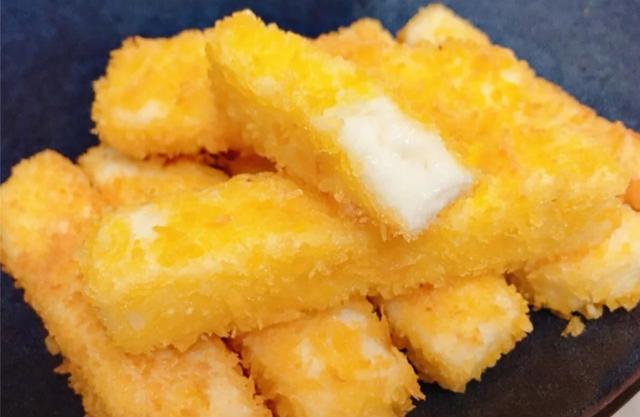
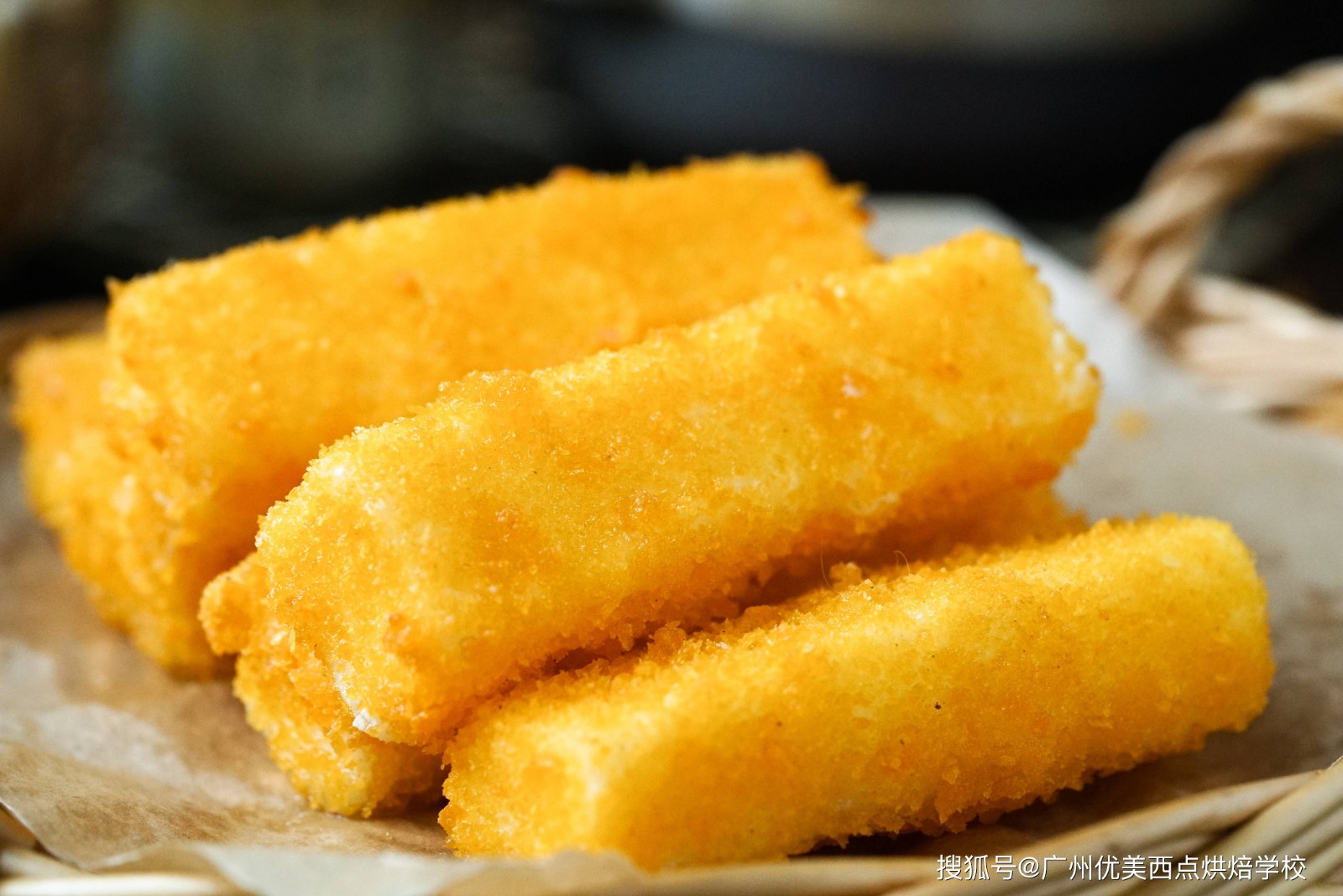
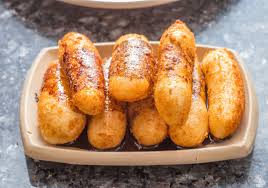
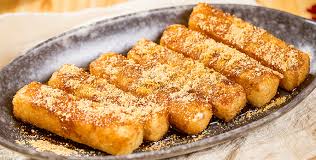
1. Fried Milk
Origin: Cantonese dessert, outer layer with breadcrumb + egg.
Texture: Crispy outer, creamy inner (fresh milk base).
Best Stall: "Auntie Chen’s Fried Milk" (Xili University Town).
Price: ¥10-15/portion.
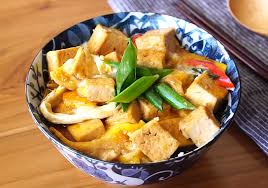
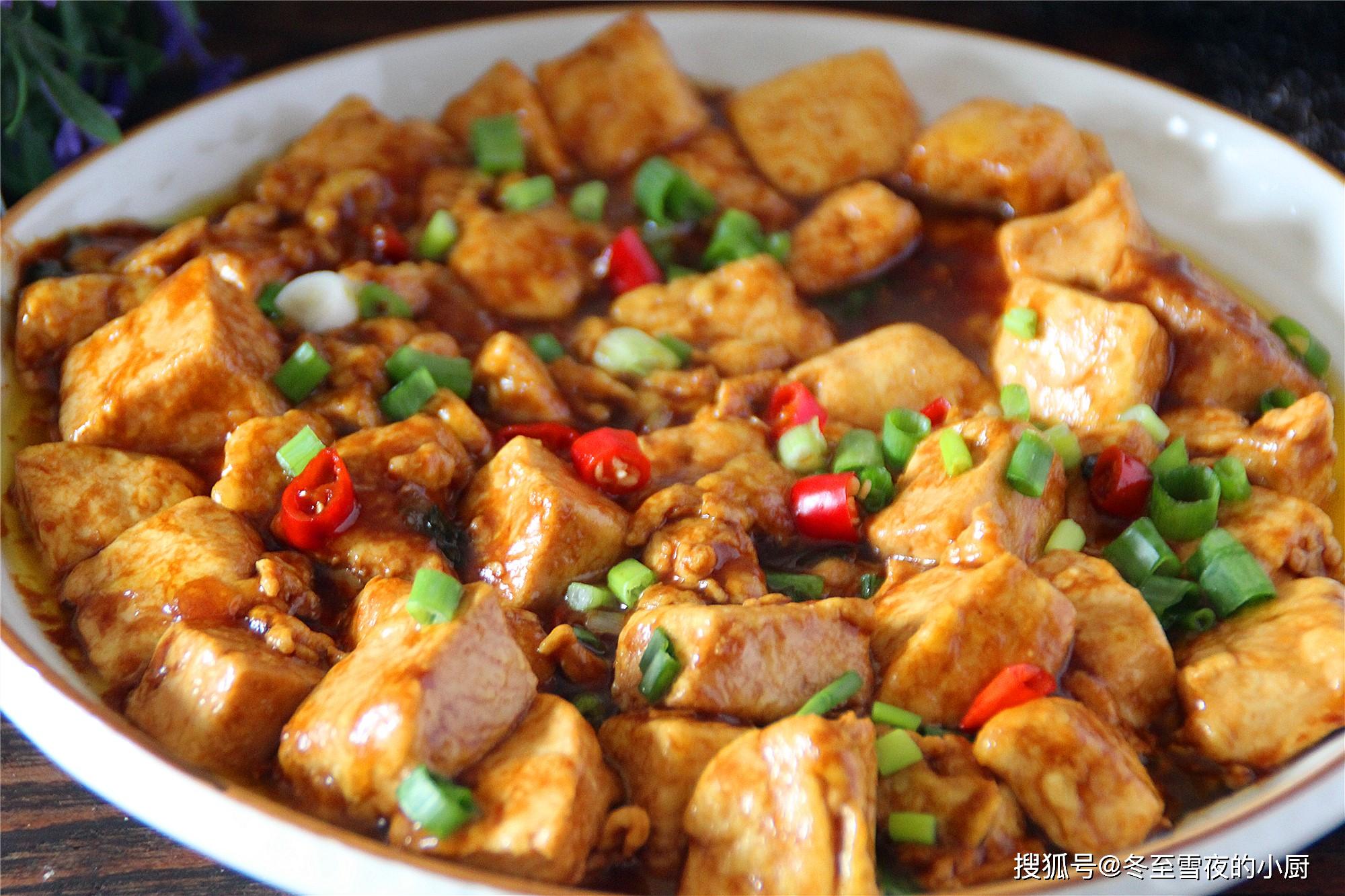
2. Braised Egg Tofu
Origin: Taiwan, tofu stuffed with egg yolk, braised in soy sauce.
Flavor: Savory, slightly sweet, tender tofu.
Best Stall: "Taiwan Snack Stand" (Xili Night Market).
Price: ¥12-18/portion.
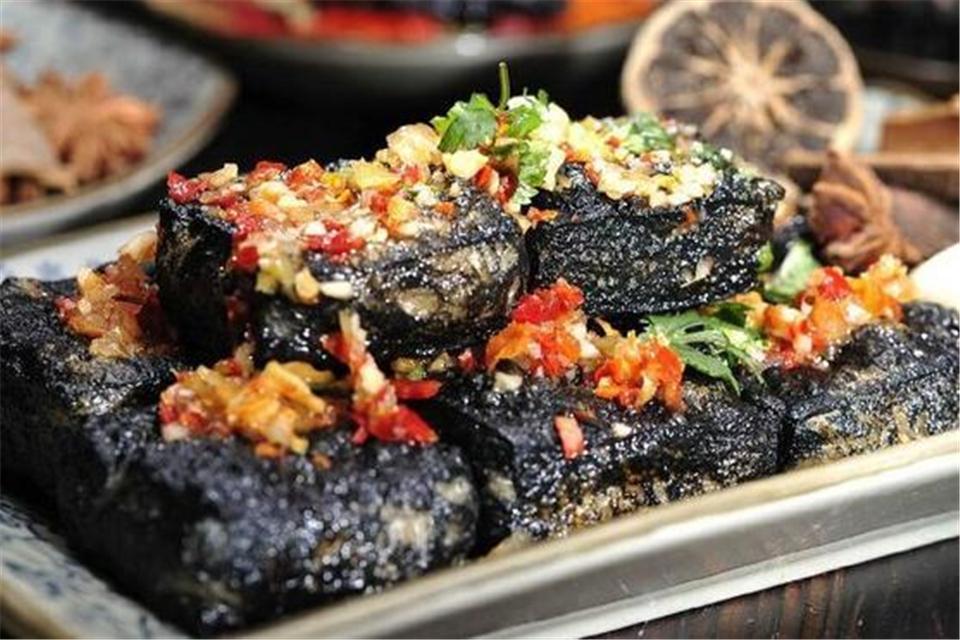
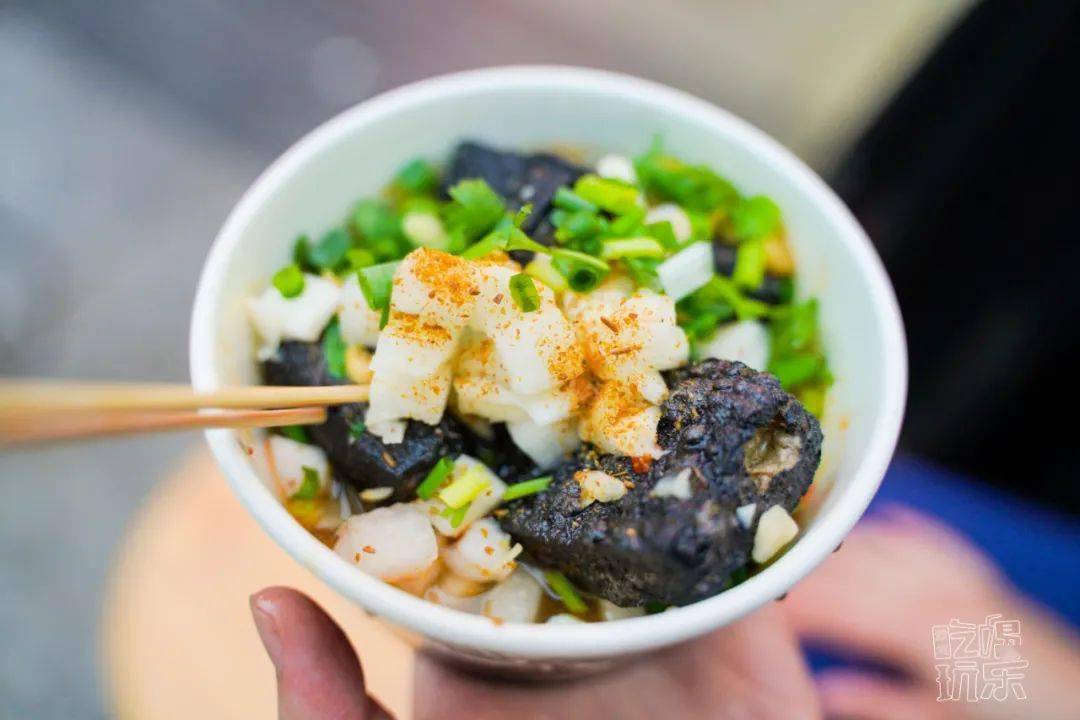
3. Changsha Stinky Tofu
Origin: Changsha, Hunan, fermented for 3 days (reduced pungency for locals).
Texture: Crispy outer skin, tender inner tofu, served with chili sauce and pickled mustard.
Best Stall: "Stinky Tofu Queen" (Xili University Town Night Market).
Price: ¥10-15/8 pieces.
Eating Tip: Pair with iced lemon tea to cut greasiness.
4. Glutinous Rice Cakes with Brown Sugar
Origin: Sichuan, fried glutinous rice cakes tossed with brown sugar syrup and peanut crumbs.
Texture: Crispy outer, chewy inner, sweet and fragrant.
Best Stall: "Grandma’s Glutinous Rice Cake" (Xili Night Market Entrance).
Price: ¥8-12/portion.
3. Bao’an District
Shajing Oyster Night Market
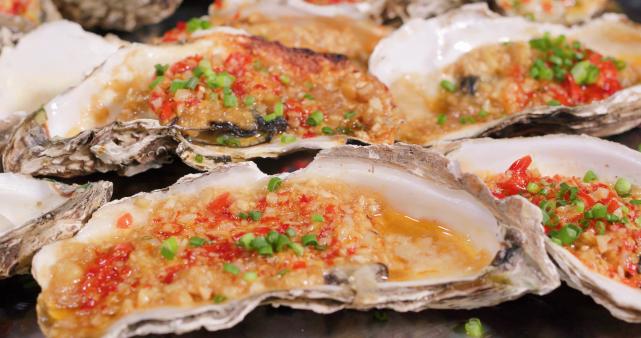
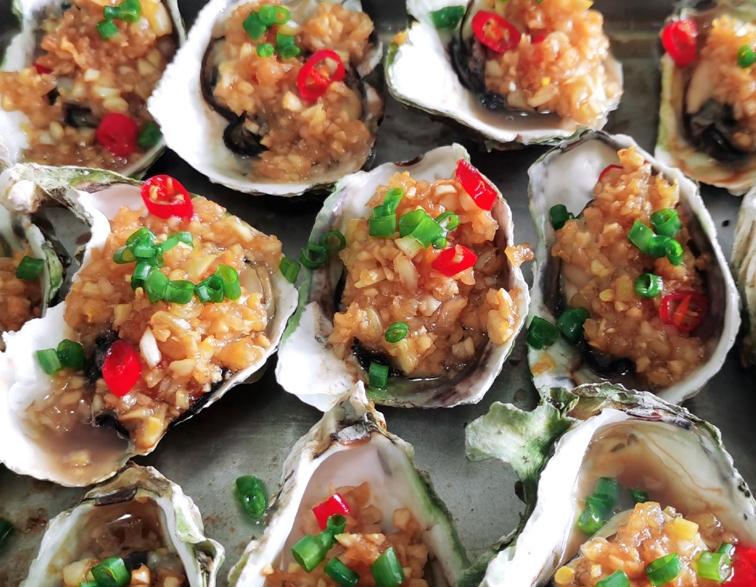
1. Garlic-Grilled Oysters
Feature:6 oysters/portion, topped with minced garlic + chili + scallion.
Best Stall:"Shajing Native Oyster Stand" (Oyster Town Entrance).
Price: ¥30-40/6 pieces.
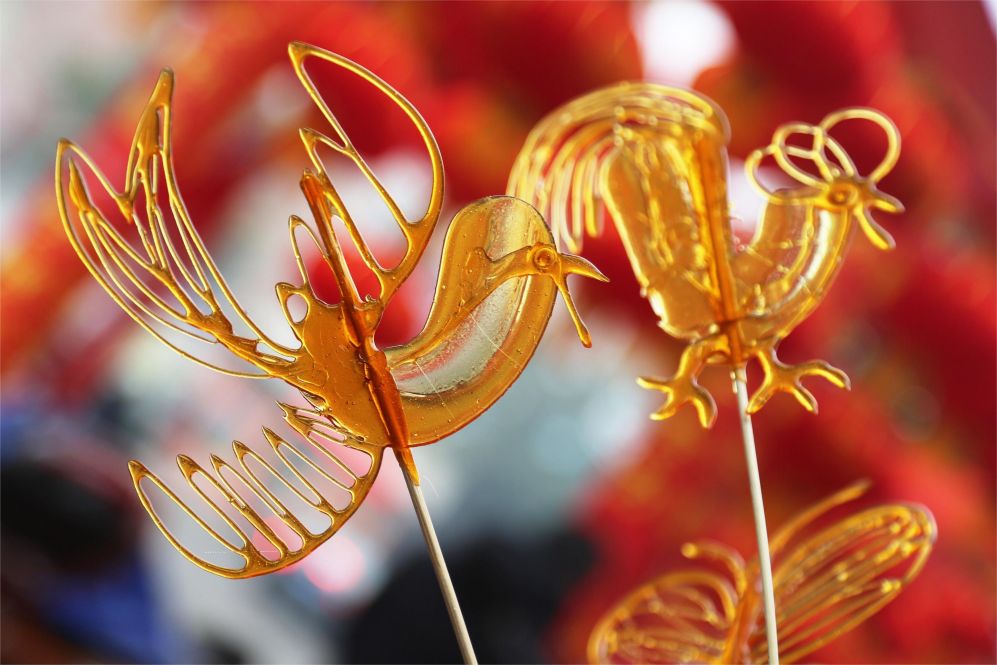
2. Sugar Painting
Origin: Traditional folk art, melted brown sugar painted into patterns (dragon, flower).
Experience: Custom pattern (e.g., zodiac sign) – edible art.
Best Stall: "Grandpa Li’s Sugar Painting" (Shajing Night Market).
Price: ¥10-20/piece.

4. Dapeng New District
Nan’ao Seafood Night Market
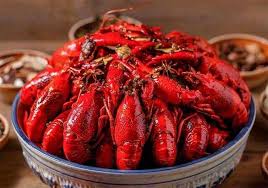
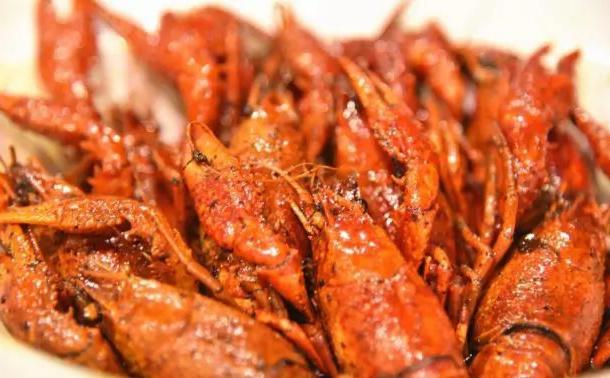
1. Grilled Lobster
Freshness: Caught the same day, grilled with garlic + butter.
Size: Small (500g) – affordable; large (1kg) – shareable.
Best Stall: "Fisherman’s Seafood Grill" (Nan’ao Wharf).
Price: ¥80-100/500g.
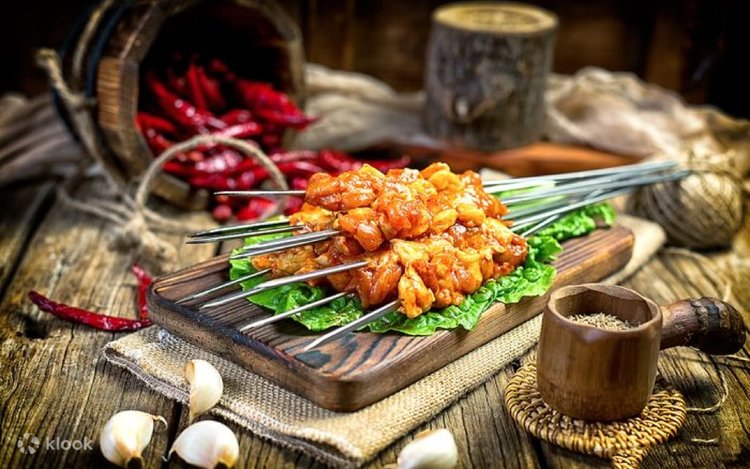
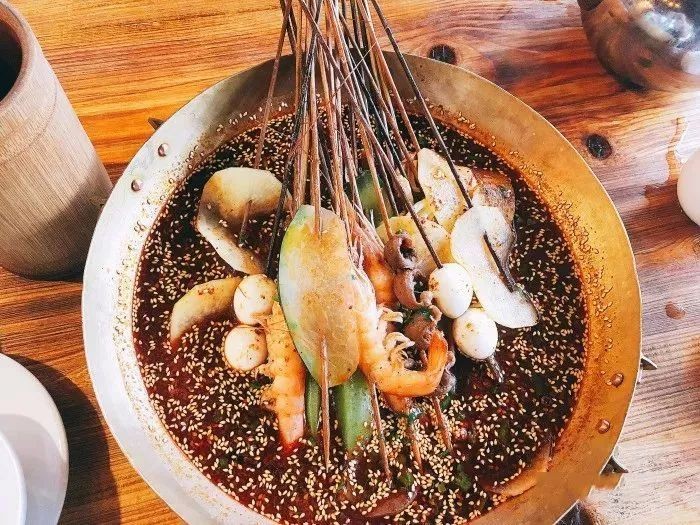
2. Seafood Skewers
Ingredients: Shrimp, scallop, squid, fish fillet (marinated in five-spice).
Flavor: Grilled with cumin + salt, retains seafood umami.
Best Stall: "Seafood Skewer Stand" (Nan’ao Seafood Street).
Price: ¥10-15/skewer.
Late-Night Eats (22:00-02:00)
Futian: "Midnight Noodle Shop" (Futian CBD) – Braised Beef Noodle (¥25-35), open 24h.
Nanshan: "Late-Night BBQ" (Nanshan Science Park) – Grilled Pork Ribs + Beer (¥60-80/set).
Bao’an: "Midnight Seafood Stall" (Xixiang) – White-Boiled Shrimp + Ginger-Scallion Sauce (¥30-40).
Street Food Etiquette & Pro Tips
1. Etiquette Rules
· Queue Patiently: Popular stalls often have long lines—cutting in line is considered rude.
· Payment Methods: Small stalls prefer WeChat Pay/Alipay; carry cash for elderly vendors (some don’t use mobile payment).
· Eat On-Site: Most street food is best enjoyed fresh—squat on plastic stools (local tradition) for an authentic experience.
· Waste Less: Order portions based on your appetite; street food portions are usually generous.
2. Pro Tips
· Avoid Tourist Traps: Skip stalls with English-only menus or aggressive touts—authentic spots have Chinese menus and local crowds.
· Peak Hours: Night markets are busiest 19:00-22:00; visit after 22:00 for shorter lines.
· Spice Customization: Most spicy snacks can be adjusted—ask for "less spicy" or "no spicy" if you’re sensitive to heat.
Vegan & Halal Options: Inclusive Flavors
Shenzhen caters to diverse dietary needs with dedicated vegan and halal restaurants, ensuring everyone can enjoy local flavors.
1. Vegan Restaurants
| Restaurant Name | District | Address | Core Features | Price Range | Business Hours | Remarks |
| Qingchun Pumen | Nanshan District | 3rd Floor, Block B, Shenzhen Bay MixC | Integrates Jiangnan dim sum, Western desserts and Southeast Asian flavors with open kitchen; signature Black Truffle Fried Rice (Shenzhen's No.1 ranked fried rice) | ¥80-150 per person | 10:30-21:00 | Chain restaurant brand, no reservation required, some dishes can be made vegan. |
| One Leaf One World Hot Pot | Futian District | Room 401, Building C, Yingdali Technology Digital Park, No. 8 Hongmian Road, Fubao Community. | Tibetan tea vegetarian hot pot, featuring wild mushrooms and rare plant ingredients (bamboo fungus egg slices, firecracker sprouts); secret dipping sauce | ¥120-180 per person | 10:00-22:00 | Individual hot pots are available, suitable for those who prefer mild flavors, and the spiciness level can be customized. |
| Heshan Xisu | Nanshan District | Heshan Xisu Vegetarian Restaurant, Ground Floor, Building A, Qiaochengfang Commercial Complex, Qiaoxiang Road. | Four-season themed art space, adhering to "three reductions" (less salt, oil and sugar); creative dishes with ecological ingredients | ¥100-200 per person | 11:00-14:00, 17:00-21:00 | Vegetarian banquets can be arranged; private rooms require advance reservation. |
| Grandma Zheng's Vegetarian Canteen | Futian District | Huaqiang Garden, Building A, No. 4 Fuhong Road, Fuhua Community | Vegan bento without five pungent herbs, home-style taste; signature Nongxin Dongpo Bento, Salt and Pepper Bean Balls | ¥30-60 per person | 11:00-14:00, 17:00-20:00 | Rice is refillable, and a healthy soup is included. |
| Wawu Vegetarian Cuisine | Nanshan District | Changhong Technology Building, 1st Floor, Science and Technology Park | Landscape courtyard setting, seasonal menu; signature Dendrobium Flower Soup, Homemade Tofu | ¥150-250 per person | 11:00-22:30 | High-end vegetarian cuisine, with a strong sense of occasion, suitable for business dinners. |
2. Halal Restaurants
| Restaurant Name | District | Address | Core Features | Price Range | Business Hours | Remarks |
| Halal Jeremiah Western Region Theme Restaurant | Luohu District | Yelimiya Restaurant, located on the ground floor of Liancheng United Building at the intersection of Chunfeng Road and Wenjin South Road (next to Wenjin Metro Station). | Western Region style decoration, authentic Xinjiang cuisine; signature Hand-Grabbed Lamb, Big Plate Chicken | ¥80-150 per person | 10:00-14:00, 17:00-22:30 | Halal certified, private rooms available, mobile payment accepted. |
| 1001 Western Regions Halal Restaurant & Music Gathering Place (Coastal City Branch) | Nanshan District | Room 501-8, 5th Floor, Coastal City Shopping Center, 33 Wenxin 5th Road, Yuehai Street (above Coastal City Cinema) | Authentic Western Chinese cuisine, offering great value for money. | ¥150-200 per person | 10:30-14:00, 17:00-22:00 | Private rooms are available for booking. |
| Asa Middle Eastern Cuisine·Halal | Baoan District | BL302, 3rd Floor, Building B, Huaide MixC, 39 Fuyong Avenue, Shenzhen (near Huaide Metro Station Exit D) | Shenzhen's first store, authentic Middle Eastern flavors; signature Grilled Lamb Chops, Lebanese Salad | ¥100-180 per person | 10:00-22:00 | Halal certified, exotic ambiance, reservations required in advance. |
| DOORS Turkish Halal Restaurant | Nanshan District | Building 2, Area A, Stern of the Ship Plaza, Industrial Road 2, Shekou (opposite the main entrance of the VIVO mobile phone store, near Exit A of Sea World Metro Station) | Turkish specialty halal cuisine; signature Grilled Meat Platter, Turkish Flatbread | ¥90-160 per person | 12:00-23:00 | Free black tea is provided, and the doneness of the grilled meat can be customized. |
| Northwest Sheep Leader Halal Restaurant | Futian District | Building 1, Apartments 108-115, Jinfeng Garden, Meilin Road (next to the mosque, 20 meters diagonally opposite Exit C of Maziling Station on Line 9) | Northwest style halal cuisine, focusing on beef and mutton; signature Braised Lamb Soup, Red Willow Skewers | ¥60-120 per person | 11:00-02:00 | The meat is fresh, and the portions are generous, making it perfect for group meals. |
Seasonal & Festival Foods: Time-Sensitive Delights
Shenzhen’s food is tied to seasons and festivals—don’t miss these time-sensitive bites.
1. Seasonal Specialties
Spring (Mar–May): Chrysanthemum Cake (sweet floral flavor), Steamed Asparagus with Shrimp (light and springy). Best spot: Local teahouses.
Summer (Jun–Aug): Nanshan Lychee (juicy and sweet), Hainanese Chicken Rice (cooling), Water Chestnut Cake (refreshing). Best spot: Nanshan Lychee Orchards (pick-your-own, ¥30/kg).
Autumn (Sep–Nov): Braised Pork Ribs with Lotus Root Soup (moisturizes lungs), Chestnut Cake (nutty sweet). Best spot: Hakka restaurants.
Winter (Dec–Feb): Lamb Hot Pot (spicy warming), Dried Oyster Clay Pot Rice (rich comforting). Best spot: Northern Chinese restaurants.
2. Festival Foods
| Festival | Traditional Food | Cultural Meaning | Best Spot |
| Spring Festival (Jan/Feb) | Big Basin Meal, Rice Cake, Dumplings | Reunion, prosperity, wealth | Xiasha Village Restaurant (pre-order) |
| Dragon Boat Festival (Jun) | Sea Urchin Zongzi, Meat Zongzi | Honor Qu Yuan | Nan’ao Seafood Street |
| Mid-Autumn Festival (Sep) | Lotus Paste Mooncake, Snow Skin Mooncake | Family reunion | Guangzhou Restaurant (chain) |
| Winter Solstice (Dec) | Tang Yuan, Braised Beef Brisket | "Winter Solstice is as important as Spring Festival" | Local Tang Shui Shops |
3. Shenzhen Food Festivals
| Festival Name | Date | Location | Key Features |
| Shajing Oyster Festival | Nov 2025 | Shajing Oyster Town | Oyster cooking competitions, free tastings |
| Nan’ao Seafood Festival | Jul 2025 | Nan’ao Seafood Street | Fresh seafood stalls, seafood BBQ parties |
| Shenzhen Vegetarian Festival | Sep 2025 | MixC World, Bao’an | Vegan food samples, healthy eating workshops |
Practical Guide: Eat Like a Local
1. Restaurant Price Ranges
Budget (¥30–60/person): Street stalls, small eateries (e.g., pork trotter rice shops, Chaoshan beef noodle shops). Suitable for solo travelers and daily meals.
Mid-Range (¥80–150/person): Chain restaurants, teahouses, seafood eateries (e.g., Tim Ho Wan, Yuanzheng Coconut Chicken). Suitable for friends and small families.
High-End (¥200+/person): Luxury Cantonese restaurants, international fine dining (e.g., Guangzhou Restaurant main branch, Sushi Hiro). Suitable for business dinners and special occasions.
2. Transportation to Key Food Spots
| Food Spot | Subway & Station | Walking Time |
| Dongmen Food Street | Line 1, Lao Jie Station | 5 mins |
| Huangsha Seafood Market | Line 10, Dongsha Station | 8 mins |
| Guangming Guest House | Line 6, Guangming Station + Taxi | 10 mins (taxi) |
| Dapeng Ancient City | Line 3, Longgang Square Station + Bus 833 | 40 mins (bus) |
Avoid Tourist Traps
· Red Flags: English-only menus (no local customers), aggressive touts, overpriced seafood (e.g., ¥100+ for small shrimp), "famous" signs with no local reviews.
· Authentic Clues: Long lines of locals (elderly/office workers), plastic stools/simple decor, cash/WeChat/Alipay only, Chinese-only menus.
3. Souvenirs to Bring Home
· Food Souvenirs: Vacuum-packed Guangming Pigeon, Dried Shajing Oysters, Yunpian Cake, Frozen Nan’ao Sea Urchin Zongzi. Buy at major supermarkets or Bao’an Old Market.
· Condiments: Chaoshan Sand Tea Sauce, Cantonese Char Siu Sauce, Shenzhen Chili Oil. Buy at local markets or online (Taobao/JD.com).
· Tea & Coffee: Dapeng Yunwu Tea, Yunnan Coffee Beans (local roast). Buy at Dapeng Ancient City tea shops or Jingtian Coffee Street.
Why Shenzhen’s Food Stands Out
Shenzhen’s food is a mirror of the city’s spirit—open, innovative, and inclusive. It honors tradition (Shajing oysters, Guangming pigeon) while embracing change (coconut chicken, fusion dim sum). Whether you’re squatting on a plastic stool eating street food or dining in a sky-high restaurant, you’re tasting the story of a city that never stops evolving.
Shenzhen Food Guide Recommended by Your Way Holiday
We will provide a private & spacious car and a local professional tour guide with over 5 years guiding experience only work for you or your group. You will be escorted during your tour. Transport, ticket, and dining (At some local restaurants popular with locals) all we will arrange for you according your requirements. Please check our most popular Shenzhen Tours:
 An Elegant 4-Day Tour of Guangzhou and Shenzhen: City Tours from Hong Kong with Rich History & Culture
 Indulge in the Best of Shenzhen: A Luxurious 2-Day City Tour Through Culture, Art, and Modern Wonders
Are the above sample tour programs not suitable for you? We have more Shenzhen tours. Our tours can be tailor-made based on your requirements and budget to create unique Shanghai experiences that allow you to interact with the local people and culture. Our enthusiastic tour expert will promptly reply you in details within 24 hours.
Prev: Shenzhen Shopping Tour: Discover the Best Shopping Spots in Shenzhen
Next: Explore Guangzhou Factory Tours: A Deep Dive into China’s Manufacturing Hub
Wechat: YourWayHolidayAsia
24 Hours Hotline:
+86 137-3541-1378
* Authentic Experiences: Genuine local experiences that immerse you in the true essence of Shanghai and beyond.
* Safety First: Highest safety standards with secure activities and reliable transportation.
* Customizable Tours: Flexible itineraries tailored to your interests and needs.
* Local Expertise: In-depth knowledge of Shanghai and China, offering exclusive insights.
* Professional Guides: Licensed bilingual guides with over 5 years of experience.
* Comfortable Travel: Experienced drivers and well-maintained vehicles for a smooth journey.
* Sustainable Tourism: Commitment to responsible tourism and supporting local communities.
* Customer-Focused: Personalized service and continuous improvement based on your feedback.
* Free Cancellation: Cancel up to 24 hours before travel for flexibility and peace of mind.
* 24/7 Support: Round-the-clock assistance for any questions or help needed.
1 to 1 tailor-made service from our professional travel advisors for the most sophisticated
Constantly excellent reviews for attraction, hotel and service Competitive price
Local experts provide quality tours Best selected knowledgeable local guides Authentic local restaurants
7*24 hours available to create you a worry-free tour. No Hidden Fees and absolutely no pressure to buy. Secured